Recent fossil findings have opened new doors into the lives of ancient sharks, creatures that swam the world's waters millions of years ago. These discoveries challenge old ideas about shark size, appearance, and family ties, bringing fresh insights to long-standing questions. From huge ocean hunters to hidden cave dwellers, these ancient animals continue to surprise scientists. The study of their remains helps us better understand Earth's past oceans and the big life that called them home. These new pieces of evidence make the picture of early shark life much clearer, yet some questions still remain about these mysterious animals.
Detailed Context of Recent Finds
The study of ancient sharks often relies on small fossil pieces, mostly teeth, because their soft skeletons rarely last over time. This has left many gaps in our knowledge. However, new, more complete fossil finds are now filling these gaps.
Read More: Indigenous Data Rights Now Key in Conservation Genomics
April 24, 2024: Scientists reported finding many full skeletons of a shark called Ptychodus in Mexico. Before this, Ptychodus was known only from bone pieces.
December 27, 2025: A prehistoric shark named Akmonistion zangerli, found in Scotland, was remembered through plans for a sculpture.
November 24, 2025 (reported Jan 10, 2026): Fossils from northern Australia revealed a giant ancient shark, showing that huge sharks lived much earlier than once thought.
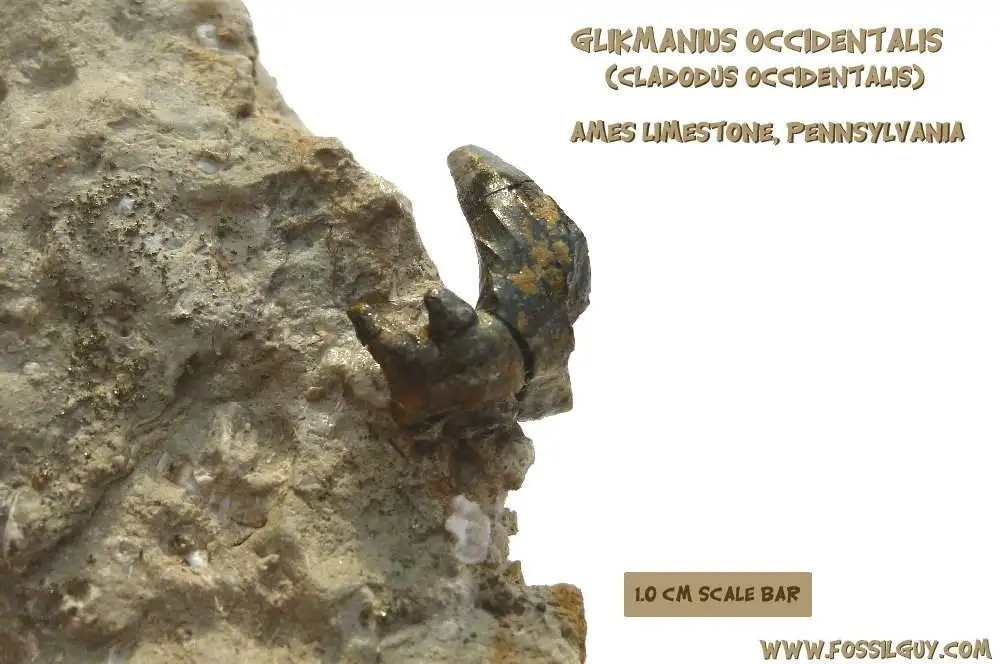
December 31, 2025: Two new types of ancient sharks, Troglocladodus trimblei and Glikmanius careforum, were identified in the vast Mammoth Cave system in Kentucky, USA.
June 13, 2023: Professor Kenshu Shimada emphasized how important shark teeth are for learning about these ancient animals, especially for a group called lamniforms.
March 1, 2013: The mystery of the strange spiral teeth of Helicoprion was made clearer, showing how its teeth worked inside its mouth.
Fossil Evidence Uncovered
New finds provide strong evidence, helping scientists to understand shark history better.
"Now, complete fossils reveal its body shape and hunting habits… Now, scientists have the pieces they were missing." (Smithsonianmag, April 24, 2024)
"Among them was a complete specimen revealing a side view of Ptychodus, containing not only almost all its skeletal elements but also teeth, preserved muscle remains and a body outline complete with all its fins." (The Guardian, April 24, 2024)
Ptychodus Fossils: Discovered in northeastern Mexico, these fossils include full skeletons. This means scientists can now see its body shape, fins, muscle remains, and how its unique grinding teeth worked. The largest found measured 33 feet long.
Australian Giant Shark: Vertebrae found in northern Australia measured over 12 cm wide, much larger than the 8 cm vertebrae of today's adult Great White sharks. This suggests an early modern shark reached a very large size.
Mammoth Cave Sharks: The remains of Troglocladodus trimblei and Glikmanius careforum, from a group called ctenacanth sharks, were found deep within the cave system, adding two new species to a list of over 70 ancient fish found there.
Helicoprion Teeth: The spiral tooth whorl of Helicoprion was understood to sit fully within the shark's lower jaw, used for slicing soft-bodied prey.
Akmonistion zangerli: A one-meter-long shark fossil found in Bearsden, Scotland, helped local enthusiasts preserve its memory.
The complete skeletons of Ptychodus in Mexico and giant shark vertebrae in Australia changed old ideas about shark size and shape.The cave finds in Kentucky and Scotland show sharks lived in many different places, even far from the open ocean.The Helicoprion discovery explains how a unique tooth structure worked for hunting.
Deep Dives into Ancient Shark Puzzles
The True Face of Ptychodus: A Giant Revealed
For a long time, the ancient shark Ptychodus was a mystery. Scientists mostly had its teeth. These teeth were good for grinding hard shells, suggesting a diet of tough prey. However, its body shape and family links were unclear.
New finds in Mexico changed this view.
The fossils show Ptychodus could grow very big, up to 33 feet long.
Its body shape and fins suggest it was a relative of modern mackerel sharks, a group that includes today's Great White shark.
This new data helps scientists place Ptychodus correctly on the shark family tree, which was hard to do before.
The details like preserved muscles and body outlines give a full picture, showing it was not just a tooth-filled jaw, but a large, well-adapted hunter.
Could the detailed skeletal and muscle preservation reveal more about its movement and hunting strategies beyond just its diet?
Rewriting the Timeline of Giant Sharks
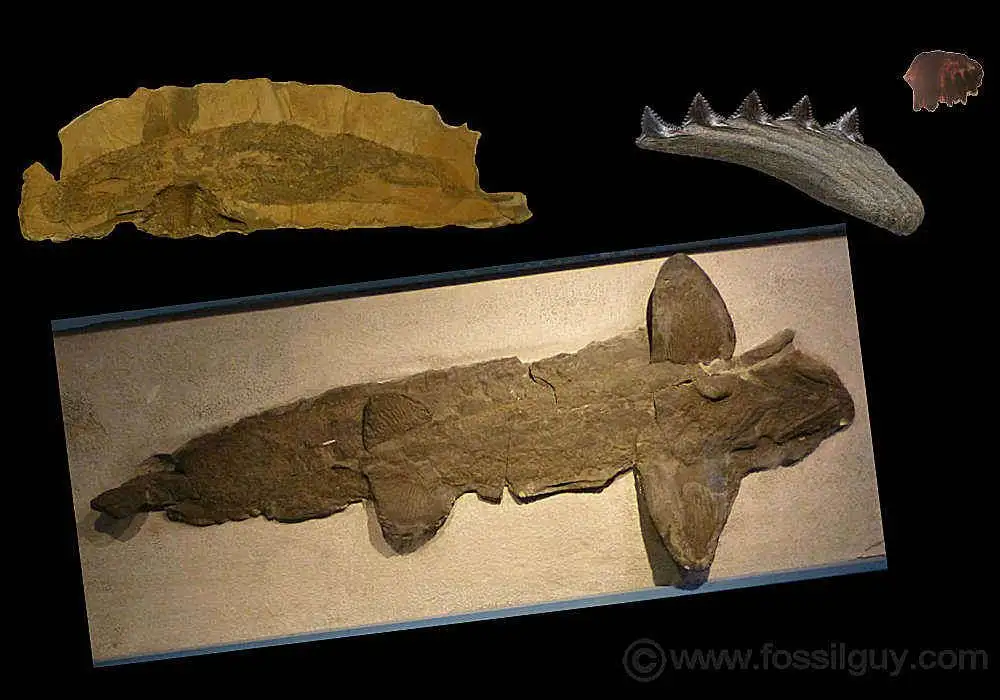
Scientists once thought that modern types of huge sharks appeared later in history. New discoveries are now pushing this timeline back much further.
Read More: Summer Solstice Approaches: Northern Hemisphere Gets Longer Days
Fossils from northern Australia show that some ancient sharks were very large during the time of dinosaurs.
The vertebrae of this ancient shark are much larger than those of modern Great White sharks.
This suggests that shark family lines achieved gigantic sizes much earlier than scientists previously believed.
This challenges the idea that modern shark groups became very big only later in their evolution.
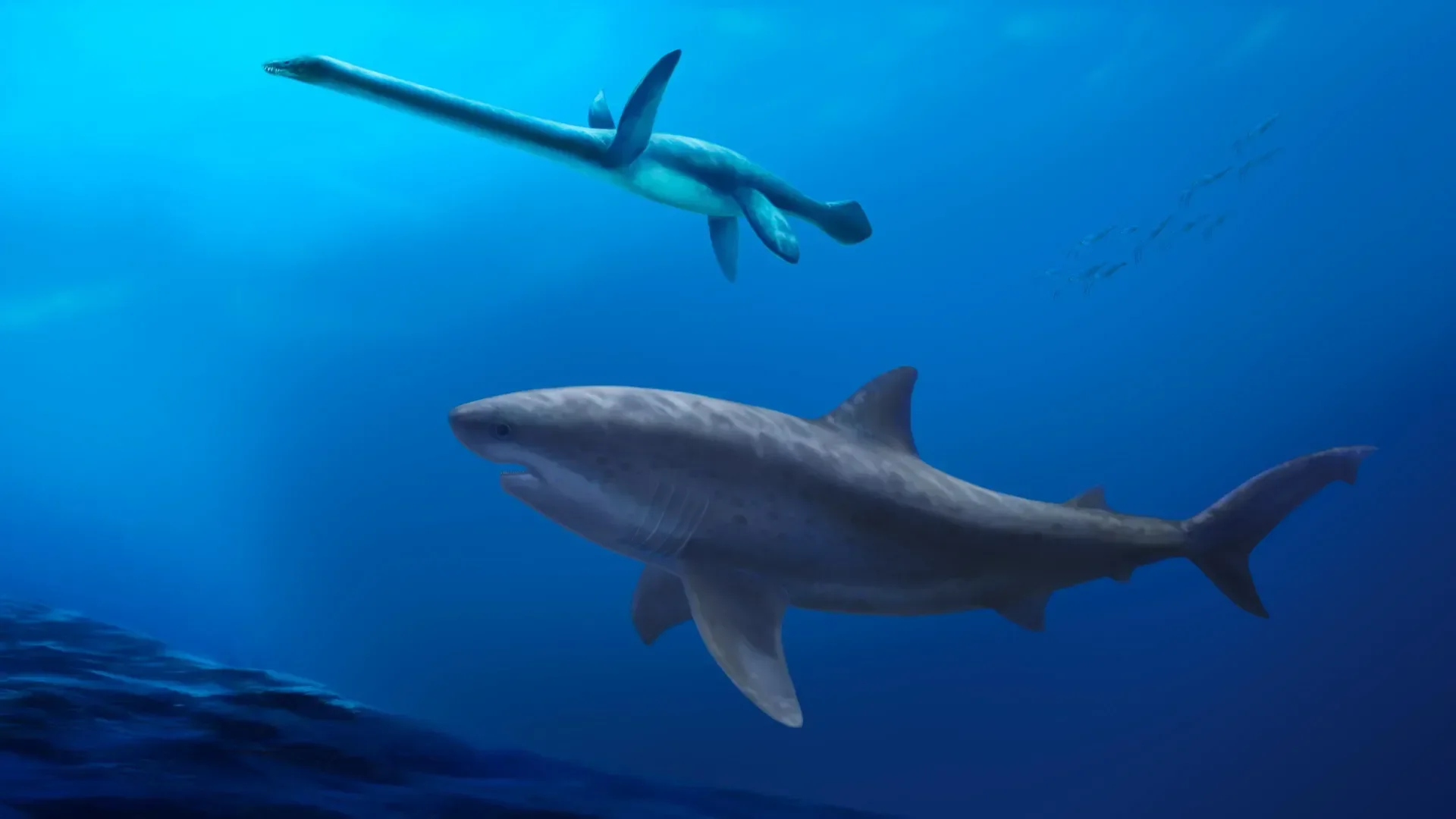
The findings imply that these large ancient sharks competed with marine reptiles for food and space in the old oceans.
Did these early giant sharks influence the evolution of other large ocean animals in unexpected ways?
Sharks in Unexpected Places: Caves and Inland Finds
Most shark fossils are found near old ocean beds. However, recent finds show that sharks also lived in unusual places, like deep cave systems.
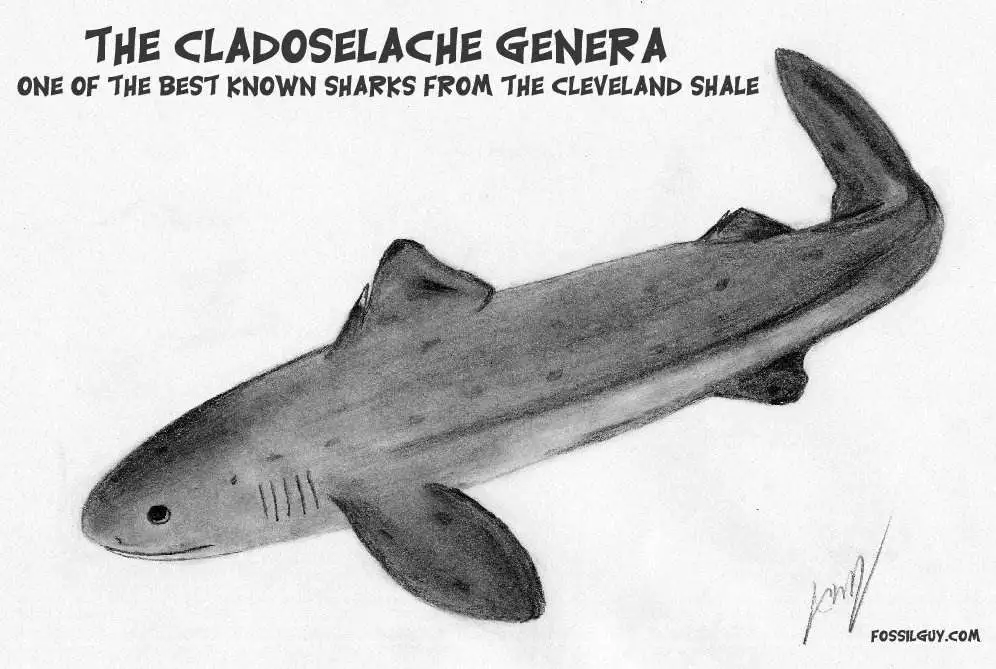
In Mammoth Cave, Kentucky, new species of sharks have been found, showing that this vast underground world held a diverse range of ancient fish.
This highlights that even well-known areas can still hold big surprises for scientists.
Another ancient shark, Akmonistion zangerli, was found in a suburban town in Scotland.
This find in Bearsden reminds us that ancient ocean life can be discovered far from today's coastlines.
These finds raise questions about how these environments were connected to the wider ocean and what unique features these sharks developed in such places.
What specific conditions allowed these sharks to live in cave systems, and what did they eat in these dark worlds?
The Importance of Shark Teeth and Rare Skeletons
Sharks have skeletons made of cartilage, not hard bone. This material breaks down easily over time. Because of this, full shark body fossils are very rare.
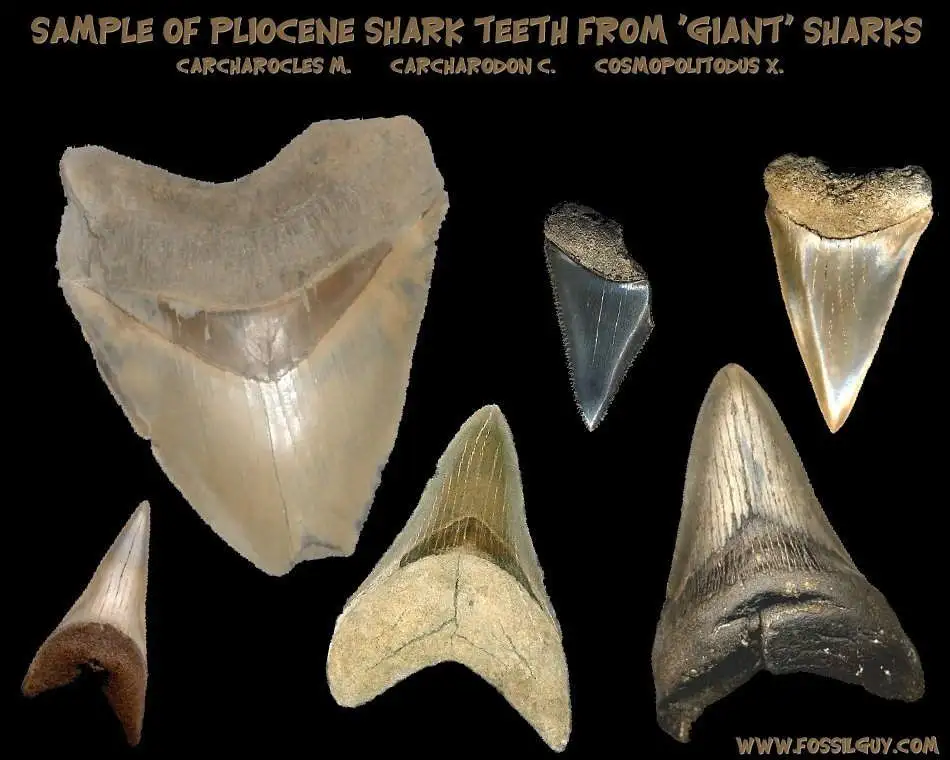
Most of what we know about ancient sharks comes from their teeth, which are harder and fossilize well.
Professor Kenshu Shimada focuses on shark teeth to understand their history, especially for lamniform sharks.
The unique spiral tooth whorl of Helicoprion shows how specialized teeth could be, even when the rest of the body is unknown. Its single, curving row of teeth was inside its lower jaw, not sticking out.
The few full skeletons found, like the Ptychodus in Mexico, are extremely valuable because they give a complete picture of the animal.
How might the unique preservation of teeth versus skeletons skew our understanding of ancient shark diversity and their lifestyles?
Expert Analysis on Changing Views
"Scientists didn’t know much about Ptychodus, an ancient shark genus, because its remains were usually just fragments. Now, the six new specimens are rewriting paleontologists’ assumptions about Ptychodus." (Smithsonianmag, April 24, 2024)
"This discovery proves that modern shark lineages achieved gigantic sizes far earlier than previously thought, competing with dinosaur-era marine reptiles." (Openaccessgovernment.org, November 24, 2025)
The new discoveries are changing fundamental ideas about shark evolution. Before, scientists mostly used shark teeth to guess sizes and relationships. Now, complete skeletons provide much more reliable data. This allows for a deeper look into the evolutionary connections of different shark groups. For example, seeing the full body of Ptychodus confirmed its link to mackerel sharks, a key group in shark history. The large Australian shark fossils indicate that the trait of growing to giant sizes developed earlier in some shark families than was previously understood. The finds in caves also show the vastness of ancient habitats and the ability of sharks to adapt to varied environments.
Read More: New Room Temperature Photon Source for Quantum Tech in Korea
Conclusion and Future Directions
The latest discoveries of ancient shark fossils mark an important time in our understanding of these long-gone ocean hunters. The detailed Ptychodus skeletons from Mexico, the huge ancient shark fossils from Australia, and the unique cave discoveries in Kentucky and Scotland are all crucial. They show that sharks developed giant sizes and lived in diverse places much earlier than old ideas suggested. These finds confirm the importance of rare complete fossil records over relying only on teeth.
Read More: Oil Prices Drop, Markets Rise on Strait of Hormuz Reopening Hopes
The ongoing work of scientists continues to uncover more about these animals. Each new fossil helps to fill gaps in the timeline of shark evolution. Future efforts will likely focus on finding more complete skeletons and exploring unexpected locations for ancient life. This research will help to further refine the family tree of sharks and detail how they became the diverse and powerful creatures known today.
Most Used Sources:
Paleontologists Unravel Secrets of ‘Enigmatic’ 33-Foot Prehistoric Shark After Fossil Discovery: Reports on the complete Ptychodus fossils, their size, relatives, and diet, rewriting previous assumptions.
‘An enigma’: scientists finally learn what giant prehistoric shark looked like: Provides more detail on the Ptychodus specimens, including skeletal elements, muscle remains, and body outline, confirming its mackerel shark lineage.
Colossal shark fossils rewrite the history of ocean apex predators: Details the discovery of giant ancient shark fossils in Australia, showing modern shark lineages achieved huge sizes much earlier.
Fossils reveal a massive shark that ruled Australia in dinosaur times: Reinforces the findings from Australia, comparing ancient shark vertebrae size to modern Great Whites and highlighting early mega-predator evolution.
Link: https://www.sciencedaily.com/releases/2025/11/251122044321.htm
Two prehistoric sea monsters found in the world’s largest cave after 325 million years: Reports the discovery of Troglocladodus trimblei and Glikmanius careforum in Mammoth Cave, emphasizing surprises in known areas.
Jaws: the importance of shark fossils for palaeontology research - Futurum: Highlights Professor Kenshu Shimada's research and the general reliance on shark teeth due to cartilage skeletons.
Link: https://futurumcareers.com/jaws-the-importance-of-shark-fossils-for-palaeontology-research
Mystery of a Prehistoric Fish's Bizarre Body Part Solved: Explains the unique spiral tooth whorl of Helicoprion and its function within the jaw.
Link: https://usa.oceana.org/blog/mystery-prehistoric-fishs-bizarre-body-part-solved/
The prehistoric shark found in a suburban town in Scotland: Mentions the discovery of Akmonistion zangerli in Bearsden, Scotland, and local efforts to remember it.