
Legal arguments are underway at the Ohio 10th District Court of Appeals concerning the constitutionality of the state’s EdChoice voucher program. As of today, March 6, 2026, the judicial system remains the primary battleground for a program that funnels state tax revenue into private education. Public school advocates contend the initiative violates the Ohio Constitution, which mandates a singular, unified system of public education.
The central legal question rests on whether state funding for private, religious-affiliated schooling creates an unconstitutional secondary system of education while diverting necessary capital from public districts.
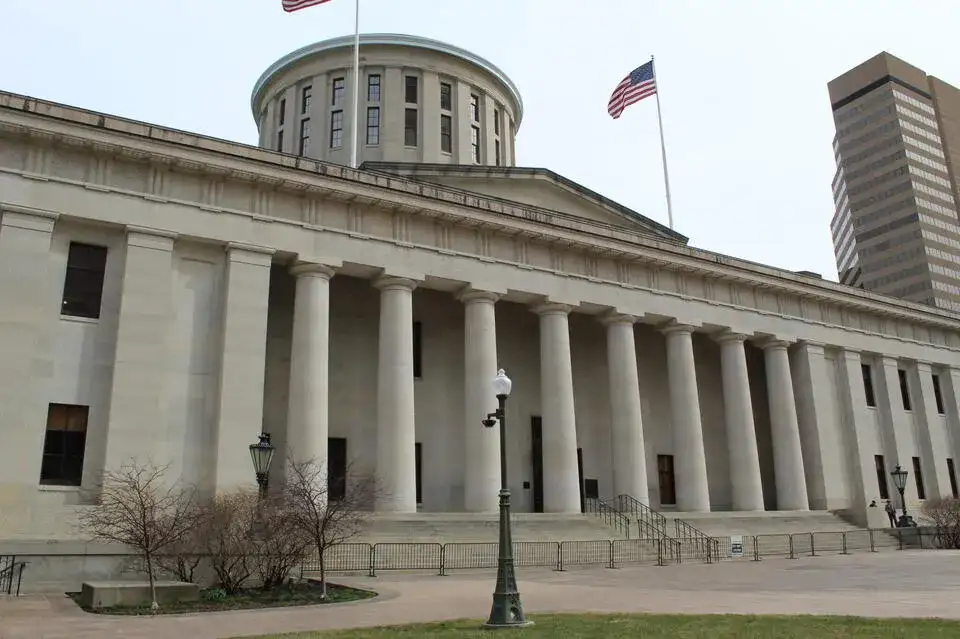
Current Legal Status
The Conflict: Plaintiffs, including hundreds of public school districts and teachers' unions, argue that EdChoice undermines public funding, exacerbates enrollment declines, and facilitates a form of resegregation.
The Defense: The state, led by Attorney General Dave Yost, maintains the program is constitutional. Proponents argue that private institutions often predate the voucher system and that taxpayer support does not equate to the creation of a new, state-run school system.
Procedural Reality: Despite a 2025 lower court ruling declaring the system unconstitutional, the program remains operational under a stay pending final adjudication. Observers anticipate the matter will ultimately reach the Ohio Supreme Court.
Fiscal and Institutional Impact
| Comparison | Public Education | Private Voucher Program |
|---|---|---|
| Funding Source | Tax-supported system | Public funds diverted via vouchers |
| Mandate | Serve all students | Selective/Religious-affiliated |
| Scale | Primary system | Significant (approx. $1B system) |
Context and Friction
The EdChoice program has shifted from its stated intent—providing a mechanism for families to exit struggling public schools—into a broader mechanism for private tuition subsidization. Critics note that the program now benefits many families whose children were never enrolled in the public system.
Read More: Google Learn About AI Tool Released April 2026 For Simple Learning
"This represents a huge victory for Ohio’s public school educators, school communities, and students who have seen critical resources diverted," said Scott DiMauro, President of the OEA, referencing the 2025 legal proceedings.
Conversely, groups such as the Ohio Christian Education Network view the lawsuit as an organized attack by unions against parental choice. With the 10th District Court currently deliberating, the path toward a final decision remains tangled in Constitutional Interpretation and competing claims regarding the state's obligation to maintain Public Education Equity.