NYC Health and Hospitals (NYCHHC), the largest public health system in the United States, recently revealed that hackers accessed its network, compromising the medical records of approximately 1.8 million individuals. The breach, which was detected on February 2, had been ongoing since November.
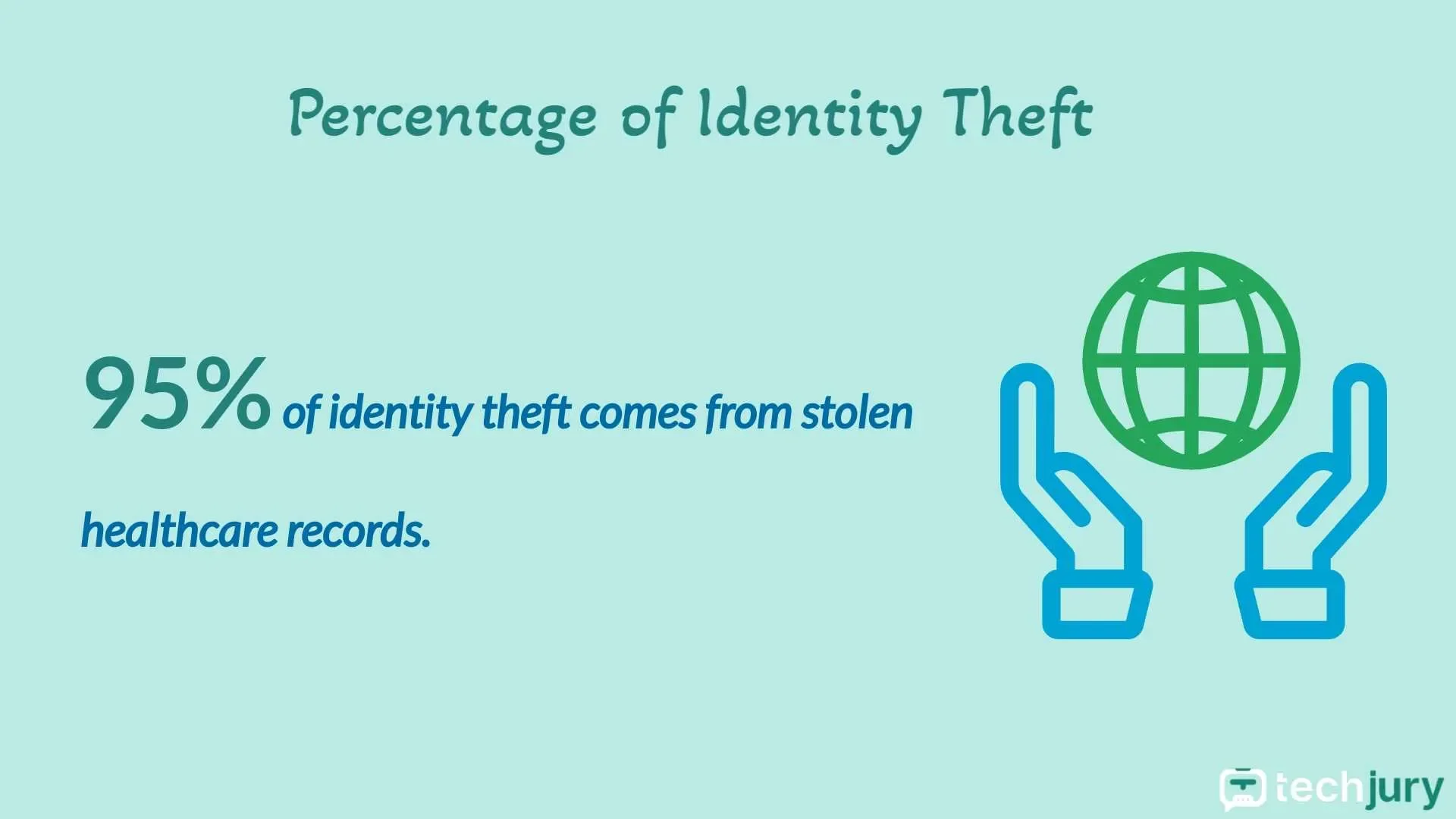
The compromised data is extensive and deeply personal. Beyond standard medical histories, the intruders gained access to sensitive identifiers like Social Security numbers, driver's license numbers, and taxpayer identification numbers. Financial details were also exposed, including credit and debit card numbers, financial account information, and online account credentials. In a particularly alarming development, the breach also included highly sensitive biometric data, such as fingerprints and palm prints, information that, once stolen, cannot be replaced or altered by the affected individuals. Billing and payment information were also part of the stolen trove.
Read More: Maui float therapy helps wildfire survivors with PTSD concerns
Nature of the Breach
The hackers were able to access NYCHHC's network, leading to the exfiltration of personal and medical information. The exact methods used to gain entry and extract the data are still under investigation. However, the scale and type of information compromised point to a sophisticated and targeted operation. Victims have been advised to consider placing fraud alerts or security freezes on their credit files to mitigate potential identity theft and financial fraud.
Broader Context of Healthcare Breaches
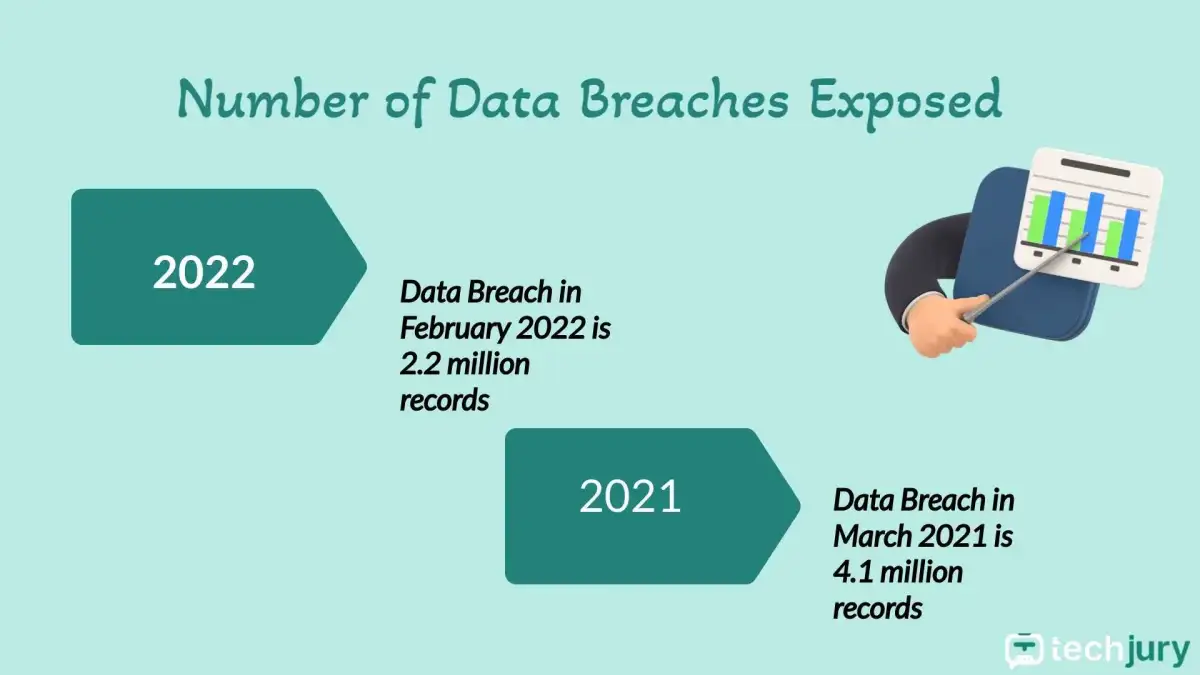
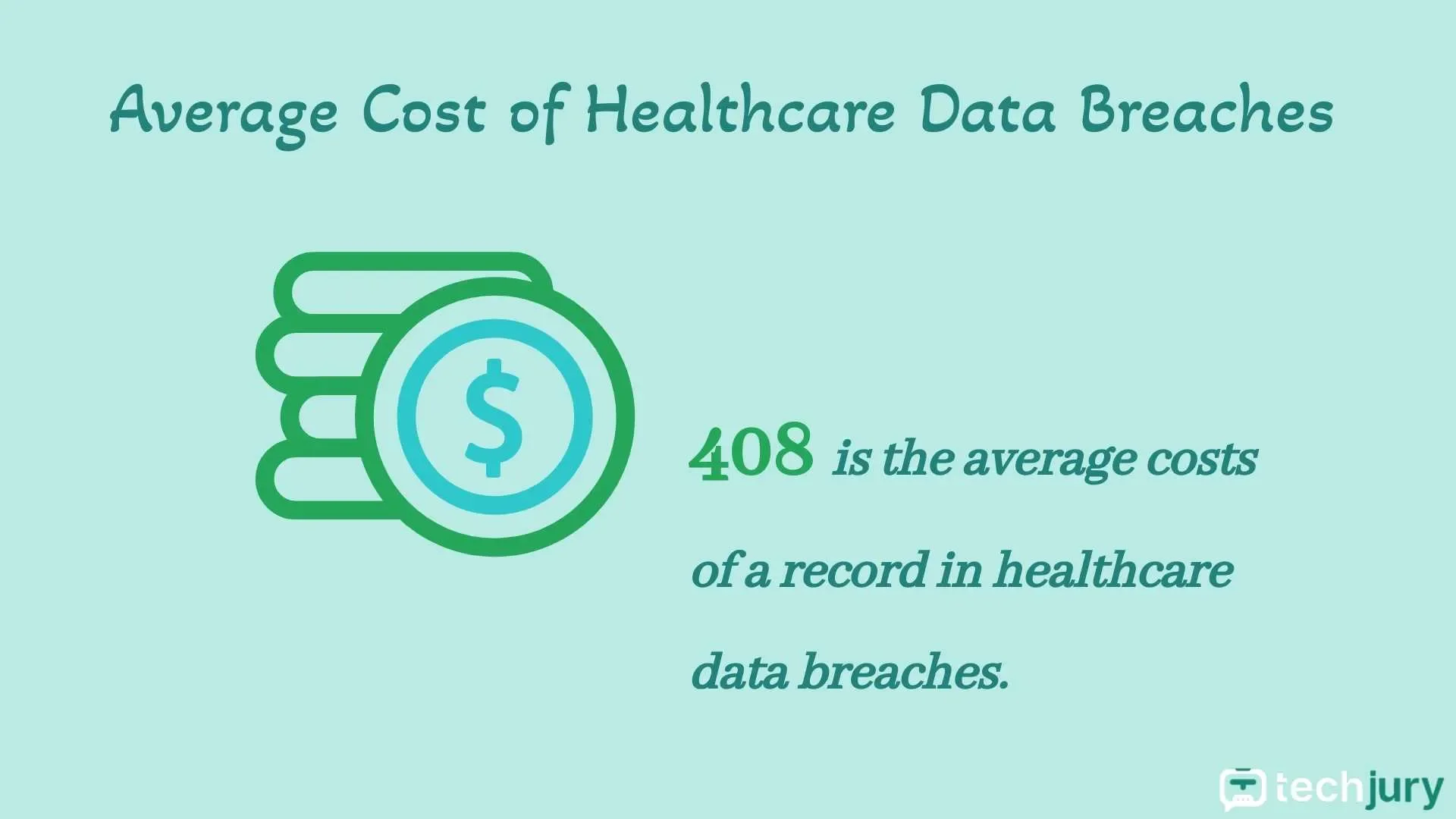
This incident is not an isolated event but fits into a larger, concerning pattern within the US healthcare sector. In 2024 alone, nearly 600 such 'hacking/IT incidents' were reported, affecting millions of patient records. These breaches frequently involve ransomware attacks and compromise a wide array of personal and medical details, from names and dates of birth to insurance information and treatment specifics. Healthcare business associates also represent a significant point of vulnerability, with a substantial number of incidents stemming from their systems. The financial ramifications are also considerable, with the US consistently reporting the highest average total cost for data breaches annually.
Read More: Free Recycling For Old Computers And Printers Available Now

The persistence of these breaches highlights ongoing challenges in safeguarding sensitive patient data within a complex and increasingly digitized healthcare landscape.