A New Contender Emerges
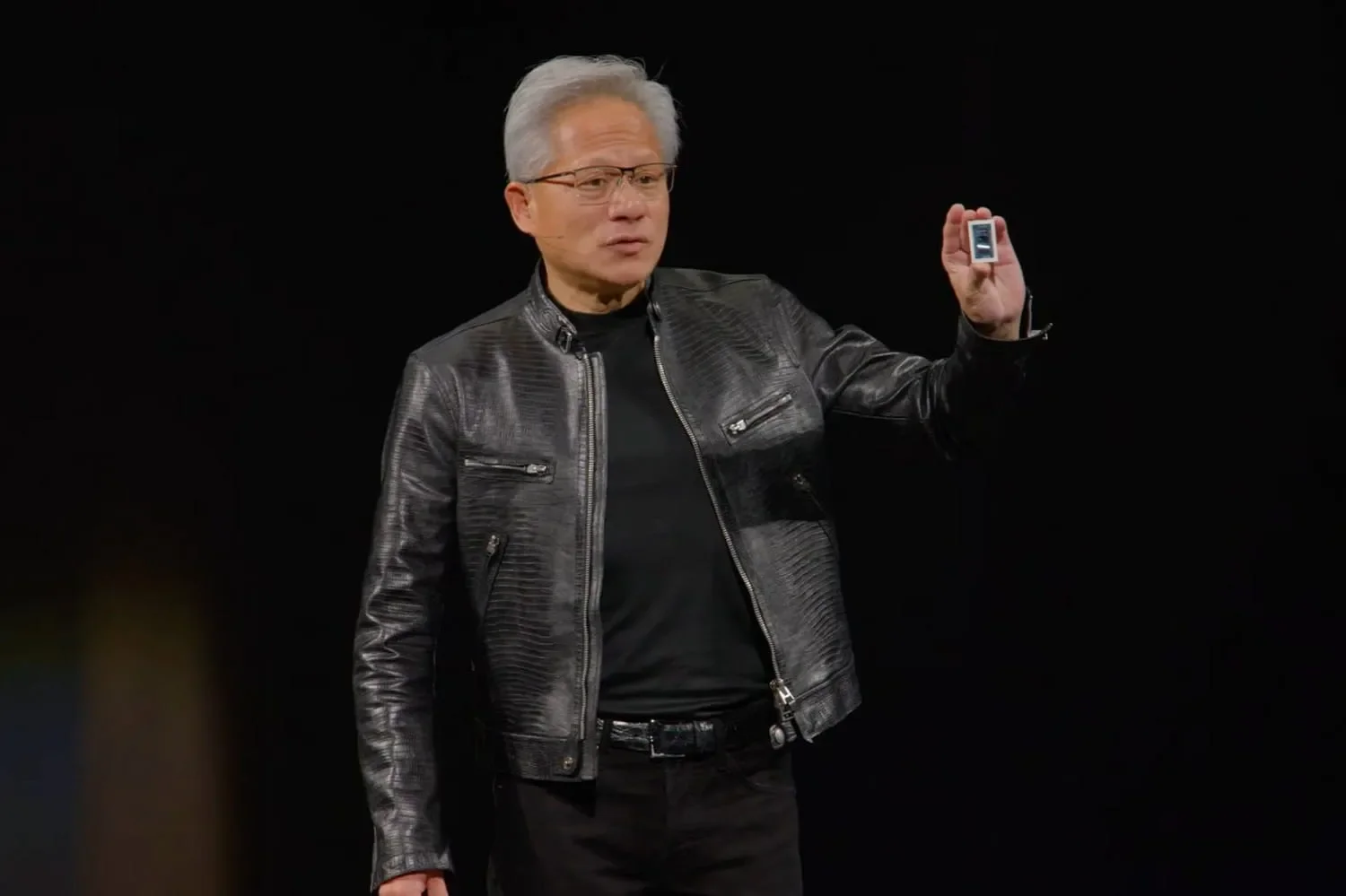
Nvidia has officially pulled the curtain back on RTX Spark, a new superchip designed to redefine Windows PCs for the age of "personal AI agents." Unveiled in collaboration with Microsoft and MediaTek, this ARM-based processor integrates Nvidia's established CUDA, RTX, and AI platform technologies into a single component. The RTX Spark superchip boasts up to 1 petaflop of AI performance, industry-leading power efficiency, and up to 128GB of unified memory. This strategic move introduces a significant rival to established players like Qualcomm, Intel, and AMD in the Windows-on-ARM device market, with around thirty laptop and ten desktop models expected this autumn.
Shifting the Paradigm for Personal Computing
RTX Spark is presented not merely as a component but as a platform, aiming to transform Windows PCs from mere tools into "teammates." The chip's architecture, featuring a Grace CPU and Blackwell GPU, is engineered from the ground up for AI workloads, a departure from conventional laptop processors. Nvidia highlights its capacity to support large language models, with claims of handling up to 120 billion parameter agents and a 1 million token context window. Nvidia and Microsoft are touting a native Windows experience for these AI agents, incorporating new security measures and NVIDIA OpenShell for secure on-device operation.
Read More: Chrome mimeHandler API lets extensions handle file types
Addressing Past Shortcomings and Gaming Aspirations
The announcement comes at a time when previous iterations of Windows on ARM, such as Microsoft's Copilot+ PCs, have reportedly fallen short of expectations, often hampered by emulation issues that led to performance and compatibility problems. Nvidia acknowledges these challenges, with RTX Spark aiming to rectify them by bringing its deep investment in Windows gaming performance to the ARM ecosystem. This includes official confirmation of 'RTX gaming support' and the promise that the chip will enable major multiplayer games to run correctly on RTX Spark-equipped machines.
Read More: Are Copilot+ PCs making older Windows laptops obsolete in April 2026?

Beyond AI: Creative and Gaming Horizons
While AI is a central theme, RTX Spark is also targeting creative professionals and gamers. Nvidia is collaborating with Adobe to rearchitect key software like Premiere and Photoshop for optimal performance on RTX Spark. The integrated Blackwell GPU brings advanced graphics capabilities, promising powerful creative experiences alongside AI functionalities. Furthermore, the company explicitly states that RTX Spark is designed for gaming, a move that could bolster the appeal of ARM-based Windows devices for a broader audience.

Technical Specifications and Market Positioning
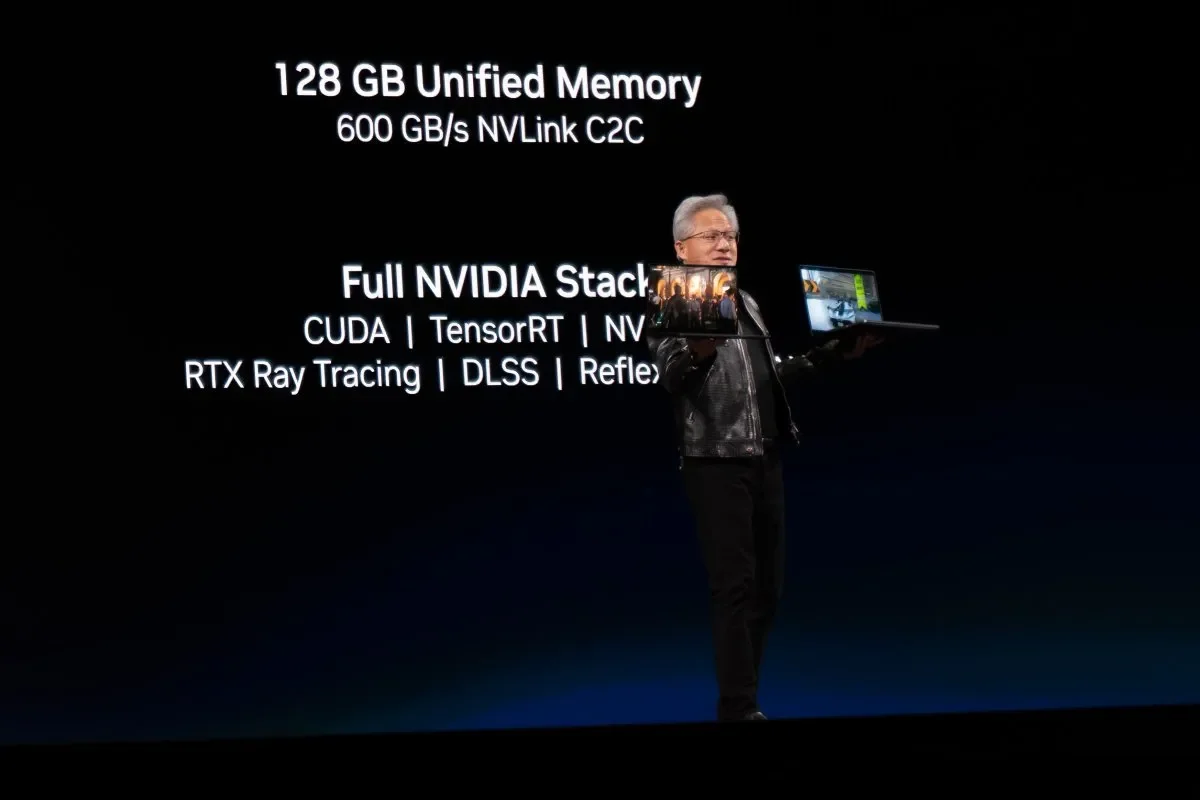
The maximum configuration of RTX Spark features 128GB of LPDDR5X unified memory with a claimed memory bandwidth of 300 GB/s, derived from figures measured on Nvidia's DGX Spark workstation. This "superchip" integrates CPU, graphics, and AI acceleration into a single package, presenting a distinct alternative to existing x86 architectures. Nvidia has not yet disclosed pricing details for these new devices. The platform's capabilities are showcased in early devices like the Surface Laptop Ultra.
Read More: BEREC Asks for Mobile Network API Ideas from Developers
Lingering Questions and Future Prospects
Despite the ambitious unveiling, some limitations have been noted, including the absence of official Pro versions, ECC memory, or Linux support in the initial rollout. The long-term consumer adoption of "agentic AI" remains an open question, with some observers skeptical about its immediate market viability. Nvidia's strategic pivot to the Windows on ARM market with RTX Spark positions it as a direct competitor to established silicon giants, signaling a significant shake-up in the personal computing landscape as devices powered by this new architecture are slated for release in the coming months.