
The production of DDR4 memory modules and their accompanying motherboards is experiencing an unexpected resurgence. This phenomenon points to a reversal in the typical hardware upgrade cycle, as demand for older, yet still functional, components appears to be on the rise.
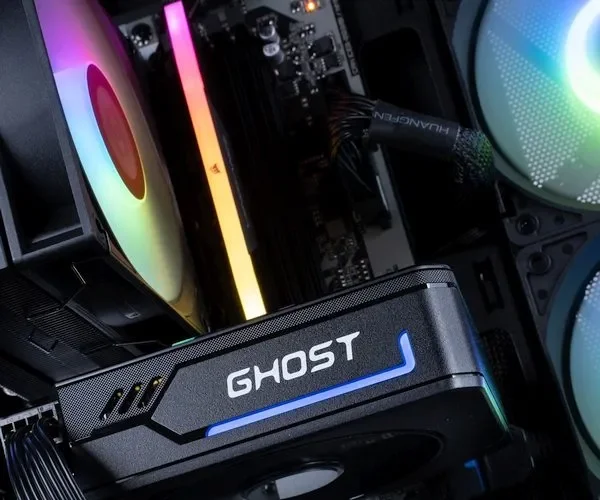
The current landscape indicates a market re-evaluation, where established DDR4 technology is finding renewed traction, challenging the conventional progression towards newer standards like DDR6, which is anticipated as the next generation of random-access memory.
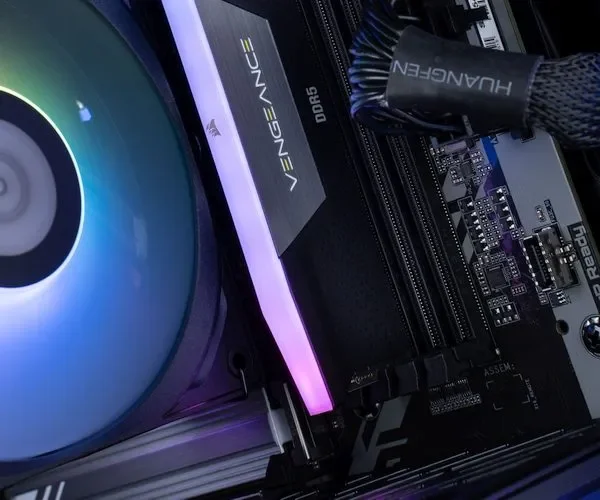
Memory's Measure: Speed and Space
The fundamental characteristics of RAM, or Random Access Memory, continue to define its utility. Memory speed, measured in megahertz (MHz), dictates how quickly data can be accessed and processed, directly influencing system fluidity.
Capacity (Gigabytes - GB): This refers to the available space for storing and actively processing data. More RAM generally allows for smoother multitasking and the operation of more demanding applications.
Speed (Megahertz - MHz): This metric signifies the rate at which the memory can transfer data, impacting overall system responsiveness.
Technological Underpinnings
RAM, essentially the short-term memory of a computer, functions as a rapid workspace for the central processing unit (CPU). It temporarily holds active data, such as open applications and browser tabs, enabling near-instantaneous access.
Read More: Chrome mimeHandler API lets extensions handle file types
Volatile Memory: Both static RAM (SRAM) and dynamic RAM (DRAM) are forms of volatile memory, meaning they require power to retain data. DRAM, a common type, necessitates periodic refreshing to maintain its contents.
Memory Hierarchy: Modern computer systems employ a layered memory hierarchy, integrating processor registers, on-die caches (SRAM), external caches, DRAM, and virtual memory or swap space on storage devices.
Physical Integration: RAM modules are designed to fit into specific slots on a motherboard. Ensuring compatibility between RAM and motherboard specifications is crucial for any hardware setup.
Historical Context
Semiconductor memory technology emerged in the 1960s, initially utilizing bipolar transistors. The evolution of memory has seen the development of various types, each with distinct characteristics regarding refresh requirements and addressing capabilities. The architecture of memory circuits is intrinsically linked to the addressing capacity of the CPU, allowing for the management of increasingly large memory pools. Measures for ensuring data integrity, such as error detection and correction, involve the addition of supplementary bits to memory words.