Recent disclosures point to Intel’s preparation of new processors, codenamed 'Nova Lake,' specifically targeted at the edge computing sector. These chips are slated to feature a hybrid architecture, reportedly combining 8 Efficient-cores (E-cores) with 12 Xe3P cores, suggesting a push towards enhanced processing capabilities for decentralized applications. This move aligns with a broader trend of Intel adapting its silicon for diverse computing environments, beyond traditional data centers and personal computers.

Intel’s Nova Lake processors are being developed with a blend of 8 E-cores and 12 Xe3P cores, a configuration that signals a deliberate strategy to address the growing demands of the edge computing market. The Xe3P designation likely refers to Intel’s latest graphics architecture, indicating a significant uplift in graphical and parallel processing power crucial for tasks like real-time analytics and machine learning inference at the network's edge.
Read More: Chrome mimeHandler API lets extensions handle file types
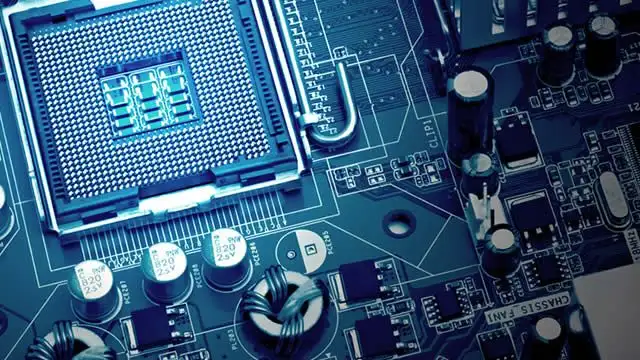
The timing of these reports surfaces as Intel navigates a complex market landscape. Just two days ago, analyses highlighted the versatility and energy efficiency of its current Core Ultra processors, noting notable reductions in power consumption. This focus on efficiency is paramount for edge deployments, where power and thermal constraints are often more stringent than in traditional computing settings.

Meanwhile, Intel’s corporate messaging emphasizes a mission to “create world-changing technology that improves the life of every person on the planet,” with over 120,300 employees dedicated to shaping the future of computing and connectivity. This grand vision, however, is being enacted against a backdrop of considerable financial and strategic repositioning.

Stock market indicators, such as those tracked by Boursorama, show fluctuations in Intel’s (INTC) stock price, with recent trades recorded around 123.5100. The broader semiconductor market is characterized by intense competition and evolving investor sentiment. Recent news indicates challenges for dominant players like Nvidia and a resurgence in US software stocks. Intel itself has faced significant market scrutiny, with recent downgrades by analysts citing valuation concerns.
Read More: Nvidia RTX Spark New AI PC Processors Coming Autumn 2026
Intel’s recent strategic moves have included significant personnel changes and divestitures. Reports from February 2026 mentioned the departure of Sachin Katti, who led its AI activities, to OpenAI. Prior to that, in January 2026, Intel announced new Xeon 600 processors for workstations. The company has also been involved in considerable restructuring, including potential workforce reductions and divestment of assets like its programmable chip subsidiary, Altera. Investment news has also pointed to external interests, with SoftBank acquiring $2 billion in Intel stock and Nvidia taking a nearly 5% stake following a $5 billion investment.
Read More: BEREC Asks for Mobile Network API Ideas from Developers
The company’s history is marked by legal and regulatory entanglements, including past penalties for anti-competitive practices and ongoing negotiations with governments regarding chip manufacturing. Despite these challenges, Intel has also secured significant funding, such as $7.86 billion through the Chips Act and a contract with the Pentagon, underscoring the strategic importance of its domestic semiconductor production capabilities. The focus on AI remains a central theme, with Intel committing to reinforcing its AI offerings, even as it faces questions about its ability to compete with rivals like AMD and Nvidia in the AI accelerator market.