
Sydney, Australia – A nearly 50-year-old Australian construction firm, Novati Constructions, has entered administration, marking another significant collapse in a sector grappling with escalating financial pressures. This event comes at a time when the construction industry is experiencing a notable increase in company failures, leaving behind concerns for creditors, employees, and consumers. The company's first meeting with creditors is scheduled for next week.
Industry-Wide Financial Strain
The Australian construction sector is currently facing a period of considerable difficulty. Data from the Australian Securities and Investments Commission (ASIC) indicates a substantial number of insolvencies.
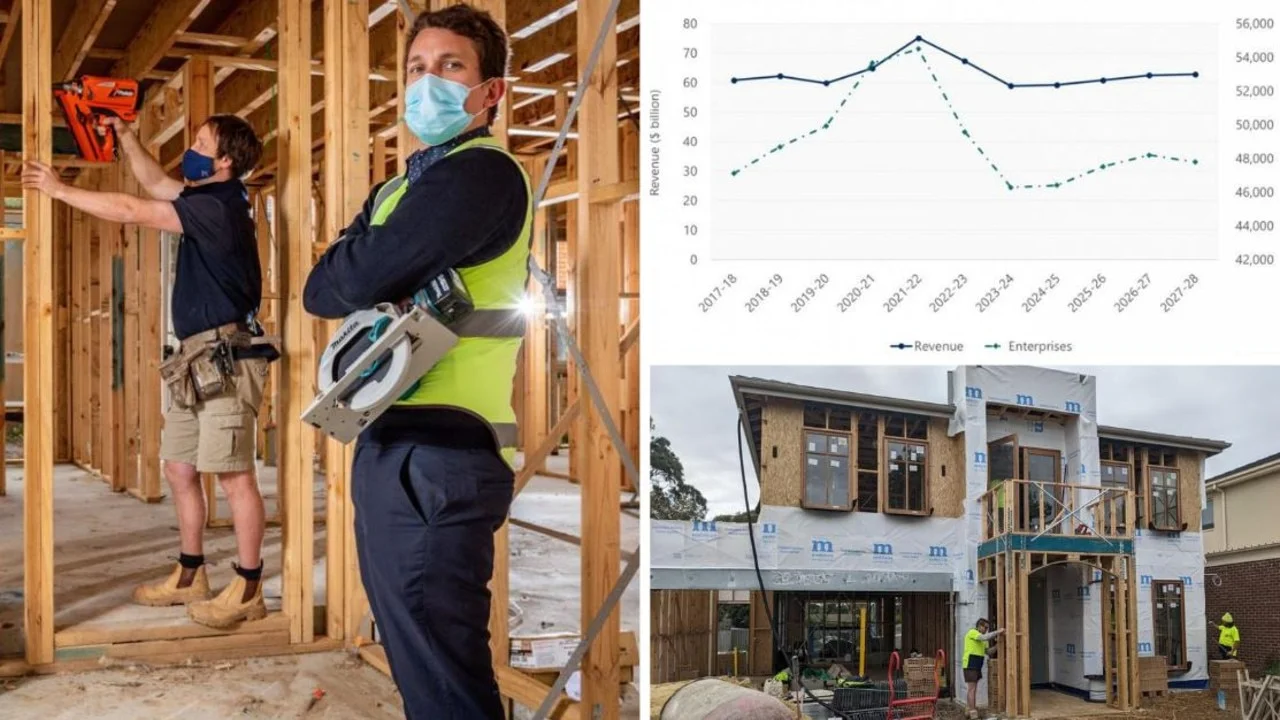
From July 1 to August 11 of the current financial year, 415 construction sector insolvencies were recorded.
In July alone, 328 construction insolvencies were reported, an increase from the 295 recorded in July of the previous year and 199 in the same month of FY23.
Across the entire 2023-24 financial year, nearly 3,000 construction companies failed.
In the six months prior to June 25, 2022, 16 companies collapsed, impacting thousands of jobs.
Contributing Factors to Construction Firm Failures
Several systemic issues appear to be contributing to the current wave of insolvencies within the construction industry. These include the nature of contract agreements, rising costs, and external economic pressures.
The Impact of Fixed-Price Contracts
A traditional practice within the industry, the use of fixed-price contracts, has been identified as a significant factor exacerbating financial instability. These contracts are often signed months before construction begins, leaving companies exposed to cost fluctuations.
Read More: Schroders Family Stake Sale Rumors: Reports Differ
Companies often agree to a price that does not account for later increases in material and labor costs.
This can force businesses to chase revenue rather than profit to stay afloat, often by underquoting for new projects.
Experts suggest a move towards more flexible contract terms could offer a partial solution, but renegotiating existing agreements is seen as a "tall ask."
Rising Costs and Resource Shortages
Beyond contract structures, external economic forces are placing immense pressure on builders.
Structurally higher residential construction costs have emerged post-pandemic.
Soaring costs for materials and a shortage of skilled labor are placing further strain on project budgets.
Disruptions caused by COVID-19 shutdowns and restrictions have also played a role in the compounding pressures.
Consumer Ramifications
The wave of builder bankruptcies has direct and often severe consequences for consumers who have entered into building or renovation agreements.
Read More: Superquiz Puzzles Are Still Available for Subscribers
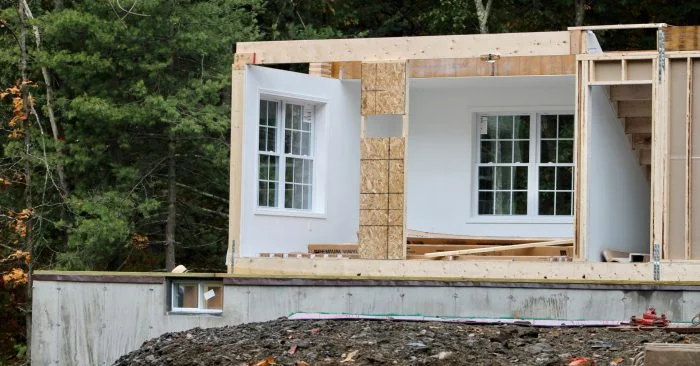
Consumers face the prospect of losing their deposits and having unfinished homes.
The need for robust protection of consumer deposits is highlighted as vital for industry stability.
The current situation leaves consumers vulnerable, particularly when undertaking significant financial commitments for home building or renovation.
Expert Perspectives
Industry observers and analysts point to a combination of factors contributing to the current environment.
"At the moment large companies have gone under and others are trying to keep their head above water, but it's like a Band-Aid, all that happens is they are safe for the moment, but the contracts downstream are all at risk unless there's a longer term solution." - Unnamed Industry Expert, quoted in news.com.au
This perspective underscores the view that many current survival measures are temporary fixes, and deeper structural issues remain unaddressed.
Novati Constructions' Situation
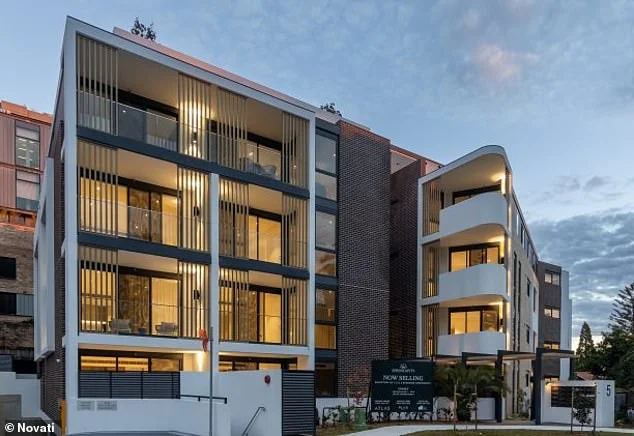
Novati Constructions, an award-winning firm with a history of nearly 50 years, joins the growing list of companies entering administration. Recent projects attributed to the company include the luxury apartment complex Point in South Cronulla and the Manly Civic Club. Company directors Luisa and Marco Novati were listed, with Marco Novati now identified as the group manager. The reasons for the company's administration have not been publicly detailed beyond the general industry pressures.
Conclusion and Implications
The administration of Novati Constructions serves as a clear indicator of the severe financial challenges pervasive in the Australian construction sector. The ongoing trend of company collapses, fueled by factors such as inflexible contracts, rising costs, and labor shortages, poses a significant risk to the industry's stability and the financial security of consumers. The upcoming creditors' meeting for Novati Constructions will likely provide further insight into the company's financial standing and the path forward for those owed money. The broader implications suggest a critical need for systemic reforms and support mechanisms to mitigate further widespread failures and protect stakeholders.
Sources
Daily Mail Australia: Published a report on Novati Constructions entering administration, providing details about the company and its creditors' meeting.
Link: https://www.dailymail.co.uk/news/article-15548631/Sydney-Novati-Constructions.html
news.com.au: Reported on a crisis in the construction industry, highlighting the collapse of 16 firms in six months and discussing potential solutions like contract renegotiation.
Link: https://www.news.com.au/finance/business/other-industries/sixteen-companies-and-thousands-of-aussie-jobs-gone-in-six-months-as-collapse-crisis-rages-on/news-story/254dd8a93c8090a6c18e36e7e0c3e6a6
MacroBusiness: Detailed the trend of Australian builders collapsing, citing ASIC data on a high number of insolvencies and macroeconomic challenges.
Link: https://www.macrobusiness.com.au/2024/08/aussie-builders-collapse-like-a-house-of-cards/
UNSW Newsroom: Discussed the impact of builder bankruptcies on Australian homeowners, emphasizing the need for consumer protection and the instability within the residential construction sector.
Link: https://www.unsw.edu.au/newsroom/news/2024/10/construction-nightmares—how-builder-bankruptcies-are-costing-au
Read More: Rolls-Royce Plans Big Investment in India, More Jobs and Local Parts