Falling Fuel Costs Provide Relief to Northern Ireland Drivers
Northern Ireland is experiencing a significant decrease in fuel prices, with petrol reaching a five-year low. This trend offers some financial relief to drivers who have faced high costs, particularly after events like the invasion of Ukraine, which previously drove prices upwards. The availability of fuel price comparison tools allows consumers to actively seek out the best deals, potentially enhancing the impact of these falling prices.
Context: A Shifting Economic Landscape
The current decline in fuel prices in Northern Ireland follows a period of significant fluctuations. In the wake of Russia's invasion of Ukraine, pump prices surged, with unleaded petrol reaching 189.9p per litre and diesel at 197.5p per litre. More recently, average petrol prices have fallen to 124.2p per litre, while diesel has remained relatively stable at 131.9p per litre, according to the Consumer Council for Northern Ireland. This recent downward trend is observed across the UK and is linked to broader changes in the global oil market.
Read More: Carl Frampton documentary on Northern Ireland probation released May 2026
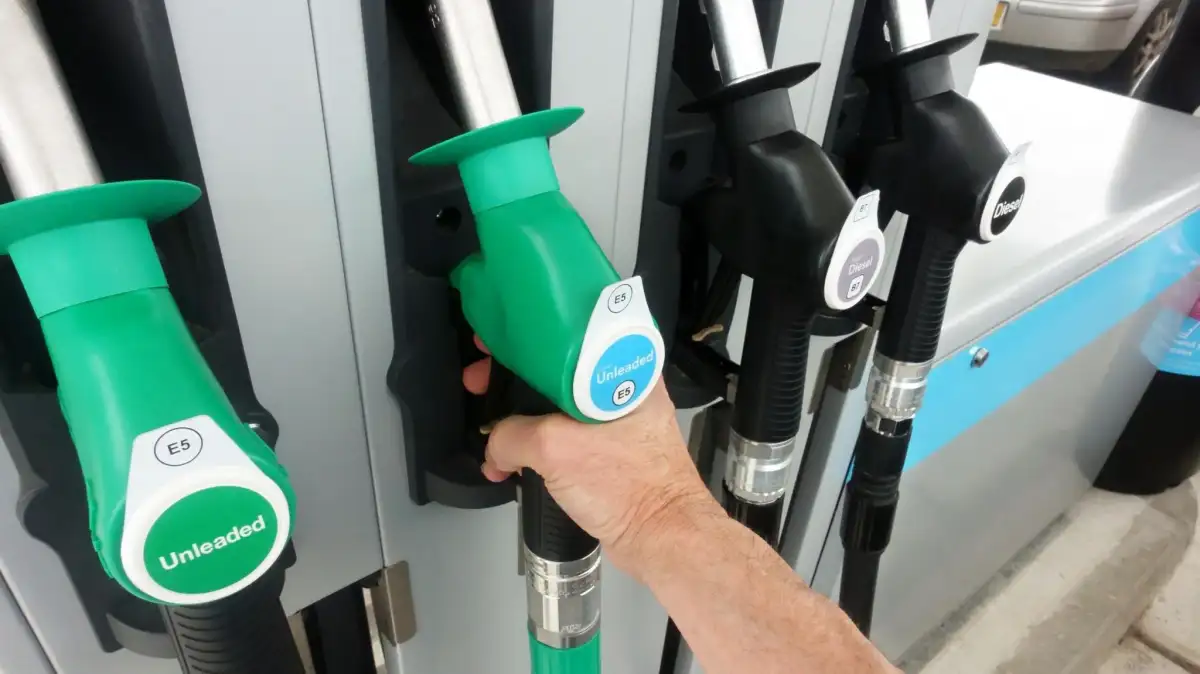
Evidence of Price Reductions
Multiple sources confirm the ongoing decrease in fuel costs:
Consumer Council for Northern Ireland Data: As of the week ending February 5, 2026, average petrol prices stood at 124.2p per litre, and diesel at 131.9p per litre.
Five-Year Low for Petrol: Several reports indicate that petrol prices have reached their lowest point in approximately five years.
Comparison to Pre-Ukraine Invasion: The current prices represent a substantial reduction from the peaks seen shortly after Russia's invasion of Ukraine.
Factors Driving the Decline
Global Oil Market Response
A primary driver behind the falling fuel prices is the sustained period of lower oil prices on the Brent crude market. Reports suggest that crude oil prices have dropped to levels not seen in months, or even years. This reduction in the wholesale cost of crude oil directly impacts the price drivers pay at the pump.

Surplus Crude Oil and Easing Tensions
Reports of a "massive" build-up in oil shipments and easing Middle East tensions are cited as contributing factors to the decline in wholesale oil prices. This indicates a potential oversupply in the market, which typically leads to lower prices.
Comparison with the Republic of Ireland
Interestingly, due to falling oil prices and tax differences, motorists in Northern Ireland are paying approximately 24p less for a litre of petrol compared to those in the Republic of Ireland.
Read More: FIFA World Cup 2026 Revenue Reaches $15 Billion With New Ticket Prices

Impact on Consumers and Retailers
Consumer Council's Role
The Consumer Council for Northern Ireland plays a vital role in this scenario. They track forecourt fuel prices on a weekly basis and make this information accessible through their online Fuel Price Checker. This tool empowers consumers to compare prices across different stations and identify the lowest available rates.
The Consumer Council notes that fuel prices are composed of various factors, which can differ between retailers.
Their analysis provides insights into the highest, lowest, and average prices in specific areas.
Retailer Responsibilities
Forecourts in the UK are required to submit pricing information to the UK Government's Fuel Finder Scheme. They must notify the scheme within 30 minutes of any price changes at the pump. This transparency aims to ensure that consumers are promptly informed of price adjustments.

Expert Insights and Analysis
While the provided data focuses on price movements and contributing market factors, specific expert commentary on the implications or future trajectory beyond general trends of falling prices is not extensively detailed in the summaries. The Consumer Council's statements highlight the multi-faceted nature of fuel pricing.
Read More: Northern Ireland autism diagnosis rate hits record 1 in 16 in May 2026
Conclusion: A Period of Price Adjustment
Northern Ireland's fuel prices are demonstrably falling, driven primarily by a decrease in global crude oil costs. This trend is supported by market data indicating surplus oil and easing geopolitical tensions. The Consumer Council is actively informing consumers, while government schemes ensure some level of pricing transparency. The price difference compared to the Republic of Ireland is also notable. While current trends point towards continued declines, the long-term sustainability of these low prices will depend on the volatility of the global oil market and other economic factors.
Sources Used:
BBC News: Petrol price: What's driving Northern Ireland's falling fuel costs? - Published recently, this article discusses the immediate reasons for falling fuel prices and the availability of price checker tools.
The Irish News: Northern Ireland petrol prices at their lowest in real terms for almost 25 years - This report details the historical context of current low prices and quotes the Consumer Council on average fuel costs.
The Belfast Telegraph: Price of petrol falls to five-year low - This article confirms the five-year low for petrol and mentions the Consumer Council's tracking and the UK government's Fuel Finder Scheme.
The Irish News: Petrol prices at five-year low in Northern Ireland as market responds to lower crude oil costs - This article links the falling petrol prices directly to lower crude oil prices and mentions home heating oil.
The Irish News: Fuel prices expected to continue falling across Northern Ireland as crude oil prices drop to 2021 levels - This report discusses factors like easing Middle East tensions, surplus oil, and the expected continuation of price drops, comparing current wholesale prices to 2021 levels.
Assignment Junkie: Cheapest Petrol and Diesel Prices in Northern Ireland – May 2025 Update - This blog post provides specific average prices for May 2025 and notes the falling prices reflect a national trend.
Share Watch: Cost of living: Home heating oil and fuel prices drop to four year low – Share Watch - This article from May 5, 2025, reports a four-year low for home heating oil and fuel, highlights the Consumer Council's oil price checker, and includes comments from drivers about prices still being high for some.