Health authorities are confronting a surge of unproven "miracle cures" circulating on social media, leading to severe public health risks, particularly for cancer patients. Medical professionals, including those from the NHS and the American Society of Clinical Oncology (ASCO), report that individuals are abandoning conventional, evidence-based treatments in favor of unverified remedies found online.
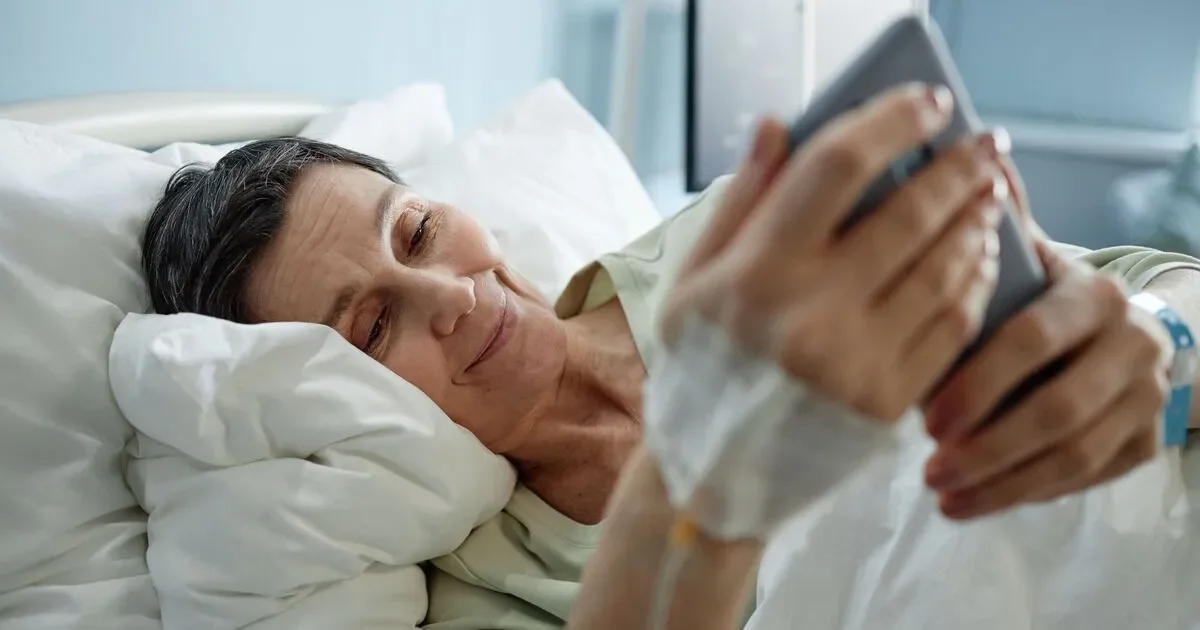
Social Media as a Health Information Hub
Recent warnings from the NHS highlight a growing trend where people, while showing increased interest in their health, are increasingly sourcing medical advice from unreliable platforms like TikTok, YouTube, and Instagram. This shift means established institutions like the NHS are often bypassed, leading individuals to fall prey to misleading claims.

"Unproven miracle cures" are being peddled, convincing people they have specific conditions and deterring them from accepted medical pathways.
The NHS is now actively engaging on platforms like TikTok to disseminate accurate information and counteract what is described as "dangerous advice."
A significant portion, estimated at one in five, are reportedly turning to social media for health guidance.
Fatal Consequences for Cancer Patients
The repercussions are particularly dire for cancer patients, with reports indicating fatalities stemming from reliance on these fabricated cures. Doctors observe patients who, instead of pursuing scientifically validated treatments, opt for unconventional methods promoted by online influencers.
Read More: India IVF Costs And Social Barriers Limit Access In April 2026

"We’re losing the battle for communication." - Dr. Julie Gralow, ASCO Chief Medical Officer.
Commonly debunked claims include the efficacy of juicing, ketogenic diets, mushroom supplements, and even positive thinking as cancer cures.
Patients are seeking "natural" alternatives, sometimes finding clinics abroad that offer treatments such as vitamin C infusions and caffeine colonics, leading to delays in necessary medical intervention.
Some studies suggest a substantial percentage of cancer-related videos on platforms like YouTube and TikTok contain incorrect information.
The Role of AI and Digital Platforms
Experts also point to the role of artificial intelligence (AI) in exacerbating the problem. AI algorithms can "hallucinate" and generate false information, which then spreads rapidly online. This, coupled with the reach of influencers, creates a potent mix of misinformation.
Concerns have been raised about search engines and AI systems regurgitating false health claims.
The ASCO conference in Chicago served as a forum for discussing how to combat the pervasive spread of inaccurate health narratives.
Official Responses and Future Directions
The NHS emphasizes the need to provide "authoritative, sensible, useful advice where young people will naturally look for it." While the NHS cannot control the posting of false claims, it is undertaking proactive measures to challenge them in the spaces where they originate. Organizations like Healthwatch England support this approach, noting the widespread reliance on social media for health information.
"I would urge people to be sceptical of any 'miracle cures' you may see on social media around cancer, and use trusted, credible sources like the NHS website or your care team to verify anything you are unsure on — because these fairy tales aren't just misleading, they can be harmful." - Professor Sir Stephen Powis, NHS England’s Medical Director.
This situation underscores a critical challenge in contemporary public health: the struggle to ensure factual information prevails over unsubstantiated claims in an increasingly digitized and interconnected world.