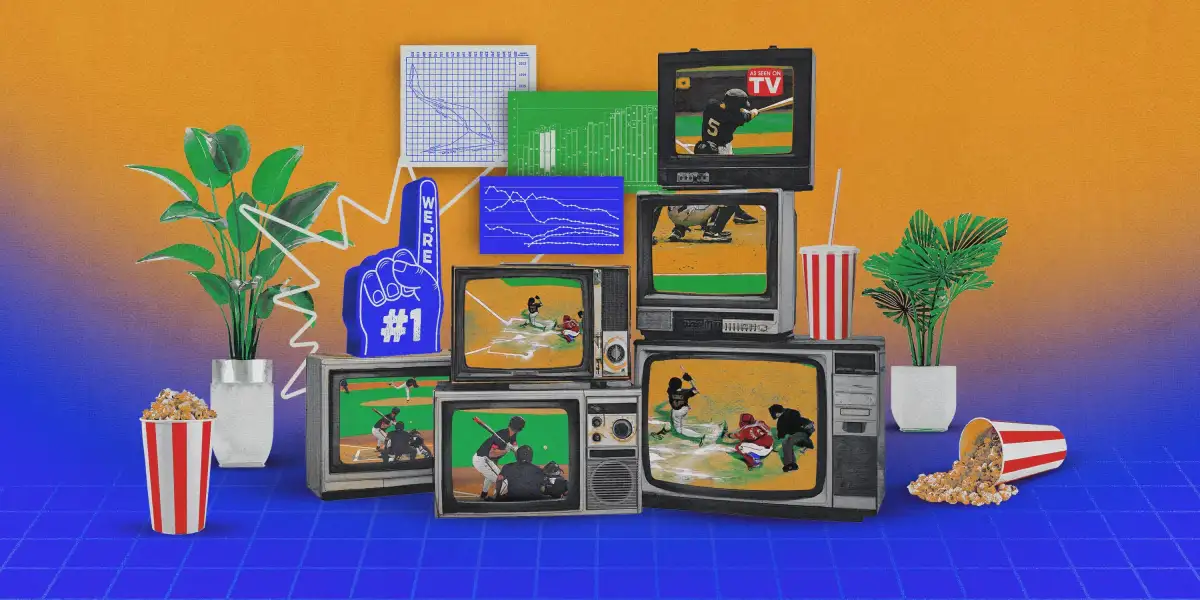
Broadcast networks, facing an existential reliance on the NFL, are asserting a subtle but significant leverage over both the league and emerging streaming platforms. While the NFL's immense popularity fuels this dynamic, its current broadcast partners are not merely passive recipients of its power. The league, despite its perceived dominance, finds itself in a delicate interdependence with traditional television, a relationship that complicates its pursuit of solely digital distribution.
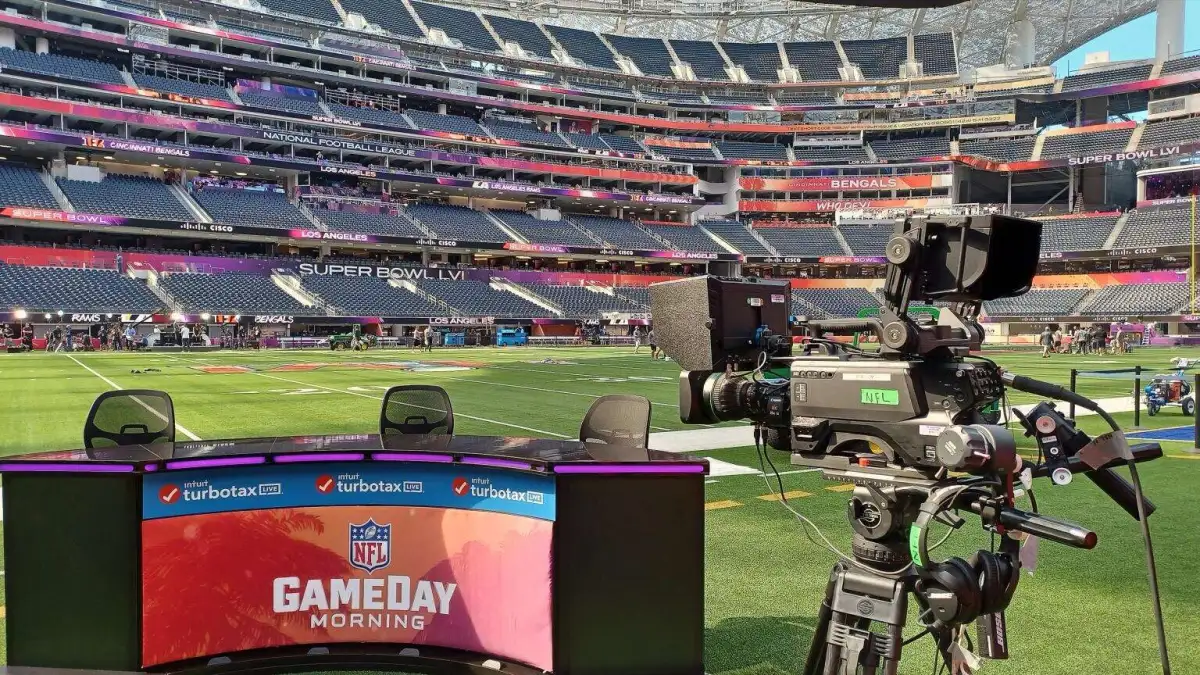
The NFL's current media rights agreements, valued at approximately $110 billion over 11 years, are a testament to the league's financial clout. However, these deals, inked before the full disruptive potential of ad-supported streaming became apparent, also reveal a degree of entanglement. Broadcasters, having committed vast sums, possess a vested interest and a strong position to push back against a wholesale migration of games to digital-only platforms. This resistance is rooted in the fundamental fact that for some, retaining NFL games is a matter of survival, an "existential thing" for their platforms.
Read More: FIFA World Cup 2026 Revenue Reaches $15 Billion With New Ticket Prices
Recent shifts in the media landscape highlight this push-and-pull. While streaming services have shown an appetite for certain NFL packages, as evidenced by Netflix's surge in sign-ups around its recent games, they are not necessarily poised to disrupt the established order by aggressively bidding for weekly broadcast rights. Their strategies, focused on specific events rather than the entire weekly schedule, suggest a measured approach, leaving ESPN's Monday Night Football, for example, likely outside their immediate competitive scope.

The growing influence of data in audience measurement is another critical factor. The nascent ad-supported streaming era forces platforms to share viewership data, a move that historically they have resisted. Initiatives like Nielsen's "Big Data + Panel" are creating a more standardized way to measure audiences across platforms, giving leagues and advertisers a clearer picture of reach and engagement. This transparency, while benefiting advertisers and leagues seeking to validate their content's value, also alters the negotiating power, compelling streamers to be more accountable for their audience metrics.
Read More: David Muir broadcast style secrets revealed as of April 2026
The NFL itself, through figures like Commissioner Roger Goodell, has begun to articulate the argument that some streamers offer broader distribution than traditional networks. This framing suggests a potential future where digital platforms could supplant linear broadcasters. Yet, this narrative appears to be met with considerable pushback from these very same linear partners, who are actively lobbying against the NFL's perceived desire to shift games away from traditional channels.
Background: A Changing Tide in Media Rights
The sports media rights market is in a state of flux, driven by the ongoing transformation of the traditional pay-TV bundle and the rise of streaming. Live sports remain a coveted asset, but their valuation is increasingly complex due to fragmentation, aggregation, and consolidation within the media industry. While streaming services have demonstrated their capacity to attract new subscribers and viewership with marquee sports events, they have yet to consistently achieve profitability from these ventures. This financial reality tempers their willingness to engage in the kind of all-encompassing bidding wars that might entirely redefine the existing media rights structure. The NFL's next major media rights negotiations, some years away, will occur against this shifting backdrop, with the ultimate value of its content subject to the evolving sensibilities of both leagues and media distributors.
Read More: England World Cup Match: Pubs Open Until 5 AM Monday