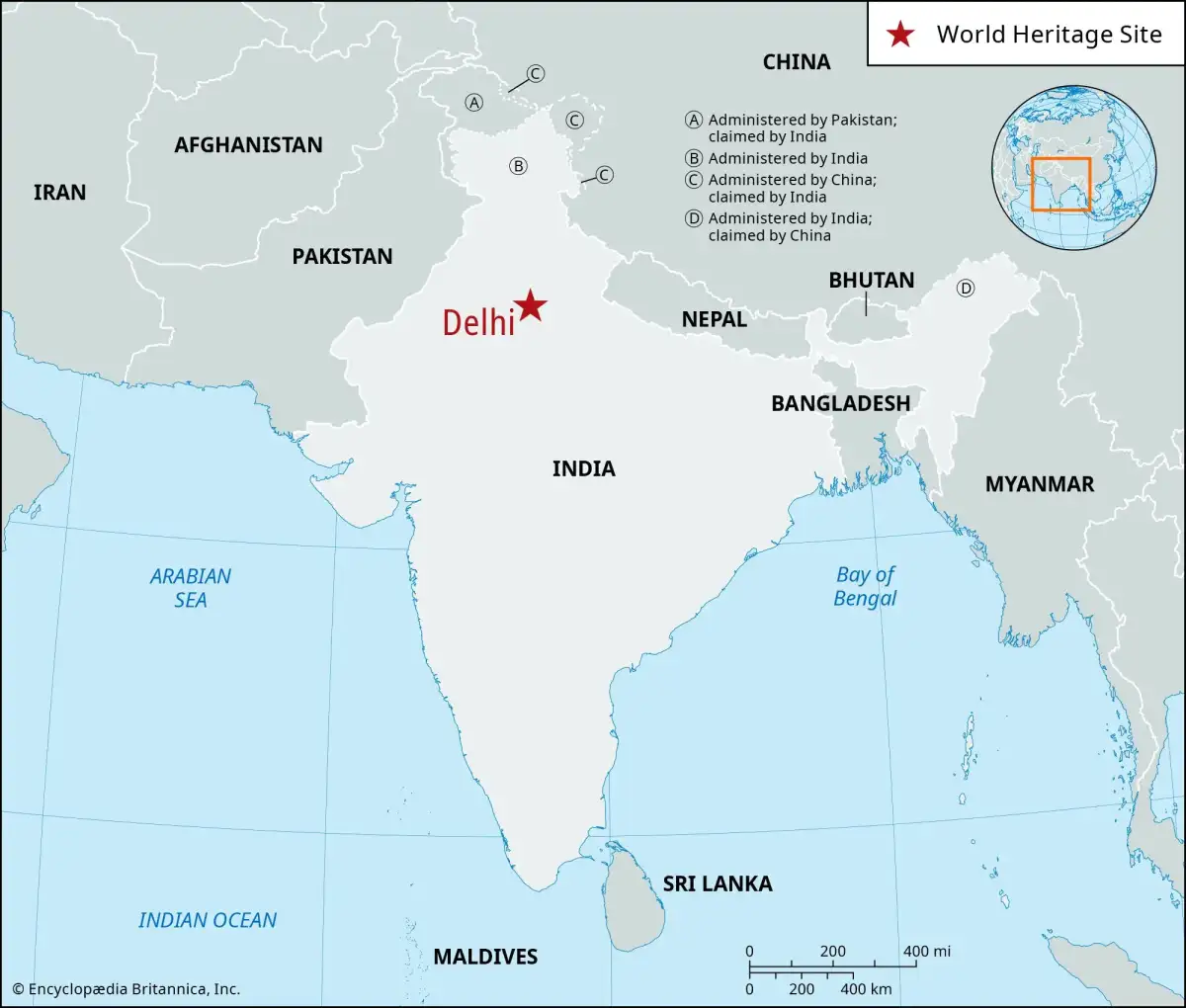
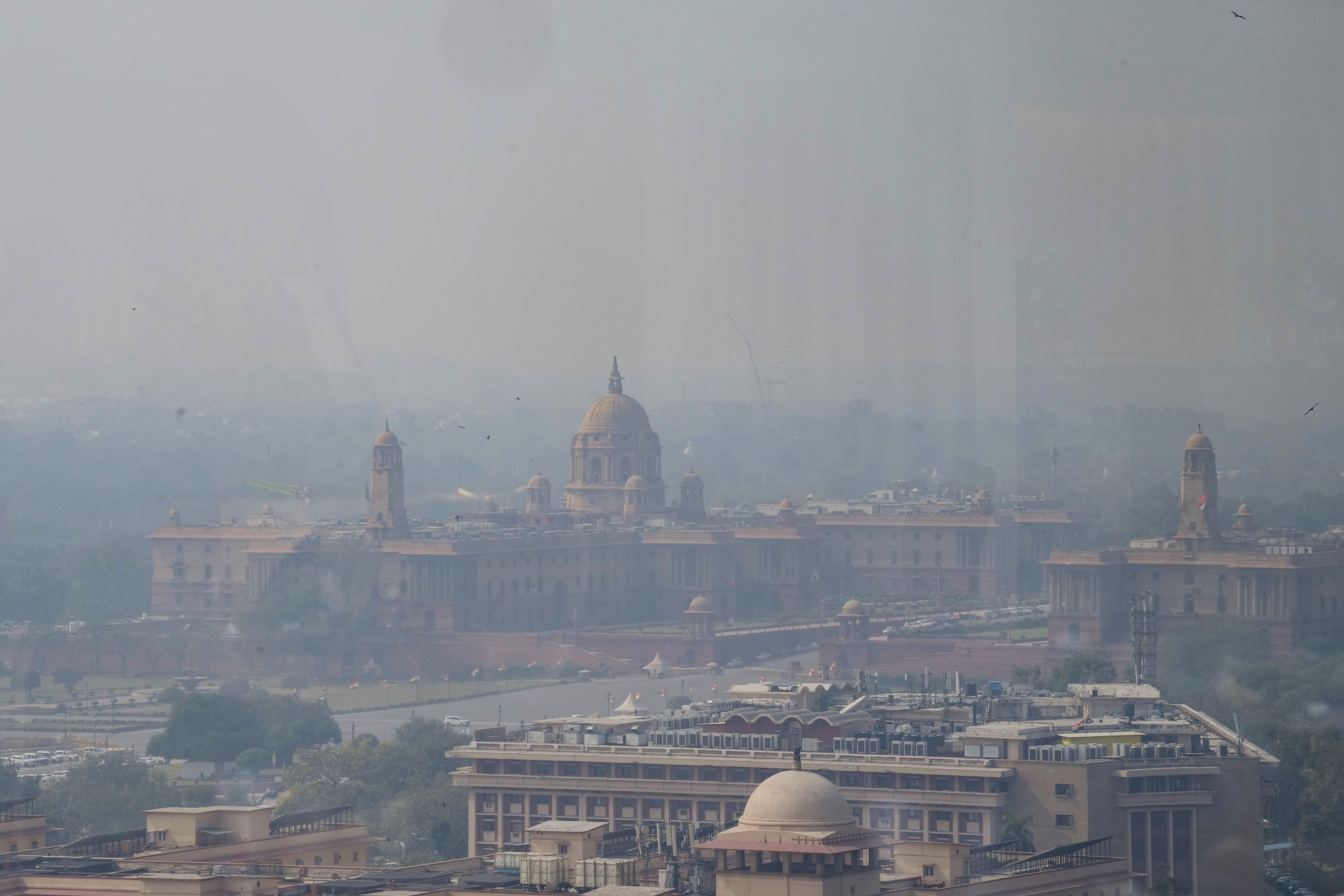
The Commission for Air Quality Management (CAQM) has reimposed Stage-1 restrictions under the Graded Response Action Plan (GRAP) across the Delhi-NCR region. This action follows a deterioration of air quality, with Delhi's Air Quality Index (AQI) recorded at 226, placing it within the 'poor' category. The unfavourable meteorological conditions are cited as a contributing factor to this decline. The plan, a structured framework of measures to combat rising pollution, was previously revoked on March 16 due to an improvement in air quality.
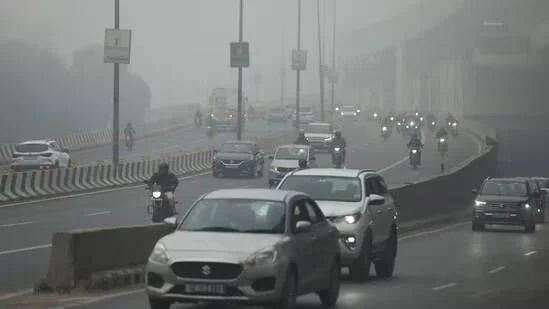
The invocation of GRAP Stage-I signifies a return to pre-emptive measures aimed at preventing further degradation of air quality. The plan outlines a multi-stage response system, with Stage-I becoming active when the AQI falls between 201 and 300. Higher AQI ranges trigger subsequent stages: GRAP-2 (301-400), GRAP-3 (401-500), and GRAP-4 (above 450).
Key Measures Under GRAP Stage-I Now in Effect:
The enforcement of GRAP Stage-I includes a suite of measures focused on controlling pollution at its source:
Read More: Amazon Land Use Changes Cause Disease Clusters in Brazil
Prohibition on Open Burning: The burning of waste, including garbage, biomass, and municipal solid waste, is strictly forbidden.
Construction and Demolition (C&D) Norms: Strict dust control measures are mandated at C&D sites. Private projects of 500 square metres or more are barred from operating without approved dust mitigation plans. Transportation of C&D materials and waste must now be done using covered vehicles.
Industrial and Vehicular Emissions: Strict action is directed against polluting industries and thermal power plants within a 300-kilometre radius of Delhi. Authorities are also tasked with taking action against visibly polluting vehicles, including impounding and imposing penalties.
Roadside Eateries and Commercial Kitchens: The use of coal or firewood by roadside eateries and commercial kitchens is now prohibited.
Older Vehicles Barred: Diesel vehicles older than 10 years and petrol vehicles older than 15 years are prohibited from operating on the roads of Delhi. This aligns with existing statutes and orders from the National Green Tribunal (NGT) and the Supreme Court.
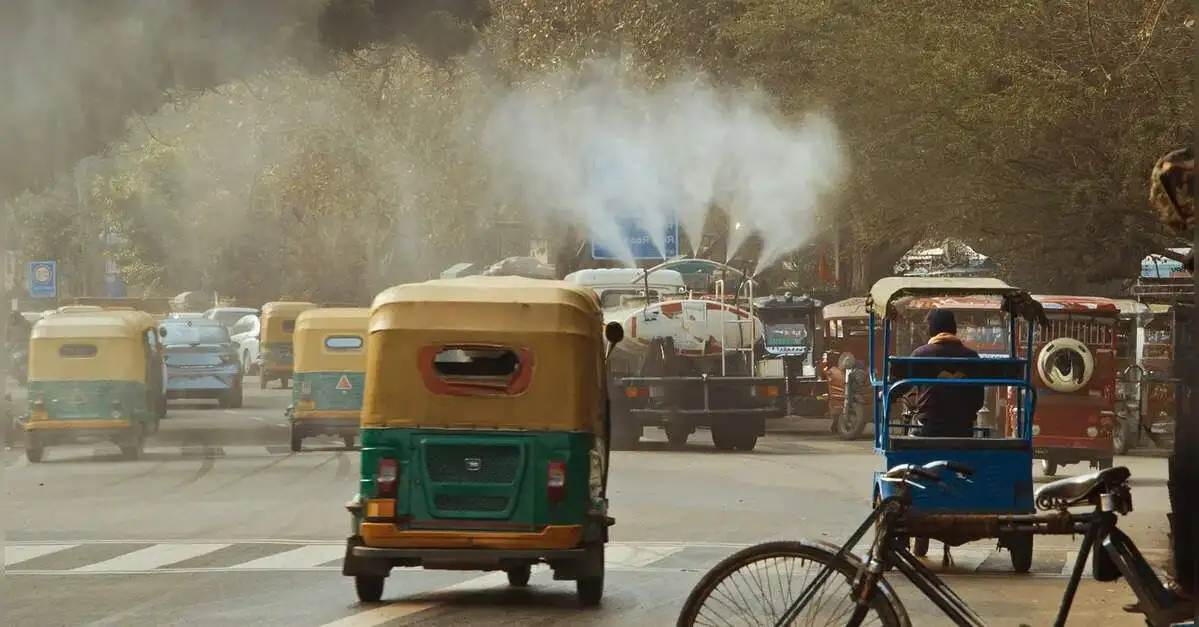
Dust Mitigation: Periodic mechanised sweeping and water sprinkling on roads are to be implemented, alongside intensified dust control efforts.
Traffic Management: Measures include deploying police personnel at key intersections and advising motorists to switch off engines at red lights.
Monitoring and Enforcement
The CAQM has directed all relevant agencies, including pollution control boards and the Delhi Pollution Control Committee, to monitor the implementation of these measures. Citizens are urged to cooperate and adhere to the prescribed guidelines.
Background
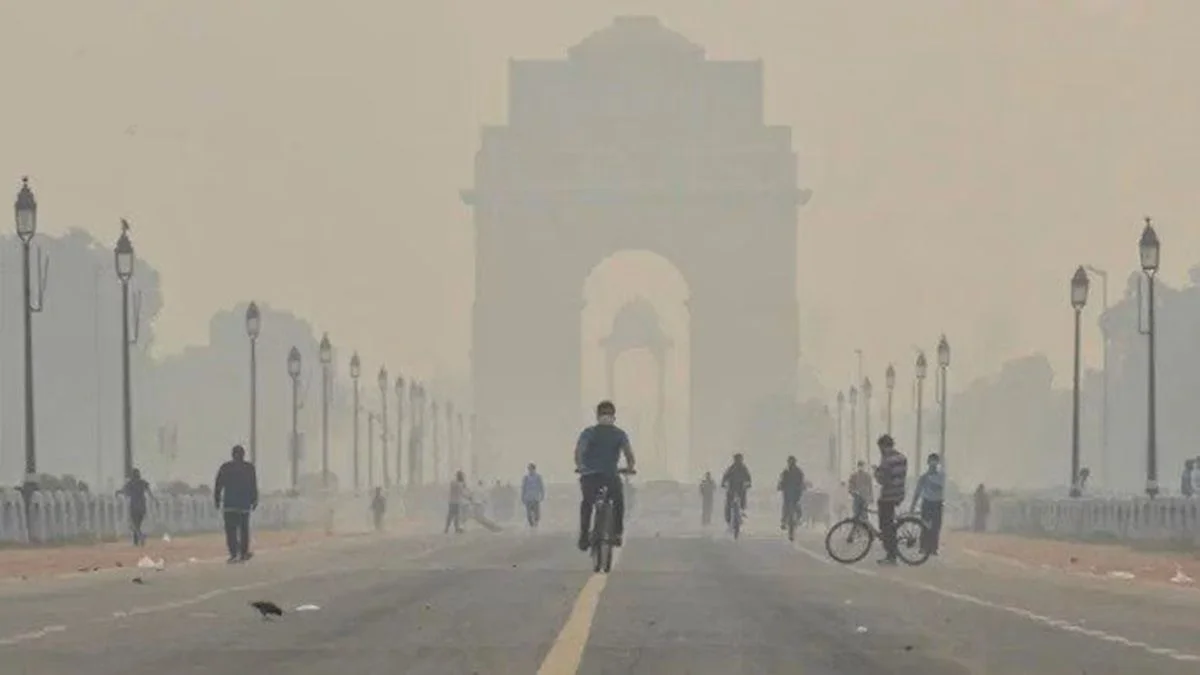
The Graded Response Action Plan (GRAP) is a systematic approach designed to tackle air pollution in the Delhi-NCR region. It operates in stages, with each stage corresponding to a specific level of air quality deterioration, as defined by the Air Quality Index (AQI). The AQI is a measure of air pollution that quantifies the level of harmful pollutants in the atmosphere. The current AQI reading of 226 falls within the 'poor' category, triggering the reintroduction of the initial set of restrictions after a period of relative improvement. The forecast indicates that the AQI is likely to remain in this category for the next couple of days.
Read More: Delhi Students Protest Education System Flaws on July 6