A newly engineered microbial strain exhibits accelerated growth in high-methanol environments, a development poised to bolster the economic viability of 'C1 biorefineries'. Researchers at UNIST have modified a microbial population to efficiently metabolize methanol, a single-carbon molecule, and convert it into valuable chemical byproducts. This advancement directly addresses a key hurdle in the practical application of biorefineries, which traditionally convert fossil fuel-derived materials into products like plastics and organic acids.

The engineered strain's capacity for rapid proliferation in concentrated methanol conditions – where typical strains are inhibited above a 1% concentration – represents a substantial departure from previous limitations. This allows for quicker development of such modified organisms, sidestepping slower, evolutionary adaptation processes. Professor Kim, a participant in the research, suggests this could lead to significantly reduced production costs and improved output in areas such as bioplastic and organic acid manufacturing, thereby rendering sustainable production methods more economically competitive.
Read More: Syngenis Labs uses AI to find new medicines faster in Perth
Underlying Mechanisms and Genetic Insights
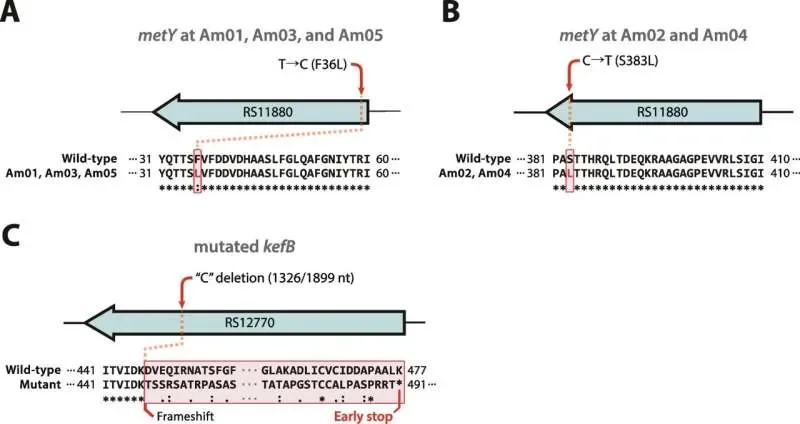
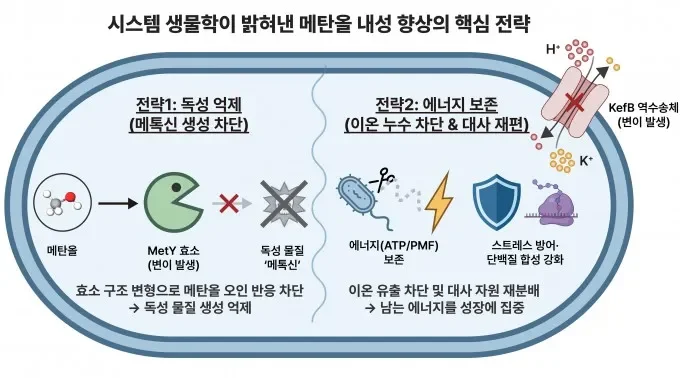
Further examination into the strain's enhanced resilience points to specific genetic modifications. Mutations within the 'metY' and 'kefB' genes appear central to the organism's improved tolerance and efficiency. The 'metY' mutation, for instance, has been observed to curb the production of methoxine, a detrimental byproduct generated during methanol metabolism. Concurrently, the 'kefB' mutation is implicated in optimizing the organism's cellular energy utilization.

Towards Sustainable Petrochemical Alternatives
The core concept of a 'C1 biorefinery' involves introducing single-carbon compounds, such as methanol, to microbial systems for the synthesis of chemicals and materials conventionally sourced from fossil fuels. This research provides a foundational technology for such biorefinery operations, bringing the prospect of producing petrochemical derivatives through biological means closer to reality. The speed at which engineered strains can now be developed bypasses the protracted periods previously required for evolutionary adaptation.
Read More: Why K-drama The Heirs remains popular in South Korea in 2026
Publication and Collaboration
This work has been detailed in the Journal of Biological Engineering under the title: "Integrated genomic and transcriptomic Insights into methanol tolerance mechanisms in Methylobacterium extorquens AM1, identifying key targets for strain engineering." Key contributors include Gyu Min Lee, Khoi Nhat Pham, and Ina Bang, among others, all affiliated with UNIST.