

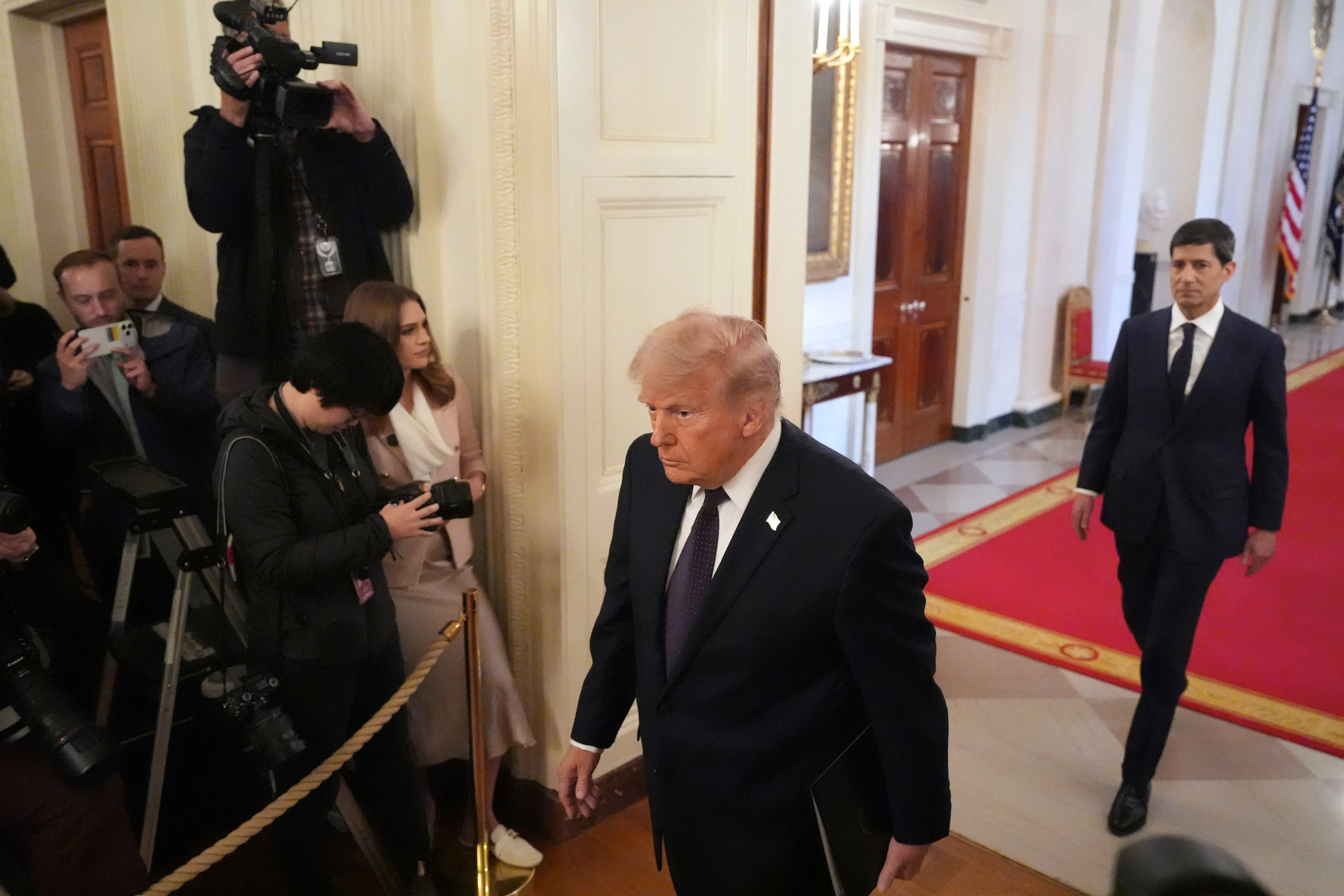
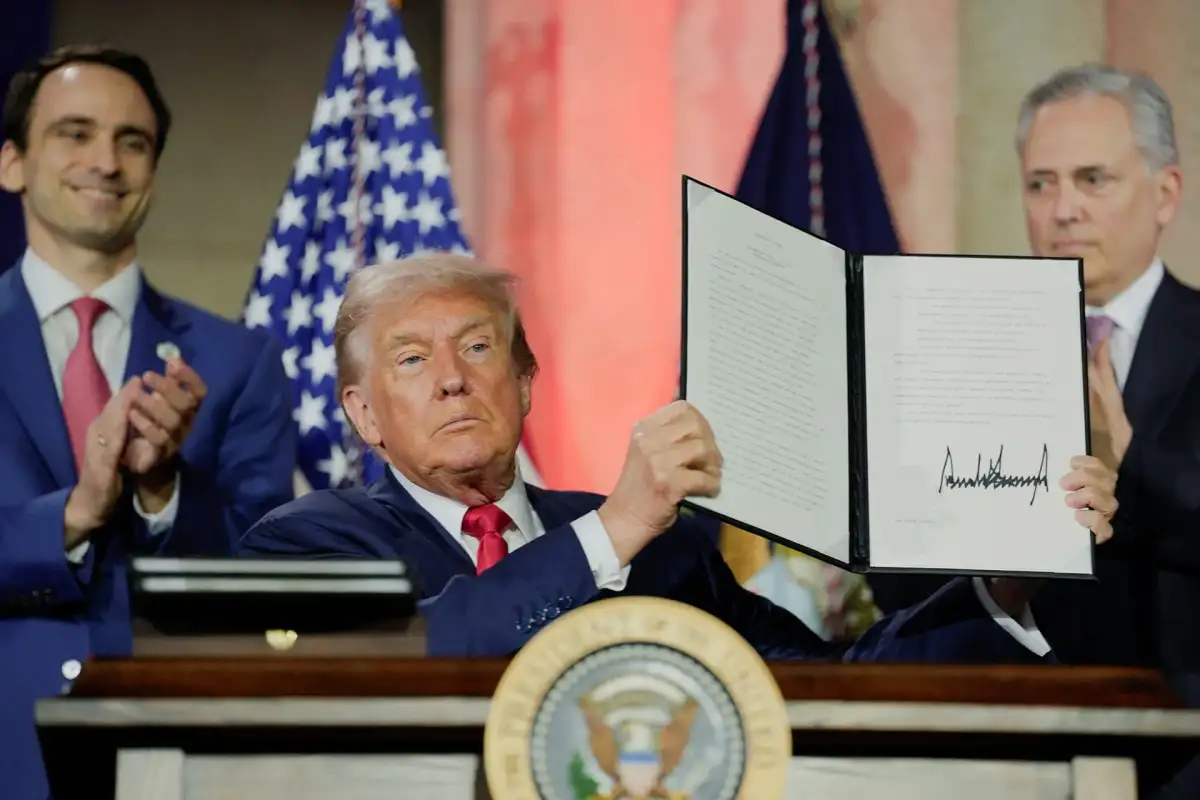
President Donald Trump has signed an executive order establishing a framework for artificial intelligence development, a move lauded by some tech executives but met with skepticism by those concerned about unchecked growth. The order, signed privately on June 2nd, emphasizes voluntary engagement between AI companies and the federal government for model reviews. This approach stops short of mandating safety evaluations or cybersecurity testing for advanced AI products, a departure from earlier proposed versions that reportedly included more stringent requirements.

The executive order directs federal agencies to take swift action to bolster the defenses of government and critical infrastructure systems against AI-driven cyber threats. It also establishes a system for the government to voluntarily review the most advanced AI models prior to their broader release. This pre-release collaboration is intended to identify potential security risks, with companies being asked to submit models for review up to 30 days before public deployment. The National Security Agency and Department of Defense are slated to assist in determining which AI models warrant government scrutiny, with the Treasury Department tasked with identifying vulnerabilities.
Read More: Chrome mimeHandler API lets extensions handle file types

This latest directive follows a pattern of cautious engagement with AI regulation by the Trump administration. An earlier attempt to sign a similar executive order was postponed last month due to concerns that existing regulations might hinder technological advancement and the United States' global AI competitiveness. AI companies, including those involved in shaping the order, have reportedly expressed reservations about longer review timelines, pushing for a faster release of new models amid intense competition.

A Voluntary Framework for AI
The executive order calls for AI developers to voluntarily submit their models for federal review. This process is designed to assess capabilities and potential security risks before a full public release. The administration aims to foster AI innovation while maintaining U.S. leadership in the field, a goal underscored by the desire to avoid "overregulating" the burgeoning industry. This strategy represents a shift from an approach focused on detailed oversight and risk mitigation toward one prioritizing deregulation and the promotion of AI innovation.
Read More: Acting DNI Pulte Fires Dozens of Intelligence Officials Starting Thursday
In contrast to previous administrations that explicitly addressed issues like AI-driven discrimination and bias, this executive order signals a move away from policies seen as impediments to AI development. It mandates an immediate review of existing directives and regulations that could potentially slow down AI innovation. While the order focuses on national security and maintaining global dominance, its implications for consumer protection and the broader societal impact of AI remain subjects of ongoing discussion.
Federal Policy Preemption and State Law
The executive order also addresses the role of state governments in AI regulation. It mandates the development of a uniform federal policy framework for AI that would preempt state laws conflicting with national policy. This move aims to create a streamlined, less burdensome national approach to AI governance, fostering a more predictable regulatory environment for developers. However, the policy carves out exceptions, stating that it will not propose preempting state laws related to child safety, AI compute and data center infrastructure, and state government procurement and use of AI.
Read More: BEREC Asks for Mobile Network API Ideas from Developers
The publication of this order comes at a time of rapid advancement in AI capabilities, with new models emerging on a timeline measured in months rather than years. The administration views this executive order as establishing an institutional framework to review these emerging "frontier AI systems." The tech industry, having experienced significant growth during the AI boom, has been instrumental in shaping the White House's stance on AI policy. This voluntary framework allows companies to engage with the government, with the government able to select "trusted partners" for early access to select models.
This executive order builds on previous actions, including a December announcement aimed at preventing states from enacting their own AI regulations. That prior effort led to the creation of a federal task force intended to challenge state-level AI laws. The current order seeks to centralize oversight and streamline the process, a move that some interpret as offering AI companies a relatively free pass on the extent of their compliance. The disappearance of a Department of Commerce announcement regarding AI companies sharing models with the government from the agency's website, reported last month, adds another layer of complexity to the evolving landscape of AI governance.
Read More: New York City Mamdani Administration Fights for 9/11 Records





