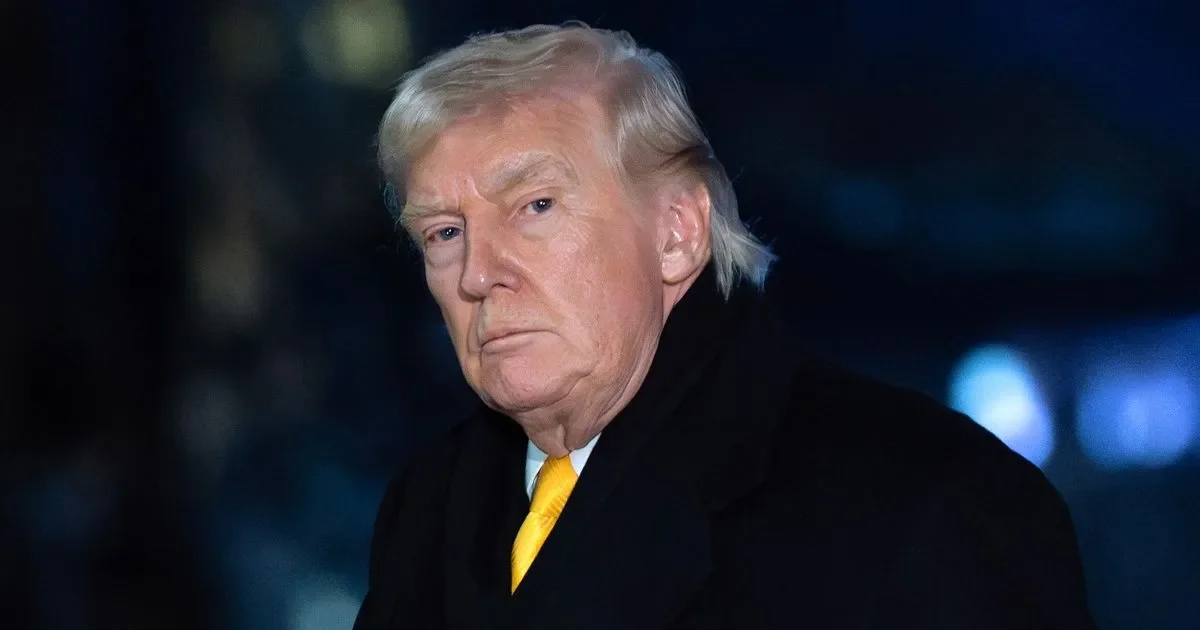
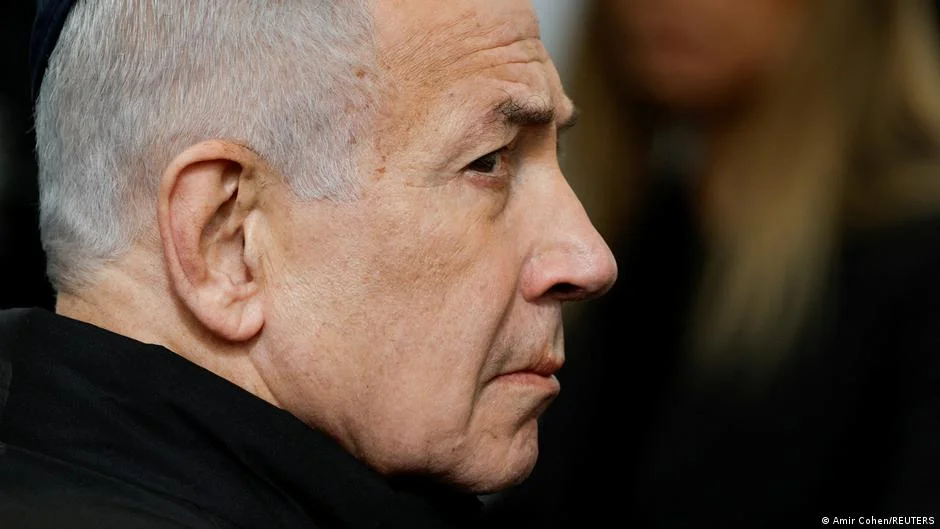
Prime Minister Benjamin Netanyahu is set to meet President Donald Trump in Washington this week. The discussions are expected to focus on the ongoing nuclear talks between the United States and Iran. Regional tensions remain high, with both Israel and Iran expressing strong positions regarding Iran's nuclear program, ballistic missiles, and regional activities. This meeting offers Netanyahu a platform to address Israel's security concerns directly with the U.S. president.

Background and Timeline
Recent U.S.-Iran Talks: On Friday, U.S. and Iranian officials held indirect discussions in Oman concerning Iran's nuclear program. Reports indicate these talks have returned to a foundational stage regarding the approach to discussions.
Netanyahu's Objectives: Prime Minister Netanyahu's visit aims to persuade President Trump to adopt a more stringent stance in negotiations with Iran. Key Israeli concerns include Iran's ballistic missile program and its support for regional militant groups. Israel's official position is that Iran is pursuing nuclear weapons, a claim Iran denies, stating its nuclear activities are for peaceful purposes.
U.S. Posture: President Trump has previously issued threats of military action against Iran, particularly following a crackdown on domestic protests. The U.S. has also demonstrated military presence in the region, deploying an aircraft carrier and warships.
Iran's Reaction: Iran's Foreign Ministry has voiced concerns that Netanyahu's visit could negatively impact diplomatic efforts, labeling it as having a "destructive influence" and being "detrimental to the region." Iran has also indicated that its missile program will not be part of any negotiations.
Evidence and Statements
"Prime Minister Benjamin Netanyahu is heading to Washington on Tuesday to encourage President Donald Trump to expand the scope of high-stakes nuclear talks with Iran." - Associated Press
"Israel also wants a halt to Iran's ballistic missile program and its support for militant groups in the region." - Associated Press
"Iran warns of 'destructive influence' over Netanyahu's visit… Iran's Foreign Ministry spokesperson warned that Netanyahu's visit would have a 'destructive' influence on diplomacy that is 'detrimental to the region'." - Livemint, citing AFP
"Netanyahu plans to present Trump with fresh intelligence on Iran’s military capabilities…" - CNN, citing an unnamed source
"Iranian officials ruled out putting the country's missiles, which make up one of the largest missile arsenals in the Middle East, up for discussion." - Sky News
Israeli Priorities in Negotiations
Prime Minister Netanyahu intends to convey specific concerns to President Trump during their meeting. These priorities reflect Israel's strategic outlook on regional security.
Read More: MDMK Wants More Seats to Get Official Recognition

Nuclear Program: Israel maintains that Iran is pursuing nuclear weapons and seeks the dismantling of its program.
Ballistic Missiles: A central point of discussion is expected to be Iran's development and possession of ballistic missiles, which Israel views as a significant threat.
Regional Influence: Israel also wants Iran to cease its support for groups considered militant or hostile by Israel and its allies.
Negotiation Scope: Netanyahu is seeking to broaden the agenda of U.S.-Iran talks beyond just the nuclear issue, to encompass these other areas of concern.
U.S. Approach and Regional Dynamics
The United States' engagement with Iran on the nuclear issue has been marked by both diplomatic overtures and assertive military posturing.
Threat of Force: President Trump has previously stated his willingness to use military force to achieve a deal with Iran, particularly in response to perceived escalations or provocations.
Military Presence: The deployment of naval assets to the region signals a readiness to respond to evolving circumstances.
Indirect Talks: The recent indirect talks in Oman highlight a continued U.S. effort to engage Iran diplomatically, albeit through intermediaries. The effectiveness and progress of these talks remain under scrutiny.
Iran's Stance and Counter-Warnings
Iran has consistently maintained its position on its nuclear activities and regional policies, while also voicing its opposition to Israeli influence on U.S. policy.
Read More: ICC Wants Cricket Leaders to Talk During India-Pakistan Match
Peaceful Nuclear Intent: Iran asserts that its nuclear program is solely for peaceful energy generation and does not include weaponization efforts.
Missile Program Autonomy: Tehran has firmly stated that its missile program is not subject to negotiation and is essential for its defense.
Diplomatic Disruption Warning: Iran's government has expressed apprehension that Netanyahu's meeting with Trump could undermine diplomatic channels and exacerbate regional instability.
Intelligence and Potential Military Actions
Reports suggest that Israel may present new intelligence to the U.S. regarding Iran's military capabilities.
Intelligence Sharing: Netanyahu is expected to share recent findings on Iran's military strength with President Trump.
Contingency Planning: Israel is reportedly preparing for scenarios where U.S.-Iran talks fail, potentially involving military options.
Past Interventions: It is noted that Israeli actions in June targeting Iranian facilities impacted previous U.S.-Iran talks, leading to U.S. demands to halt further strikes.
Expert Perspectives and Observations
"The leaders will meet this week… It’s unclear how much damage was done to Iran’s nuclear program." - Associated Press
"Israel remains skeptical that nascent negotiations between the U.S. and Iran will succeed, one of the sources said, but is pressing to ensure its interests are protected – as well as to preserve Israel’s freedom of military action under any potential agreement." - CNN
Conclusion and Implications
The upcoming meeting between President Trump and Prime Minister Netanyahu underscores the complex geopolitical landscape surrounding Iran. Netanyahu's objective is to leverage his relationship with Trump to secure a more robust U.S. stance against Iran's nuclear ambitions, ballistic missile program, and regional influence. Iran, conversely, views Netanyahu's engagement with suspicion and emphasizes its right to its defense capabilities. The resumption of indirect U.S.-Iran talks in Oman suggests an ongoing, albeit tentative, diplomatic process. The outcome of the Trump-Netanyahu discussions could significantly influence the trajectory of these broader regional diplomatic and security efforts.
Read More: Gen Z's Big Test: Can Young Voters Change Bangladesh?
Sources Used:
Associated Press (AP): Provided initial reports on the meeting, Netanyahu's agenda, and the context of U.S.-Iran talks.
PBS NewsHour: Detailed the Israeli perspective on the meeting's purpose, including Israel's specific demands regarding Iran's missile program and regional activities.
Livemint: Reported on the meeting announcement and included Iran's critical response to Netanyahu's visit, highlighting concerns about "destructive influence."
CNN: Focused on potential military aspects of the discussion, Israeli skepticism about negotiations, and the sharing of intelligence.
Link: https://www.cnn.com/2026/02/10/middleeast/netanyahu-visit-washington-iran-talks-intl
Sky News: Mentioned the recent U.S.-Iran indirect talks and Iran's firm stance against including its missile program in discussions.
Link: https://news.sky.com/story/trump-and-netanyahu-to-meet-for-iran-discussions-13504734
Deutsche Welle (DW): Provided context on Netanyahu's travel to the U.S. as Iran negotiations loom. (Content was minimal for detailed extraction, noted as "Low Priority").
Link: https://www.dw.com/en/israel-netanyahu-heads-to-us-as-iran-negotiations-loom/a-75890862
Read More: Ships in [Name of Waterway] Have Close Call; Nations Blame Each Other

)