Federal plans to rein in National Disability Insurance Scheme (NDIS) growth have triggered significant apprehension, with New South Wales Premier Chris Minns estimating that roughly a third of the 160,000 individuals facing removal from the scheme will reside in his state. Minns has indicated that NSW cannot provide equivalent support for these individuals.
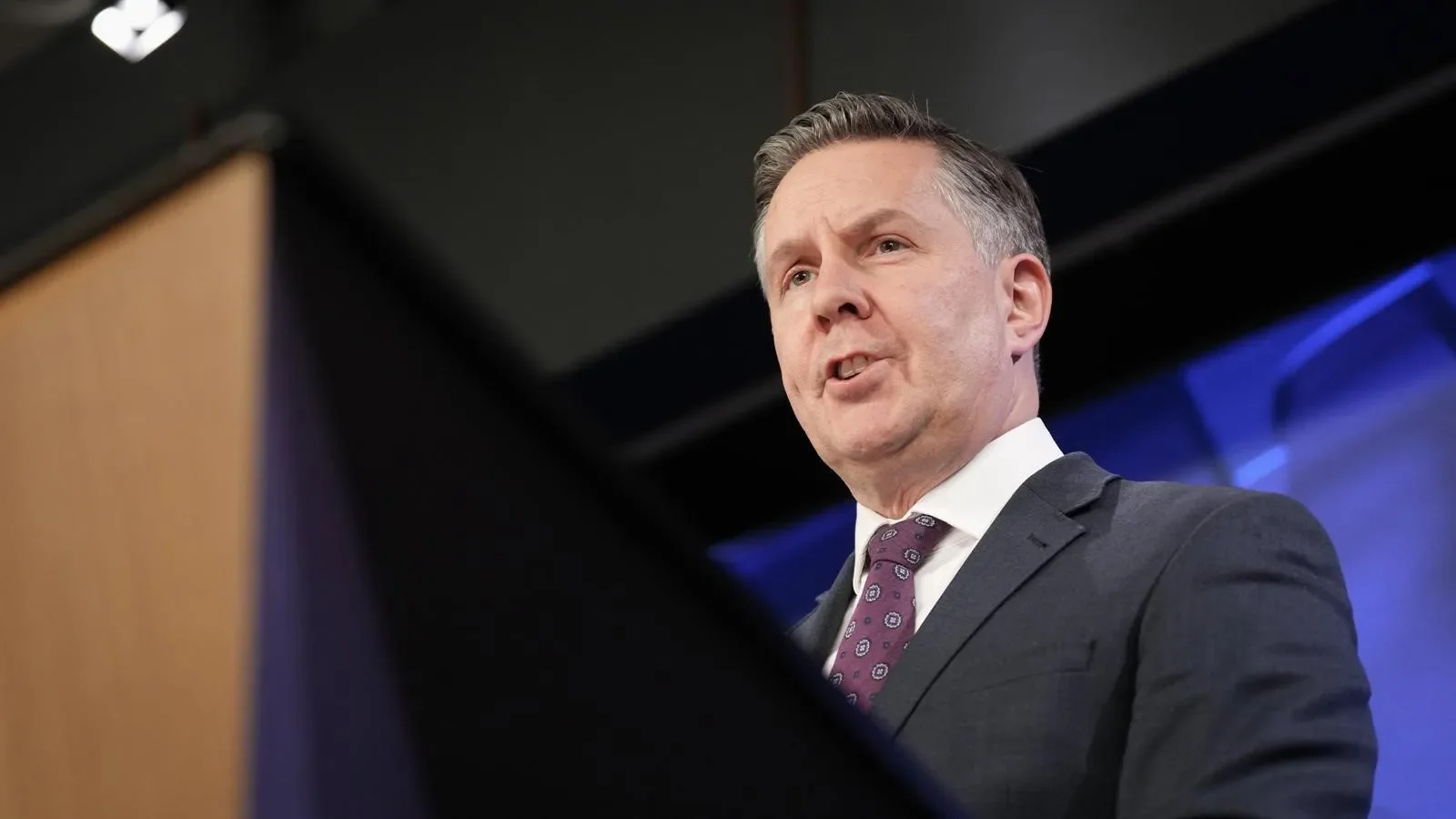
The core of the NDIS changes revolves around eligibility adjustments, leading to planned cuts that the government states are necessary to manage the scheme's escalating costs and projected growth. This overhaul, championed by Health Minister Mark Butler, is framed by the government as a necessary measure to ensure the scheme's long-term sustainability.
State Concerns Mount Over Participant Displacement
Minns' pronouncements highlight a deepening rift between federal and state governments. He previously voiced concerns about a potential "rude shock" regarding NDIS and hospital funding arrangements, emphasizing the need for federal certainty on hospital funding before states commit to broader NDIS reforms. This suggests a broader dispute over financial responsibilities and service delivery, particularly as pressure mounts on both the NDIS and public hospital systems.
Read More: Disability Recommendations Progress Slow, Advocates Say
Eligibility Changes and Participant Experiences
The federal government's strategy, detailed in part by Mark Butler, involves a "two-stage process" aimed at re-evaluating eligibility criteria. While the government claims the new planning framework is a "win for participants," evidence from participants and advocacy groups paints a different picture. Reports from organizations like 'Advocacy for Inclusion' detail instances of significant reductions in essential supports, including physiotherapy, support coordination, and psychological services, sometimes based on what participants describe as inadequate documentation reviews or disregard for professional advice.
One specific area of concern has been the planned removal of children with autism from the NDIS, a move flagged in earlier reports as part of efforts to control scheme growth. The National Disability Insurance Agency (NDIA) has stated that the new assessment process will not prioritize evidence from treating professionals. Furthermore, a subtle legislative amendment reportedly grants the agency's chief executive the power to decrease support plans without requiring new assessments, a move that has raised eyebrows.
Read More: NSW ICAC Operation Rosny: Bribery Hearings Start April 7
Broader Implications and Systemic Pressures
The debate extends beyond just the NDIS. The push to "contain NDIS growth" comes amidst recognition that individuals with disabilities not currently on the NDIS also have substantial support needs. Experts suggest that without adequate "foundational supports," there's a risk of increased pressure on the NDIS and a failure to adequately support those outside its direct purview. This points to a wider challenge of coordinating support services across health, disability, and aged care sectors, which are already contending with workforce pressures.
The federal government’s stated aim is to clarify eligibility and streamline the scheme, acknowledging that the policy was "poorly designed" in its initial stages. However, the practical implications of these changes for individuals who rely on NDIS support remain a significant point of contention, with ongoing discussions and potential political maneuvering anticipated as the states grapple with the federal directive.
Read More: Damien Tudehope resigns from NSW Liberal frontbench on 6 April 2026