Chicago, IL - The outcome of the recent NBA Draft Lottery, held on May 10, 2026, carried significant weight for numerous franchises, potentially altering their trajectories for years to come. While the specifics of which teams benefited most from the draw remain central to ongoing discussions, the event itself underscores a period of intense strategic maneuvering within the league. A substantial portion of the 14 eligible teams, it is argued, appeared to deliberately court less favorable records specifically to gain entry into this lottery, a testament to the perceived value of the top draft selections.
The NBA is reportedly exploring a significant overhaul of its draft lottery system, with proposals aimed at discouraging intentional losing and incentivizing on-court competitiveness, particularly in the latter half of the season. One such proposal suggests a tiered system where teams with the absolute worst records would possess fewer lottery balls, effectively lowering their chances of securing the top pick, while simultaneously establishing a higher floor for their selection position. This structural shift, if implemented, could fundamentally alter the calculus for teams navigating the end of their regular seasons.
Read More: FIFA World Cup 2026 Revenue Reaches $15 Billion With New Ticket Prices

The perceived value of the top draft pick, particularly the chance to select a player with the potential to be a franchise cornerstone, is immense. This year's draft class features prospects like AJ Dybantsa from BYU, whose development in perimeter shooting is seen as a critical factor in his professional future. Scouts are observing his athletic capabilities and defensive growth, with pre-draft workouts serving as a key opportunity for teams to further assess his readiness and potential impact.
Several teams find themselves in particularly precarious positions. The Los Angeles Clippers, for instance, viewed this lottery as a pivotal moment to inject new talent following a mid-winter strategic adjustment that involved trading players like Zubac and James Harden. Without a favorable outcome, they face an extended period of waiting for future opportunities. Similarly, other franchises, such as those involved in the conveyance of draft picks like the Indiana Pacers (potentially to the Clippers) and the New Orleans Pelicans (to Atlanta or Milwaukee), are keenly aware of how the lottery results impact their own asset management and future planning.
Read More: Caitlin Clark Speaks Out on WNBA Player Threats and Back Injury
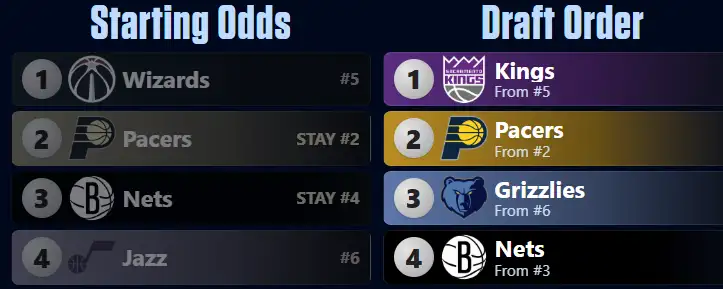
The Washington Wizards, despite finishing the season with the league's worst record at 17-65, were not guaranteed the top selection, a recurring theme in lottery history where perceived disadvantage does not always translate to ultimate advantage. The NBA has seen instances of significant jumps in the past, such as the Dallas Mavericks moving up 10 spots to secure the No. 1 pick in the previous year and the Atlanta Hawks leapfrogging nine positions two years prior. These past events fuel both the obsession surrounding the lottery and the speculation about its inherent fairness and potential for manipulation.
The structure of the lottery itself has seen adjustments. Recent changes have expanded the number of teams involved in the draw to four, imposing limitations on how far the top seeds can fall in the selection order. Prior to the draw, combinations are meticulously assigned to the 14 participating teams, with a small number of combinations held in reserve. The actual drawing process involves representatives from these teams gathering in a secure room.
Read More: England World Cup Match: Pubs Open Until 5 AM Monday
The implications extend beyond the immediate draft selection. The prospect of acquiring a player deemed "worth $100 million" highlights the financial stakes involved, with the No. 1 pick granting teams the power to address immediate needs without compromising on talent acquisition. The upcoming NBA Draft, with Round 1 scheduled for June 23rd and Round 2 on June 24th, is thus positioned as a critical event following the lottery's conclusions.