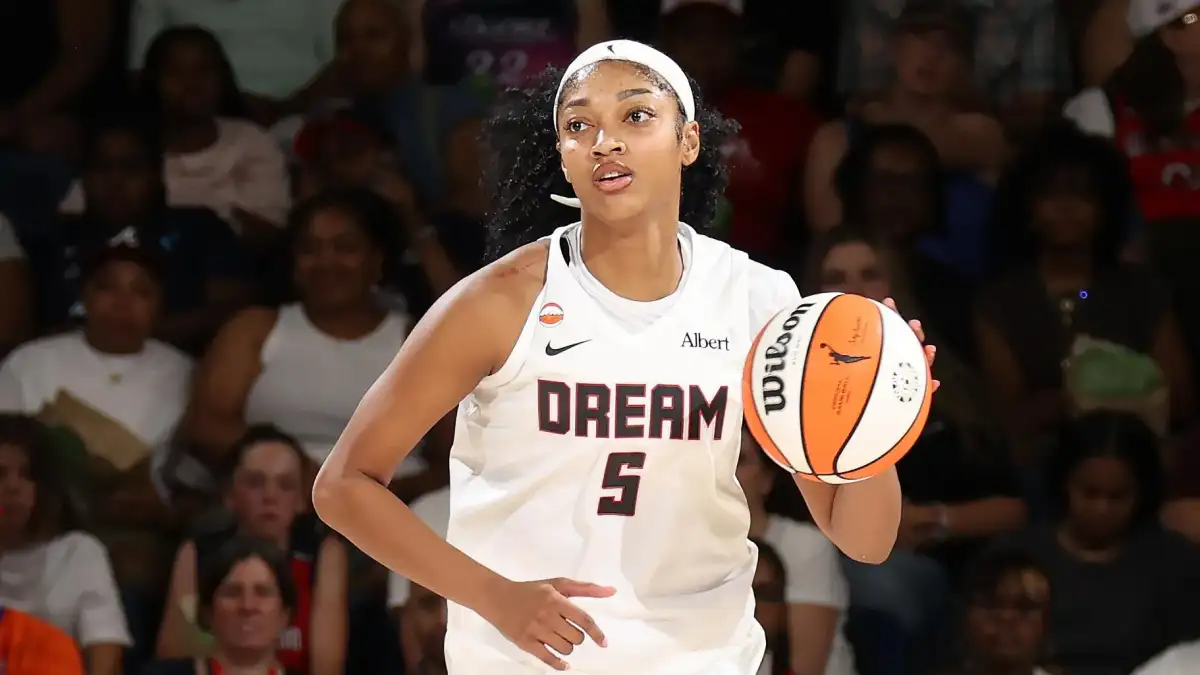
As of July 6, 2026, the Atlanta Dream occupy a position at the top of the Eastern Conference with a 12-8 record, yet the franchise remains entirely unrepresented in the announced WNBA All-Star starting lineup. The omission has triggered public criticism from Angel Reese, who described the selection process as "disrespectful" toward her teammates, specifically veteran guards Rhyne Howard and Allisha Gray.

Core voting mechanics rely on a weighted system—combining fan ballots, player votes, and media tallies—which currently prioritizes established popularity over team success or top-tier defensive output.
Statistical Standing vs. Selection Outcome
The absence of Dream players in the starting roster stands in contrast to the individual performance metrics of the team's key contributors.
| Player | Key Metric | League Standing |
|---|---|---|
| Angel Reese | 11.6 Rebounds/Game | #1 League Leader |
| Rhyne Howard | 2.5 Steals/Game | #1 League Leader |
| Allisha Gray | Scoring / 3PT Shooting | Top 15 League |
Angel Reese finished seventh among frontcourt players, missing the starting cut despite holding a league-leading rebounding average and a consistent double-double production rate.
Rhyne Howard secured high favor in player-only voting (ranking second among guards) but suffered a lower final weighted score due to fan-vote disparity.
Allisha Gray placed sixth among guards, narrowly missing the threshold required for a starting designation.
Critical Perspectives on the Process
"For those two [Howard and Gray], I think they work so hard and they put a lot of work in, and the way that they're guarded every game and they [have to] adjust. I’m just [defending] them because they won't say anything." — Angel Reese
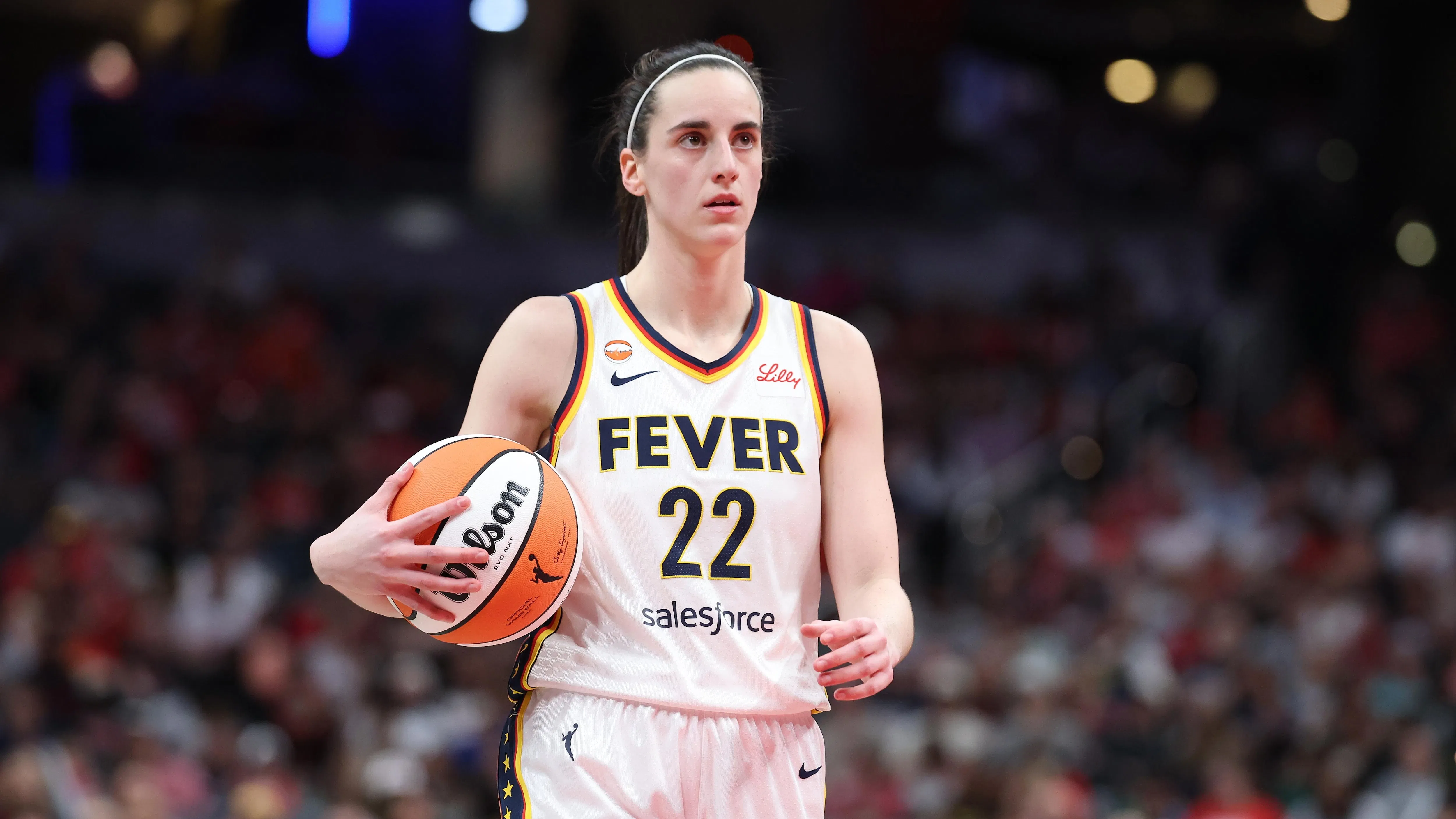
The reaction highlights a growing friction within the WNBA between performance-based merit and the commercial weighting of the fan-vote model. While Reese explicitly stated she does not object to the individual players who were selected, she argued that the collective exclusion of a conference-leading team reflects a systemic disregard for defensive efficiency and consistent output compared to high-visibility stars from other organizations, such as the Indiana Fever.
Read More: FIFA World Cup 2026 Revenue Reaches $15 Billion With New Ticket Prices
Contextual Background
The WNBA All-Star selection criteria utilize a 50/25/25 percentage split: 50% for fan voting, 25% for current player voting, and 25% for a media panel. Critics of the current model point to the "botched" nature of this specific cycle, where the dominance of fan-driven narratives—bolstered by significant social media mobilization—appears to have marginalized players who excel in defensive win shares and team-centric metrics.
While Reese, Howard, and Gray remain likely candidates to be named as reserves, the exclusion from the starting five signals a shift in the All-Star landscape where institutional rankings are increasingly superseded by fan-base size and digital engagement.
Read More: Caitlin Clark Speaks Out on WNBA Player Threats and Back Injury