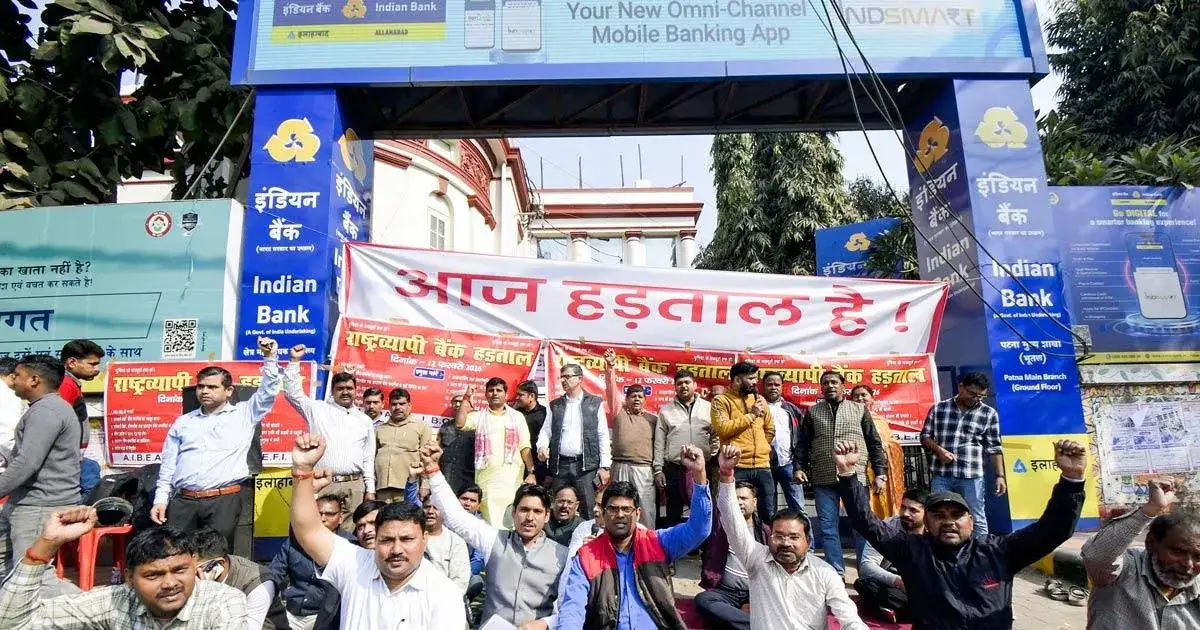
A broad coalition of trade unions and farmer organizations has announced a nationwide strike, referred to as a "Bharat Bandh," scheduled for February 12. The primary catalysts for this widespread industrial action are the government's new labor codes and a recently agreed-upon interim trade agreement between India and the United States. Union leaders contend that these policies disproportionately benefit capitalists and pose a threat to the economic stability, agricultural sector, and national sovereignty of India. The proposed strike is expected to impact essential services across various sectors, including banking, public and private establishments, and educational institutions.
Workers and Farmers Mobilize for February 12 Action
Multiple central trade unions, including INTUC, AITUC, and CITU, have united to call for the February 12 strike. This unified front represents a significant portion of India's organized labor force. They assert that the four new labor codes – the Code on Wages, the Industrial Relations Code, the Social Security Code, and the Occupational Safety, Health and Working Conditions Code – are detrimental to workers' rights.
Read More: Indian Shooter Aishwary Pratap Singh Tomar Wins Gold
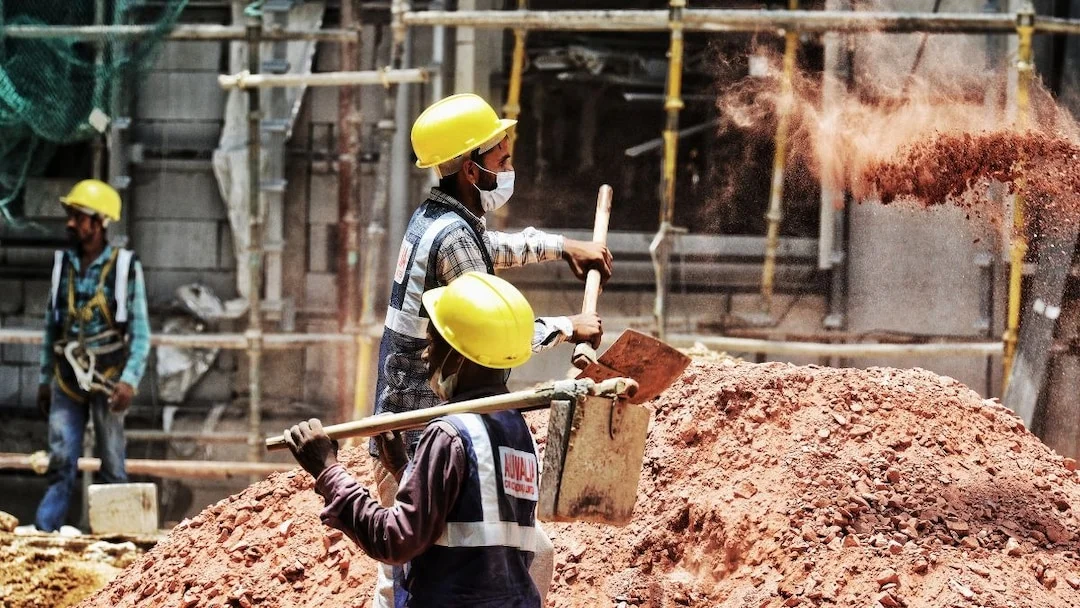
Labor Code Opposition: Union representatives, such as Ashok Barki, district president of the Trade Union Coordination Centre, have publicly criticized these codes, stating they are implemented to favor capitalists.
Broader Policy Concerns: Beyond the labor codes, the strike also addresses concerns over proposed and existing policies impacting workers and farmers. Article 4 highlights a decision to allow 100% foreign direct investment in the insurance sector as another point of contention.
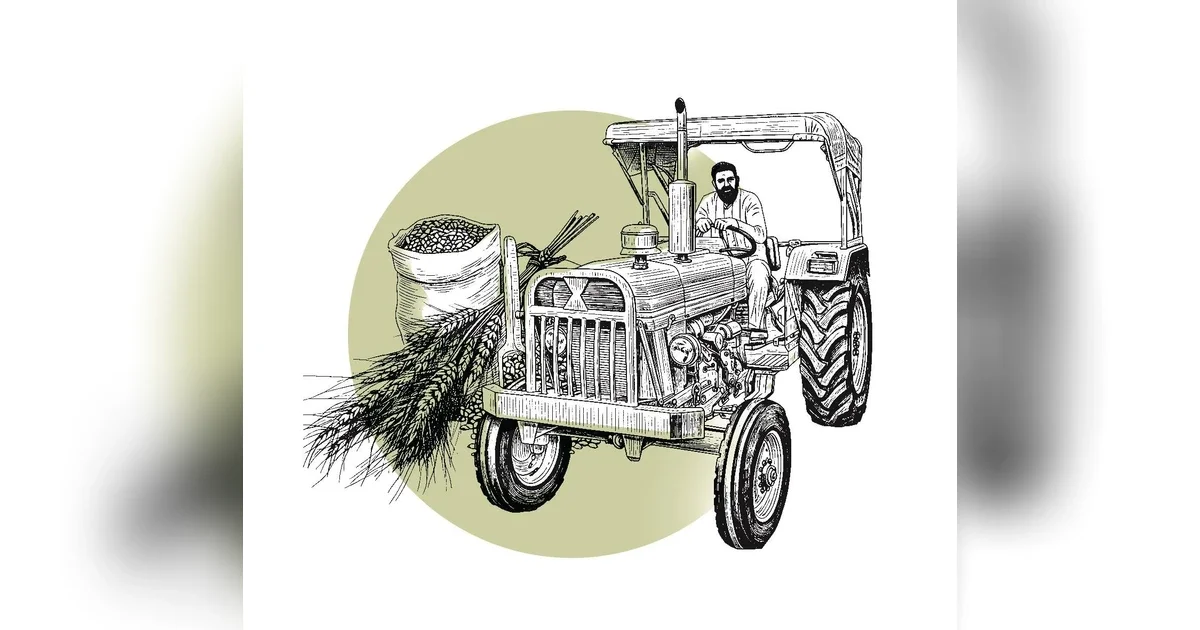
Farmer Union Involvement: Farmer organizations, including the Samyukta Kisan Morcha (SKM) and its various factions, have also declared their intention to protest on February 12. Their focus is on opposing the India-US trade deal, which they believe could negatively affect Indian agriculture and the dairy sector.
Grievances Detailed by Union Leadership
Union leaders have articulated specific grievances fueling the strike. The implementation of the four new labor codes is central to their protest.
Read More: India Says US Trade Paper Changes Match What Was Agreed
"The labour codes are being implemented to benefit capitalists." - Ashok Barki, district president, Trade Union Coordination Centre.
The call for the strike was formally ratified at a National Workers' Convention. Detailed plans of action were to be finalized at this meeting, indicating a coordinated effort.
Scope of Support: The strike has garnered support from various federations, including banking unions like the All India Bank Employees' Association (AIBEA) and the Bank Employees Federation of India (BEFI). The National Coordination Committee of Electricity Employees and Engineers (NCCOEEE) has also extended support.
Exclusion: Notably, the Bharatiya Mazdoor Sangh (BMS) is not part of the joint forum of central trade unions organizing the strike.
India-US Trade Deal Sparks Farmer Backlash
The interim trade agreement between India and the US has become a significant point of contention for farmer organizations. They argue that the deal could compromise India's agricultural interests.
Read More: India's January Inflation Rate is 2.75% with New Measuring System
Deal Details: The agreement aims to boost bilateral trade by reducing import duties on various goods.
Farmer Concerns: Farmer leaders express apprehension that while the government claims to protect agricultural interests, the joint statement with the US indicates discussions on resolving non-tariff barriers for American agricultural and food products.
Allegations: The Communist Party of India (Marxist) has voiced concerns that the government has made "sweeping concessions" to the US, potentially jeopardizing India's economy and agricultural sector.
Government Stance: Union Ministers Piyush Goyal and Shivraj Singh Chouhan have asserted that India's farmers' interests have been safeguarded in the trade agreement.
Anticipated Impact and Preparations
Trade unions anticipate a substantial participation in the strike, with claims of up to 30 crore workers potentially joining. Extensive campaigns have been conducted across states, targeting government, public, and private sector establishments, as well as rural and urban populations.
Read More: Nationwide Strike Had Small Effect in Most Places

Sectoral Disruptions: Banking operations are expected to be significantly affected, with major banking federations joining the strike.
Regional Impact: Unions predict a complete shutdown in states like Odisha and Assam, with considerable impact in other regions.
Educational Institutions: In Kerala, schools and colleges are likely to remain closed as teachers and students join the protest.
Farmer Protests: Farmers' bodies are planning large-scale demonstrations across the country to coincide with the strike.
Conflicting Perspectives on Government Policies
The strike highlights a clear divergence between the government's policy objectives and the demands of labor unions and farmer organizations.
| Issue | Union/Farmer Stance | Government Stance |
|---|---|---|
| Labor Codes | Anti-worker, implemented to benefit capitalists. Demand for repeal. | Aims to simplify regulations and improve ease of doing business (implicit). |
| India-US Trade Deal | Threatens Indian agriculture and national sovereignty; demands safeguards. | Asserts farmers' interests are protected; aims to boost bilateral trade. |
| Foreign Investment | Concerned about 100% FDI in insurance, viewing it as an attack on domestic interests. | Focuses on economic growth and attracting foreign capital (implicit). |
Expert Analysis and Observations
While direct expert commentary from the provided text is limited, the unified call for a nationwide strike by multiple trade unions and farmer groups suggests a deep-seated dissatisfaction with current government policies. The breadth of issues — from labor rights to agricultural trade — indicates a complex interplay of economic and political factors driving this industrial action. The potential disruption to essential services underscores the significant leverage these organized groups wield. The differing perspectives on the India-US trade deal and labor codes point to ongoing policy debates with substantial implications for various segments of the Indian economy.
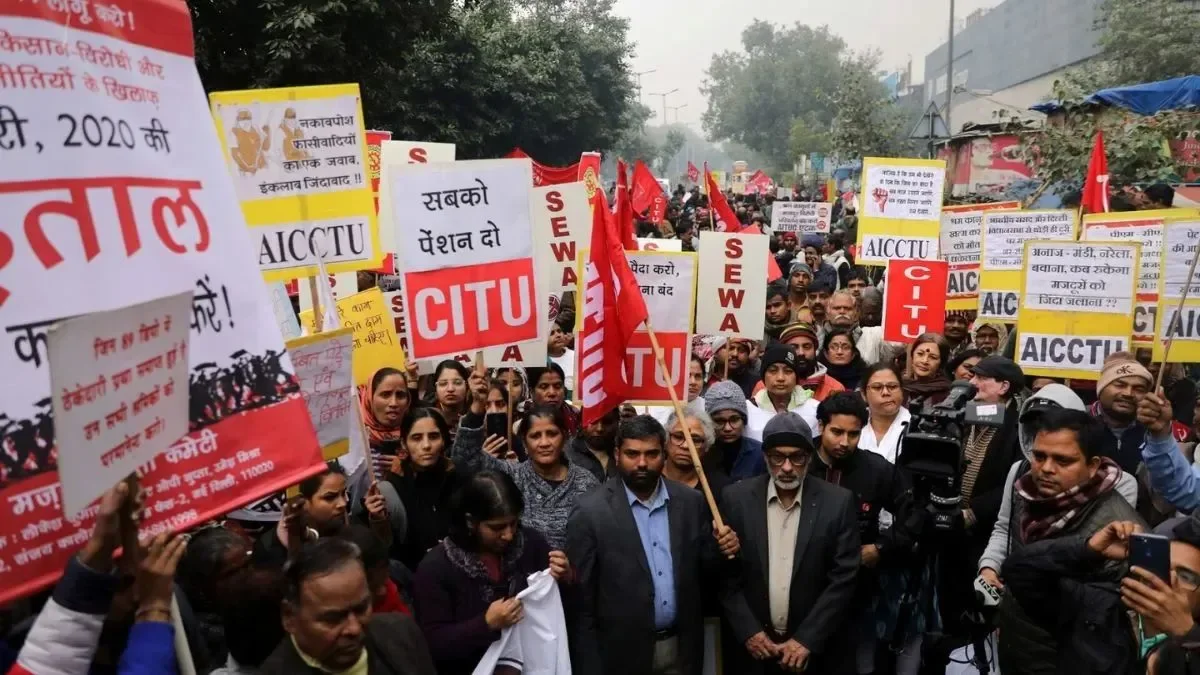
"The government has made sweeping concessions to the US, posing a threat to India’s economy, agriculture, and national sovereignty." - Communist Party of India (Marxist) statement.
Conclusion and Next Steps
The planned February 12 nationwide strike is a significant manifestation of organized labor and farmer dissent against the current government's policies. The convergence of demands related to the new labor codes and the India-US trade agreement underscores a shared apprehension about the direction of economic reforms. The unions have engaged in extensive preparations, indicating a serious intent to disrupt normal operations across various sectors.
The government has reiterated its stance that its policies are in the best interest of the nation and its citizens. However, the broad support for the strike, including from banking and other key sectors, suggests that the government may face considerable pressure. The impact of the strike on essential services and the economy will be a critical indicator of the success of the mobilization.
The next steps would involve monitoring the actual participation on February 12, observing any government responses or counter-measures, and noting any further developments in the ongoing dialogue or conflict between the unions, farmer groups, and the administration.
Sources Used:
The Hindu: Trade unions call for strike on February 12.
Published: 5 minutes ago
Context: Reports on the specific union leaders involved and their criticisms of labor codes.
Economic Times: Nationwide strike on Thursday to see 30 crore workers participation: Trade Unions.
Published: 23 minutes ago
Context: Details the expected participation numbers and the broad support from various sectors and common citizens.
Business Standard: Farmers' bodies slam govt over India-US deal, announce protest on Feb 12.
Published: 19 hours ago
Context: Focuses on farmer organizations' opposition to the India-US trade deal and links it with the strike call.
Business Today: 'If labour codes are not repealed, we will take strong actions': Trade unions announces nationwide strike on Feb 12.
Published: Dec 23, 2025
Context: Mentions the formal ratification of the strike at a National Workers’ Convention and other concerns like FDI in insurance.
The Daily Jagran: Bharat Bandh On Feb 12: Trade Unions Call For Nationwide Strike Over New Labour Codes; Check Services Affected, Key Demands.
Published: 6 days ago
Context: Identifies the 10 Central Trade Unions (CTUs) and lists the four labor codes being opposed, also mentioning support from banking federations.
Times Now News: Farmer Outfits Call for Large-Scale Protests on Feb 12 Against India-US Trade Deal.
Published: 1 day ago
Context: Details farmer organizations' criticism of the India-US trade deal and their call for protests.
The Hindu Business Line: Nationwide strike planned in February against labour codes, nuclear and rural job laws.
Published: Dec 23, 2025
Context: Describes the joint platform of central trade unions and mentions support from SKM and NCCOEEE. Notes BMS's exclusion.
English Mathrubhumi: Nationwide strike on Feb 12: Schools, colleges in Kerala likely to shut as teachers, students join.
Published: 1 day ago
Context: Reports on the expected disruption in Kerala and the reasoning behind calling the labor codes "anti-worker."
Moneycontrol: Farmer unions announce nationwide protests on Feb 12 against India-US trade deal.
Published: 1 day ago
Context: Reinforces the farmer unions' protests against the India-US trade deal on February 12.