Oakland, California - OpenAI CEO Sam Altman testified Tuesday, telling a federal jury that co-founder Elon Musk sought "total control" over the artificial intelligence company, even proposing that its leadership should pass to his children upon his death. Altman recounted this as part of Musk's civil lawsuit challenging OpenAI's corporate restructuring.
Altman asserted that Musk’s vision for OpenAI included becoming a subsidiary of Tesla, his electric vehicle company, and that Musk believed he alone could make the necessary decisions for the organization's long-term success. This desire for control, Altman stated, was a significant point of contention, as he, along with fellow co-founders Greg Brockman and Ilya Sutskever, believed such a concentrated power structure would undermine OpenAI's mission.

Altman's testimony paints a picture of Musk as a leader who "felt very strongly that if we were going to form a for-profit, he needed to have total control over it initially." This was reportedly driven by Musk's assertion that "he was 'only going to work on companies that he could control.'" Altman, drawing from his experience with accelerators like Y Combinator, was reportedly dismissive of such a demand, understanding that founders with control rarely relinquish it.
Read More: MLB Labor Talks Start: Salary Cap Is Big Issue
The Foundation of the Dispute
The trial, now in its third week, centers on Musk's lawsuit alleging that OpenAI breached its charitable trust by shifting to a for-profit model. OpenAI maintains that Musk advocated for a for-profit structure himself and initiated legal action only after failing to secure control of the organization.
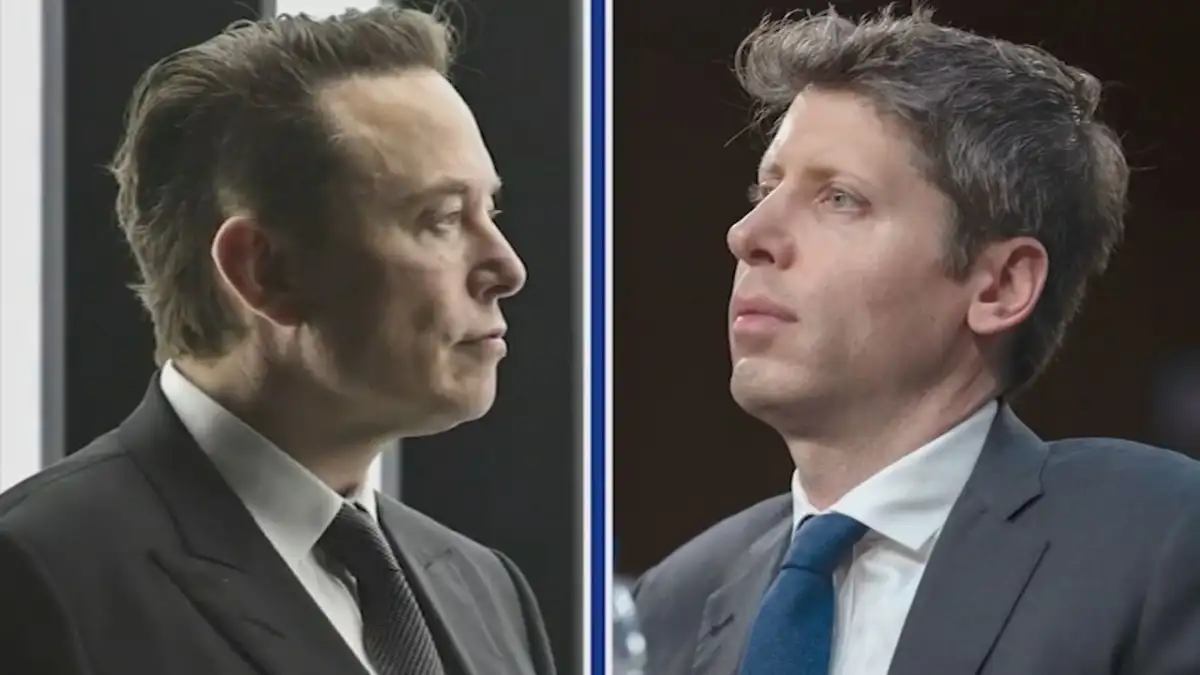
Altman's account directly counters claims made by Musk's legal team, who have attempted to portray Altman as deceptive and self-serving. Ilya Sutskever, a key figure in Altman's temporary ousting, testified earlier in the trial, presenting months of evidence he claimed detailed Altman's alleged pattern of deception and poor management. Altman, however, dismissed these allegations and testified that Musk's departure from OpenAI was, in fact, a "morale boost" for some researchers.
Control, Ambition, and Early Days
Musk's proposed succession plan, where control would transfer to his children, emerged during discussions about the implications of a for-profit structure. Altman recounted a moment where co-founders questioned what would happen upon Musk's death if he held such control, with Musk's response reportedly being, "…maybe it should pass to my children."
Read More: 25 Poly Students Join Aerospace Training in Visakhapatnam
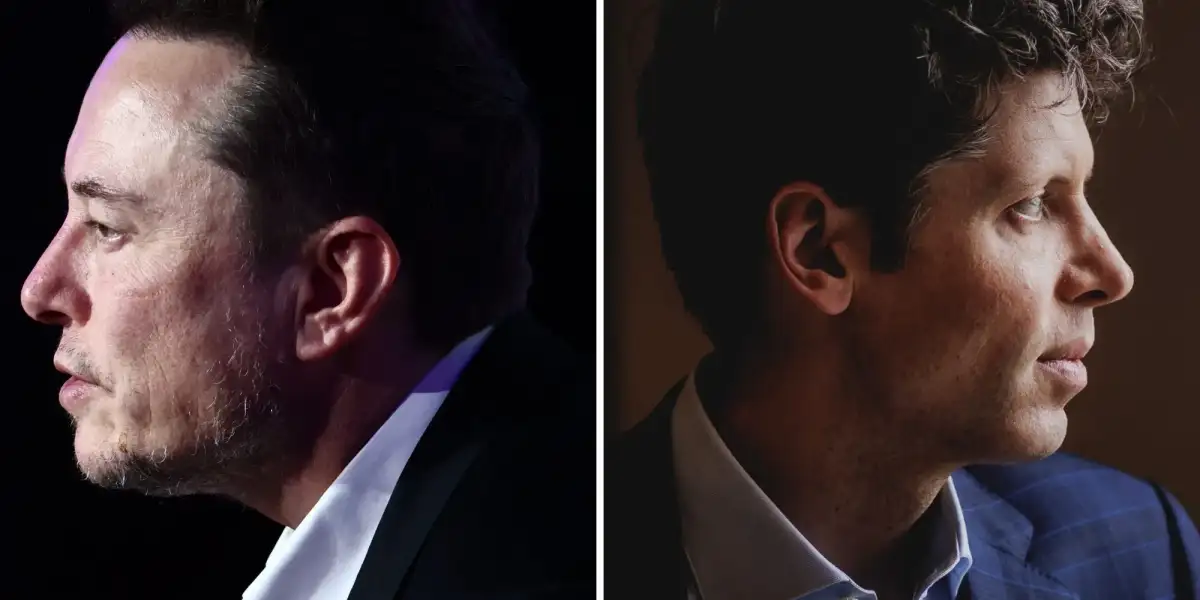
Altman also testified that Musk's management style, potentially effective in engineering and manufacturing, did not translate well to OpenAI. Despite their disagreements, Altman reportedly maintained contact with Musk, keeping him updated and seeking funding and advice. Following their unresolved clash, Musk departed OpenAI's board to pursue competing AI initiatives at Tesla and his own startup, xAI. OpenAI's lawyers have highlighted that Musk was kept informed and invited to participate in investments that he is now challenging legally.
A Tense Legal Standoff
The courtroom drama involves high-profile figures from the tech industry. Previous testimonies have included those from OpenAI President Greg Brockman, Microsoft CEO Satya Nadella, and former OpenAI board member Shivon Zilis, who is also the mother of Musk's children. Zilis' testimony touched upon concerns regarding Altman's candor during her tenure on the board.
Read More: Lies of P Sequel Enters Full Production in 2026
Musk is seeking remedies that include stripping Altman and Brockman of their board positions and unwinding OpenAI's for-profit transformation. The judge, Yvonne Gonzalez Rogers, has presided over proceedings where jury members, who admitted to negative feelings about Musk, were cautioned to remain fair. The case continues to unfold, with the jury's decision potentially shaping the future trajectory of OpenAI and the broader AI landscape.