

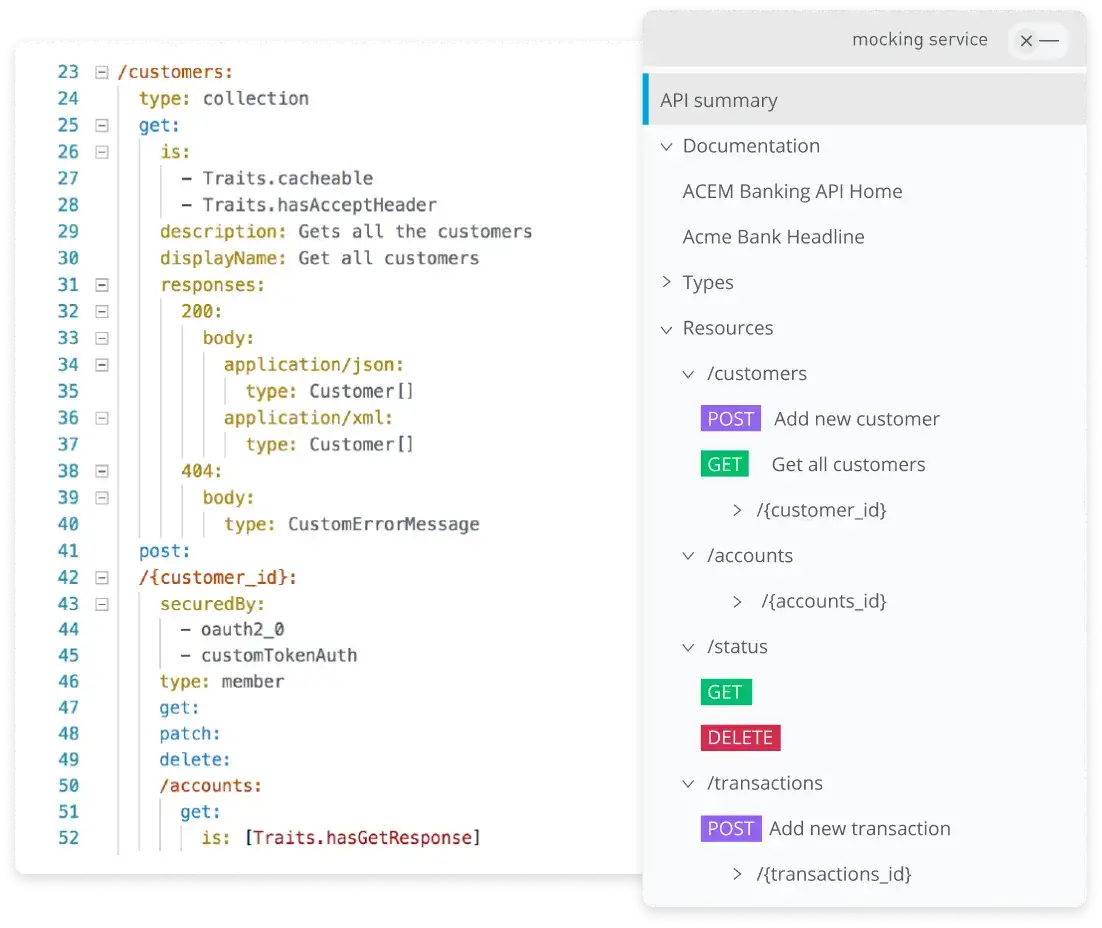
MuleSoft, a subsidiary of Salesforce, has formalized its governance frameworks for Large Language Model (LLM) integration, specifically targeting the detection and redaction of Personally Identifiable Information (PII) within automated integration flows. The documentation outlines methods for developers to implement filters that intercept sensitive data strings—such as social security numbers, email addresses, and financial identifiers—before these payloads reach external generative AI endpoints.
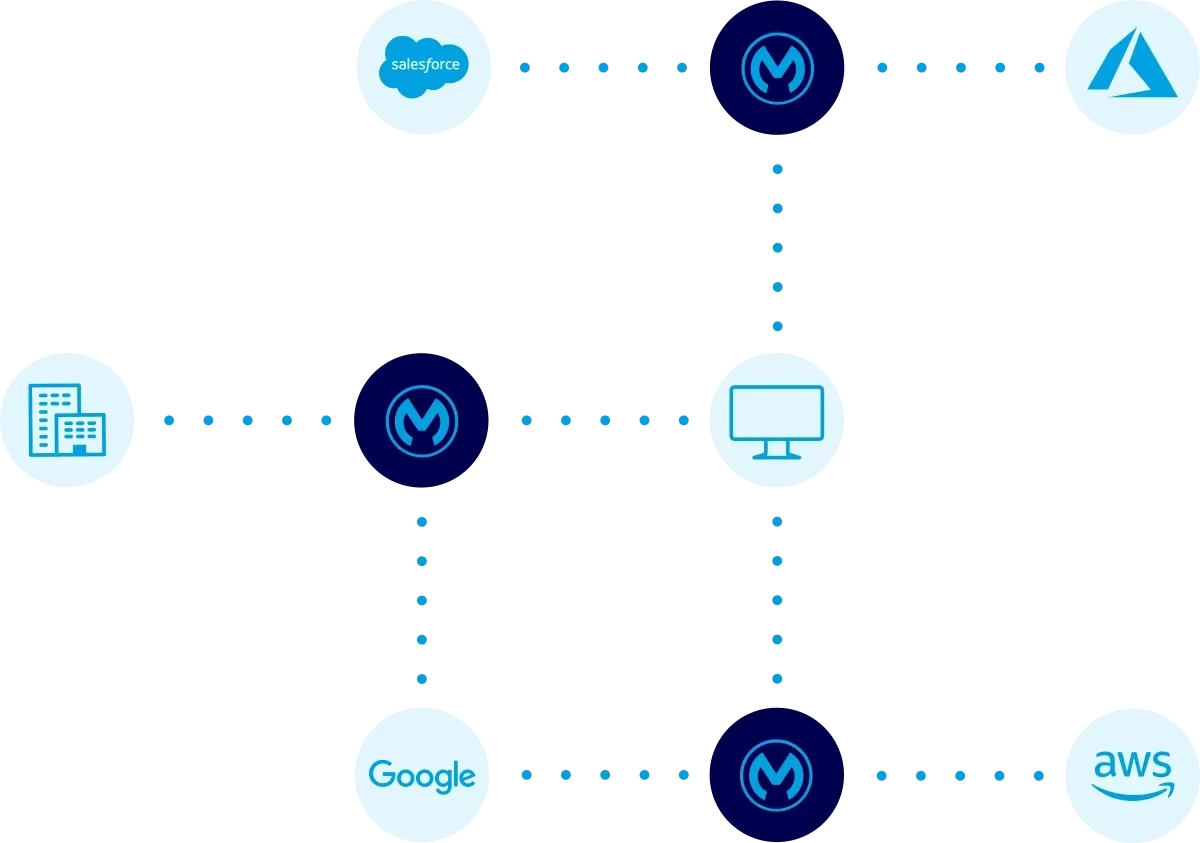
| Feature Category | Implementation Mechanism |
|---|---|
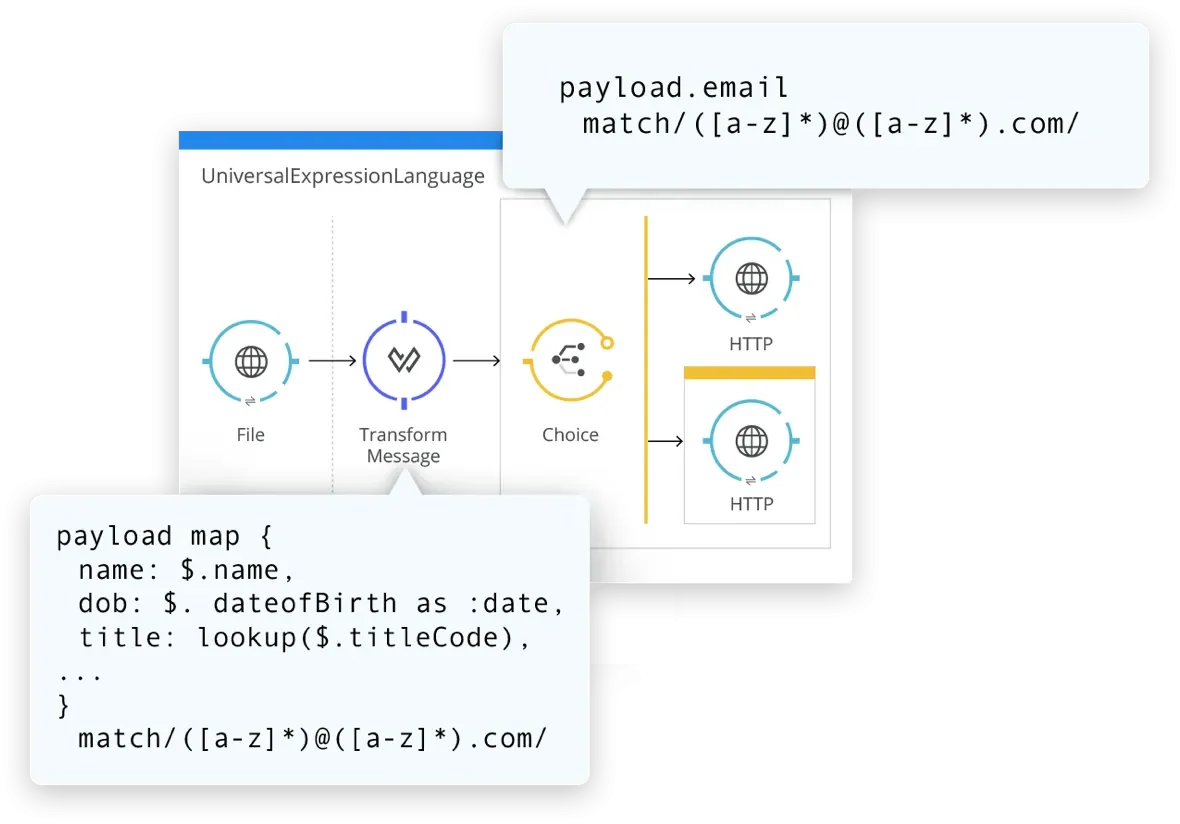
| PII Detection | Pattern matching (Regex) & Tokenization |
| API Lifecycle | Design, Build, Test, Deploy, Monitor |
| Governance | Data Loss Prevention (DLP) Policies |
Developers are tasked with embedding security policies directly into API specifications within the Anypoint Platform.
Automated validation checks serve to strip or mask data entities prior to transmission, preventing the leakage of private datasets into model training loops.
The shift moves toward decentralized compliance where the ' integration ' layer acts as the primary barrier against data poisoning and privacy violations.
Operational Context and Technical Constraints
The necessity for these controls emerges from the widespread adoption of AI-driven ' digital transformation ' strategies. As enterprises attempt to bridge legacy database architectures with modern Large Language Models, the surface area for unauthorized data exposure grows.
"Building the digital transformation your business needs" remains the core branding of the MuleSoft ecosystem, yet the operational reality is one of increasing caution regarding how unstructured data travels between internal endpoints and external model inference engines.
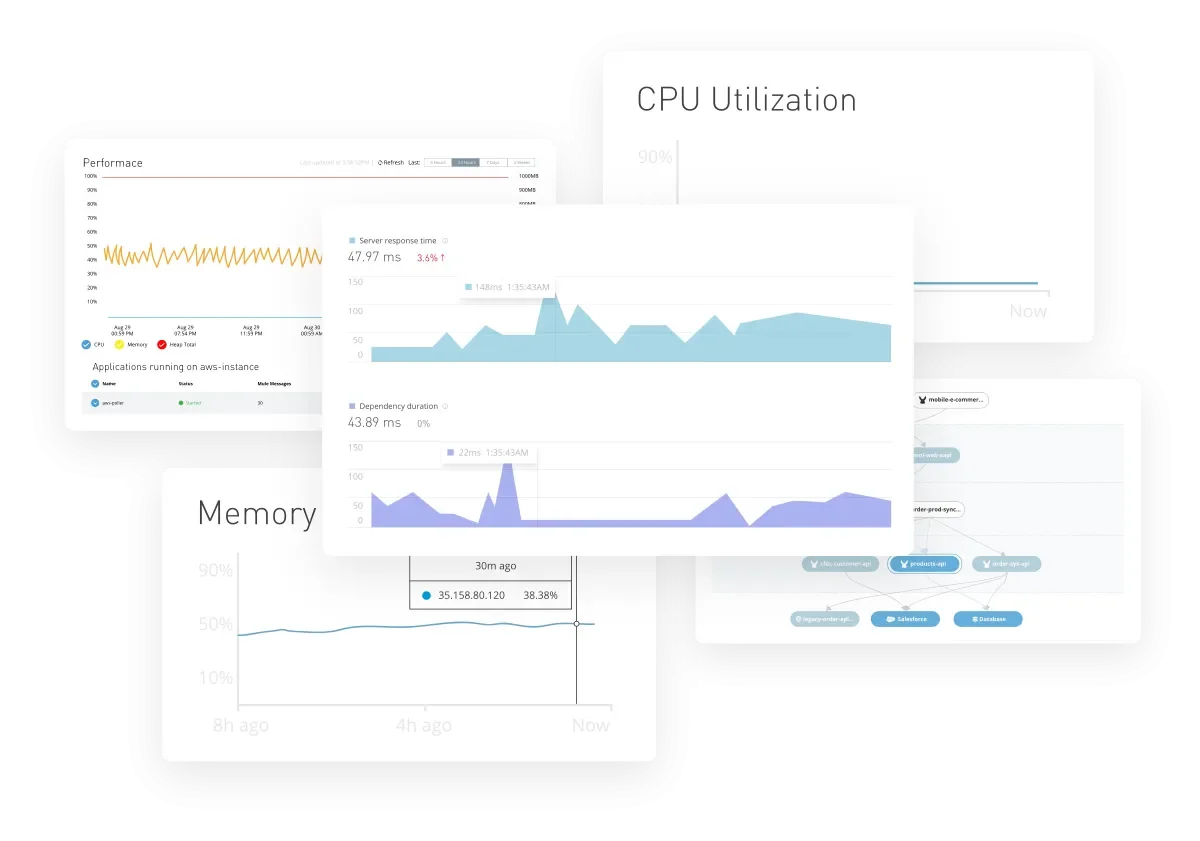
The platform relies on the Anypoint Exchange as a central repository for reusable assets. These assets often include pre-built connectors that manage the flow of traffic; however, the burden of ensuring these flows remain 'PII-compliant' is delegated to the system architects who design the integration logic. By utilizing monitoring dashboards and visualization tools, teams are expected to observe the latency added by these security layers, acknowledging that real-time inspection often trades computational speed for privacy adherence.
Read More: Chrome mimeHandler API lets extensions handle file types
Structural Evolution
Historically, MuleSoft focused on connecting disparate enterprise software systems (ESBs). The current documentation shift marks a pivot toward treating AI models as another 'node' in a network. This forces a transition from mere data transport to active data sanitization. The efficacy of these systems depends entirely on the strictness of the regex patterns employed and the discipline of the teams managing the API specifications. As of July 6, 2026, the documentation suggests that without these internal 'guardrails,' the integration of generative AI into business processes remains a significant liability for organizations handling protected user information.





