A novel recombinant strain of the mpox virus has been identified in two separate cases, one in the United Kingdom and another in India. The World Health Organization (WHO) has urged continued genomic surveillance following this detection. While the overall global health risk assessment remains unchanged, the emergence of a hybrid virus, combining genetic material from two known mpox clades, underscores the virus's capacity to evolve.

The WHO confirmed two cases of a recombinant mpox strain, formed from clades Ib and IIb, in the UK and India. No secondary cases were found, and the virus was reclassified to match the UK detection.
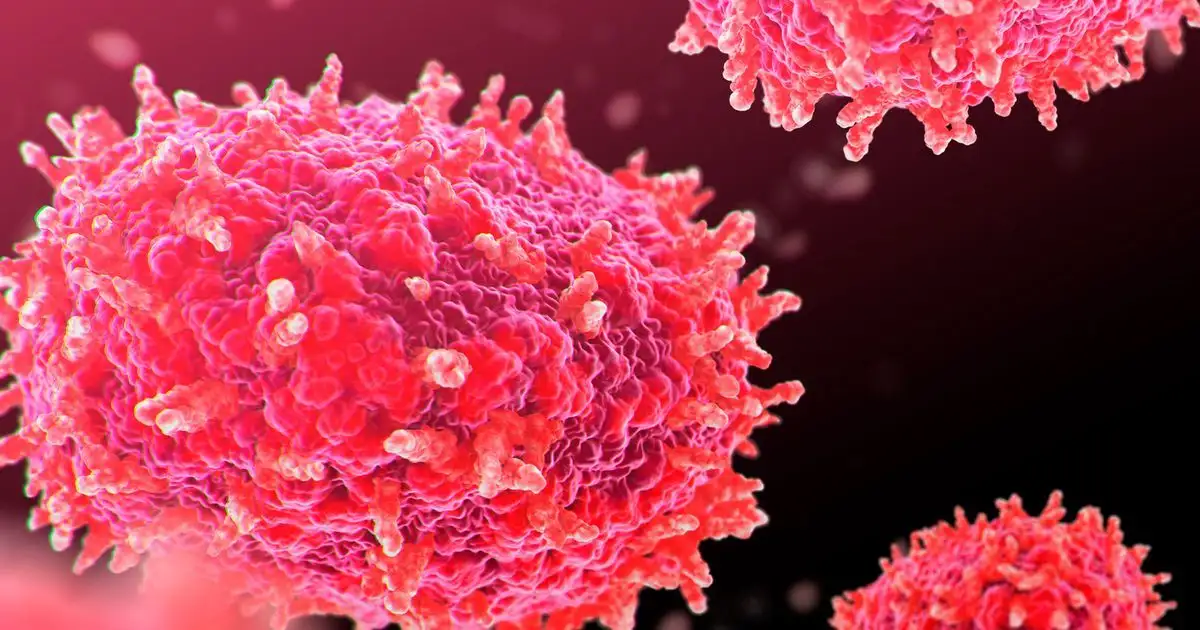
Context of Discovery and Initial Responses
The identification of this new recombinant strain occurred recently, with reports emerging in early December 2025. The UK Health Security Agency (UKHSA) announced the discovery of the strain in an individual who had recently traveled from Asia.
Read More: India IVF Costs And Social Barriers Limit Access In April 2026

The UKHSA confirmed the strain through genomic sequencing, revealing genetic material from both clade Ib and clade IIb of the mpox virus.
Following this detection, the UKHSA reported the finding to the WHO, as is standard protocol for significant viral developments.
The WHO has since provided an update, detailing the two cases and the national responses to them.
Nature of the Recombinant Strain
The newly identified strain is a "recombinant," meaning it possesses genetic material from two distinct, previously known strains, or clades, of the mpox virus.
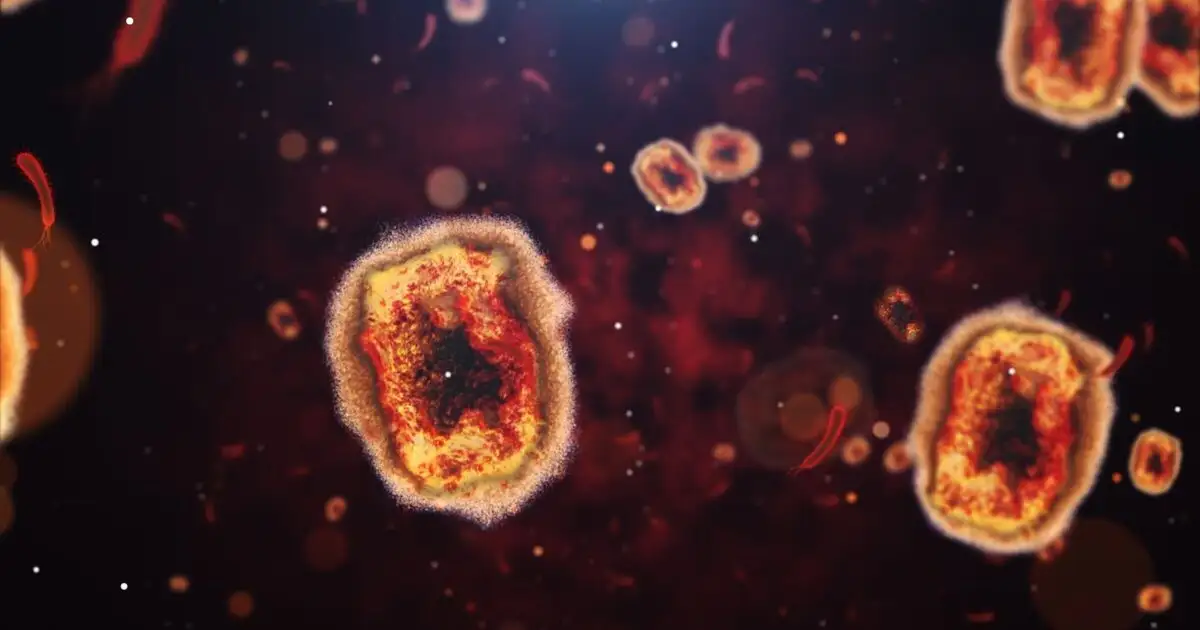
Clade Ib and Clade IIb are the two known lineages of the mpox virus from which this new strain is formed.
Experts have noted that the ability of mpox to recombine and generate new variants is a known characteristic of the virus family.
The emergence of such recombinant strains had been a subject of concern among scientists, particularly if different clades co-circulated in the same regions.
Global Surveillance and Expert Concerns
The detection has prompted calls for heightened monitoring of the virus's evolution and spread.
"The identification of a recombinant mpox strain containing elements of both Clade I and Clade II is precisely what experts in the field feared would happen if the virus continued to spread globally without a decisive response to stop it." - Dr. Boghuma Titanji, Assistant Professor of Medicine, Emory University.
Dr. Boghuma Titanji also commented that increased mpox circulation provides more opportunities for the virus to recombine and adapt, potentially solidifying its presence as a human pathogen.
The WHO emphasized the need for continued genomic surveillance to understand how the virus is changing.
Scientists acknowledge that viruses naturally evolve, and further analysis is required to comprehend the specific implications of this new strain.
Transmission and Symptoms
Mpox is a viral illness with symptoms that include fever, headache, muscle aches, and a characteristic rash with blisters, spots, or ulcers.
Transmission can occur through close and prolonged face-to-face contact, including talking, breathing, coughing, or sneezing.
Contact with bodily fluids, such as saliva or mucus, is also a risk.
Transmission can also happen through contact with contaminated materials like bedding or clothing.
The virus can be transmitted from infected animals to humans, as well as through close physical contact between people.
Public Health Response and Vaccination
Health officials in the UK have reiterated the importance of vaccination programs for eligible groups.
The UKHSA continues to offer mpox vaccinations to individuals at higher risk, including those with multiple sexual partners, who participate in group sex, or visit sex-on-premises venues.
Vaccination is considered an effective measure to protect against severe disease.
The WHO has been alerted to the finding and is monitoring the situation.
While the new recombinant strain has been detected, the overall global public health risk assessment remains unchanged, and no secondary cases have been reported following contact tracing in the initial instances.
Sources:
Daily Star: https://www.dailystar.co.uk/news/latest-news/new-mpox-strain-detected-uk-36379094
The Guardian: https://www.theguardian.com/world/2025/dec/08/england-health-officials-identify-newly-evolved-strain-of-mpox
Sky News: https://news.sky.com/story/new-mpox-strain-discovered-in-england-13480985
Science Media Centre: https://www.sciencemediacentre.org/expert-reaction-to-ukhsa-announcement-of-a-new-mpox-strain-identified-in-england/
Liverpool Echo: https://www.liverpoolecho.co.uk/news/health/new-mpox-virus-strain-england-33025427
The Mirror: https://www.mirror.co.uk/news/uk-news/breaking-new-strain-dangerous-m-36369288
Eastern Eye: https://www.easterneye.biz/mpox-ukhsa-health-who-infectious-diseases/
Express: https://www.express.co.uk/news/uk/2144583/new-mpox-strain-detected-england-ukhsa
GOV.UK: https://www.gov.uk/government/news/ukhsa-detects-first-case-of-clade-ib-mpox
Gavi: https://www.gavi.org/vaccineswork/new-mpox-variant-has-been-identified-uk-should-we-be-worried
SCMP: https://www.scmp.com/news/world/europe/article/3335659/new-mpox-strain-found-uk-after-travel-asia
Daily Star (another article): https://www.dailystar.co.uk/news/latest-news/new-mpox-strain-found-england-36369266
The Pharmacist: https://www.thepharmacist.co.uk/clinical/new-mpox-strain-identified-in-england-ukhsa-confirms/
USA Today: https://www.usatoday.com/story/news/health/2025/12/10/new-hybrid-mpox-strain-discovered-uk/87690923007/