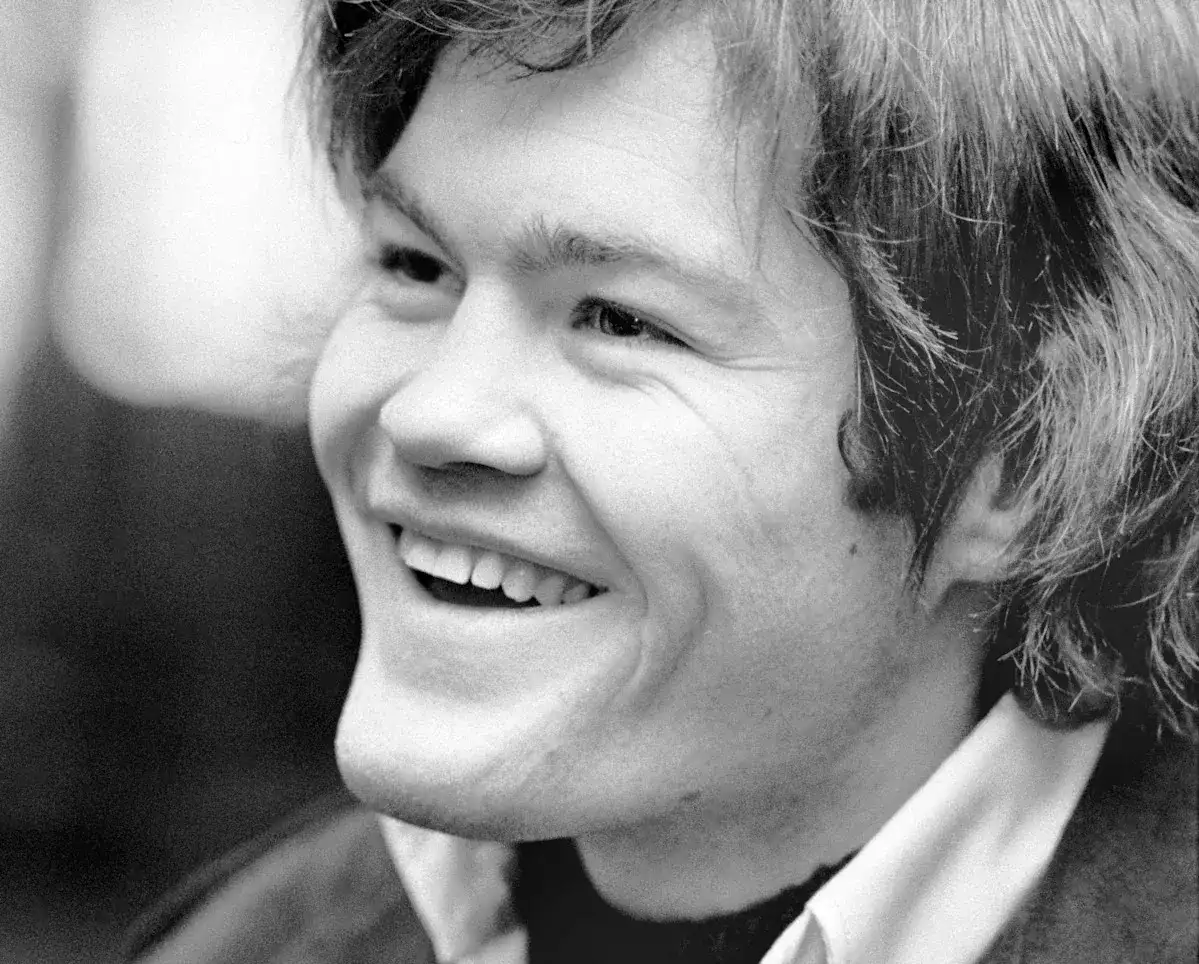
Micky Dolenz, now 80, exists as the final witness to a 1960s media experiment that blurred the line between a television script and a touring rock group. The project, which began with a 1965 Daily Variety advertisement, has outlived three of its four components: Mike Nesmith, Peter Tork, and Davy Jones. Dolenz continues to tour, performing songs originally voiced by his dead colleagues, effectively becoming a one-man repository for a brand that was originally designed to mimic The Beatles.

The Monkees were not a "boyband" in the modern sense; they were a television show about a band that wanted to be famous but never quite managed it within the plot.

THE FRICTION OF AUTHENTICITY
The internal machinery of the group was broken from the start by a mismatch of expectations. While Dolenz viewed the role as an acting job, Mike Nesmith entered the project as a serious singer-songwriter who believed he would have creative agency.
Read More: Grateful Dead 60 Years On: Fans Use Roses and Cards to Celebrate Music

Producers rejected Nesmith’s original compositions.
The corporate line was that his music "was not a Monkees song."
This created a jagged irony: a "real" musician was told he did not sound like the "fake" version of himself created by the studio.
Dolenz notes that he, conversely, had few musical ambitions outside the show's structure, which allowed him to survive the industry's gears more easily.
"He was frustrated because he was misled… He said, ‘Wait a minute, I am one of the fucking Monkees.’" — Micky Dolenz on Mike Nesmith.
THE SPECTER OF THE REPLAY
Dolenz admits to a physiological response when viewing old footage or hearing the voices of the deceased members during live sets. The current touring schedule functions as a tribute, where the lone survivor fills the silence left by the others.
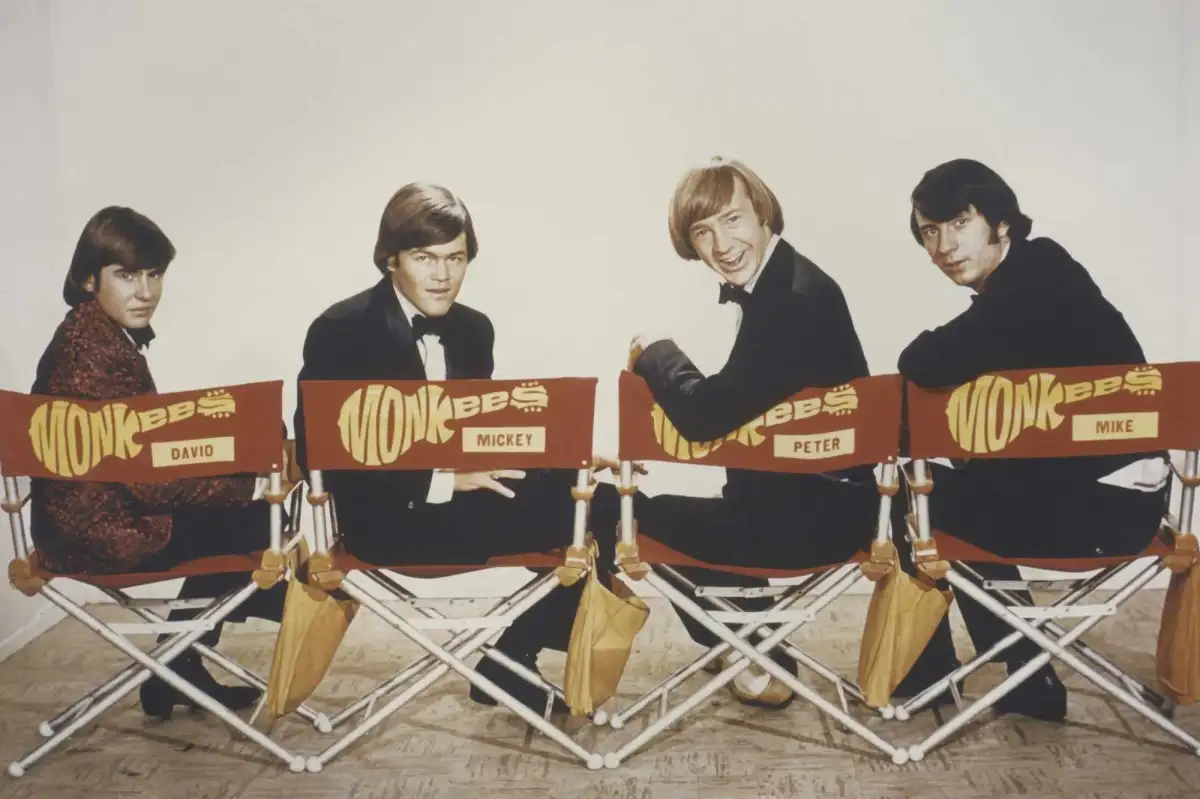
| Component | Status | Role in the Simulation |
|---|---|---|
| Micky Dolenz | Active | The Actor/Singer; last surviving bridge to the 1966 pilot. |
| Mike Nesmith | Deceased | The Dissident; fought for musical control against the TV format. |
| Peter Tork | Deceased | The Musician; provided the "lovable" persona while being a multi-instrumentalist. |
| Davy Jones | Deceased | The Teen Idol; the focal point for the commercial demographic. |
RECONSTRUCTING THE NARRATIVE
The "Monkees" phenomenon remains hard to dissect because it refuses to stay in one category. It was a groundbreaking use of television to sell records, yet the members eventually seized the instruments and became the thing they were originally only hired to pretend to be.
Dolenz describes the entity as something that cannot be reduced or taken apart; it is a ghost in the machine of pop culture.
1965: The casting call attracts hundreds of hopefuls for a "Madness"-style comedy.
1966: The show debuts, creating an instant, manufactured mania.
2021-2026: Dolenz navigates the finality of the group, performing as a solo act backed by the memory of a quartet.
The tragedy of the Monkees was the struggle for the real to exist inside the artificial. Now, with only one member remaining, the distinction no longer matters. The simulation has become the only history left.
Read More: Ryan Gosling chosen for Project Hail Mary movie adaptation