


MEXICO CITY - In the stark aftermath of a shooting that claimed the life of a Canadian tourist at the iconic Teotihuacan pyramids, Mexico's government has pledged to significantly bolster security across its tourist destinations. The incident, which occurred less than two months before the country co-hosts the FIFA World Cup, has renewed anxieties about safety just as millions of football fans prepare to descend upon its cities.
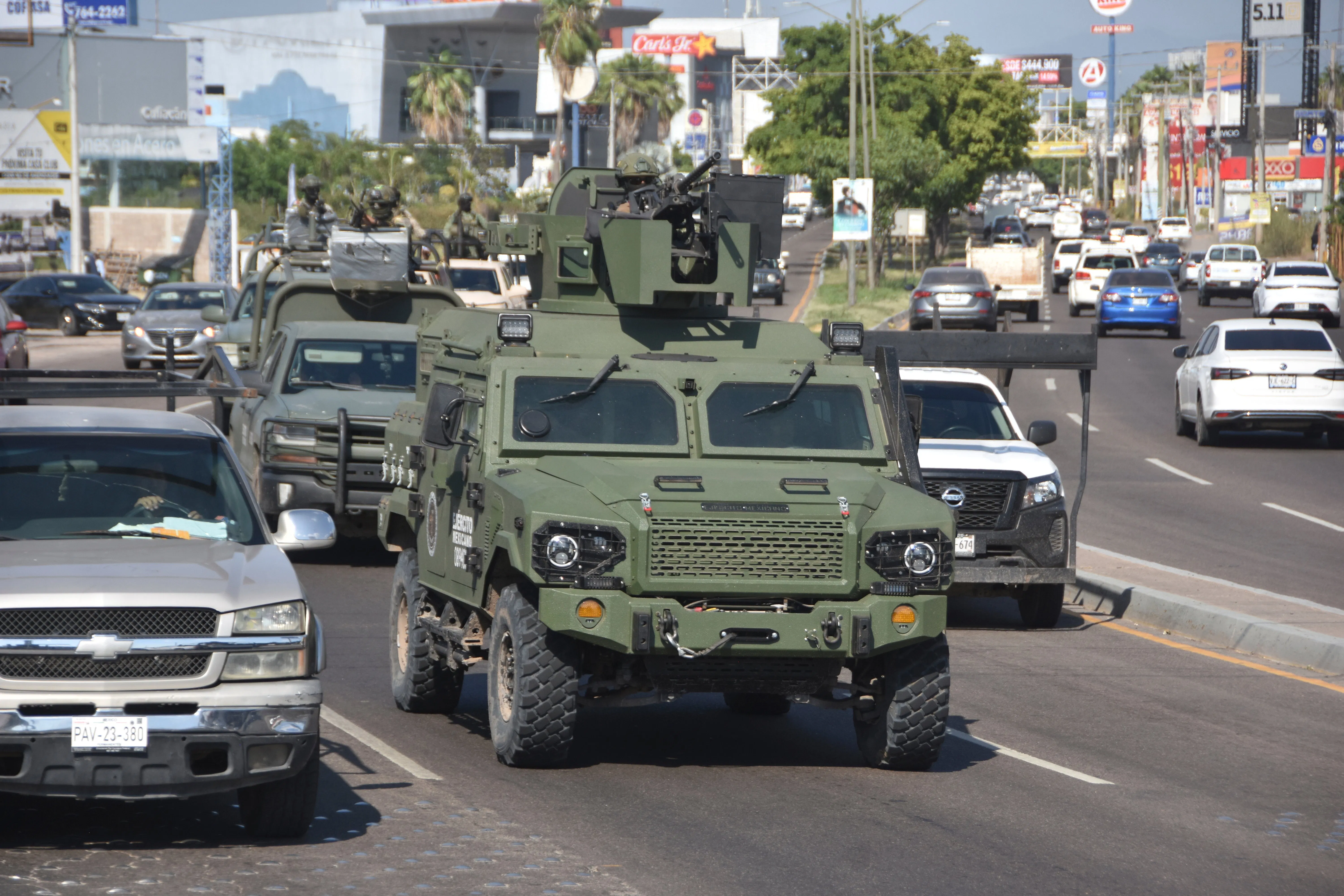
The government announced the deployment of 100,000 security personnel, drawn from military, national security, and private entities, to safeguard the nation's popular visitor sites, with a particular emphasis on the three World Cup host cities: Mexico City, Guadalajara, and Monterrey. This move comes as President Claudia Sheinbaum seeks to project an image of security, despite acknowledging that the archaeological site itself "lacked security filters" prior to the attack. Officials described the shooting as an "isolated incident," though reports also suggest the attack may have been planned.
Read More: Margaret River Named World's Best Wine Place
The daylight assault, captured on mobile phone footage, saw a gunman open fire on tourists atop the Pyramid of the Moon. The shooter reportedly died by suicide after the incident. While such attacks in public tourist spaces are described as rare in Mexico, the event has drawn stark comparisons to higher rates of gun violence in other nations. The shooting occurred on Monday and has been a significant focus of media attention both within Mexico and internationally, making front-page headlines and causing widespread consternation.
Mexico has been actively working to assure visitors of their safety, particularly following a surge of cartel-related violence in February that affected the host city of Guadalajara. Security analysts, however, have raised concerns that an intensified focus on tourist hubs like Teotihuacan might divert resources from other areas more deeply affected by ongoing crime. The Teotihuacan site, an important archaeological landmark located approximately 30 miles north of Mexico City, was expected to be a key destination for World Cup visitors.




.png)