Meta Platforms is reportedly considering the integration of facial recognition technology into its smart glasses, a move that has drawn attention due to significant privacy and safety considerations. The technology, internally codenamed "Name Tag," aims to allow users to identify individuals around them using an AI system. Discussions regarding this feature have been ongoing within Meta since early last year, with the company reportedly weighing the potential benefits against substantial privacy risks.
Internal Deliberations and Potential Launch Strategy
Sources indicate that Meta has been deliberating the rollout of facial recognition for its smart glasses for an extended period. Documents suggest a potential strategy to launch such a controversial feature during times of domestic political unrest, believing that public attention would be diverted, thereby reducing scrutiny.
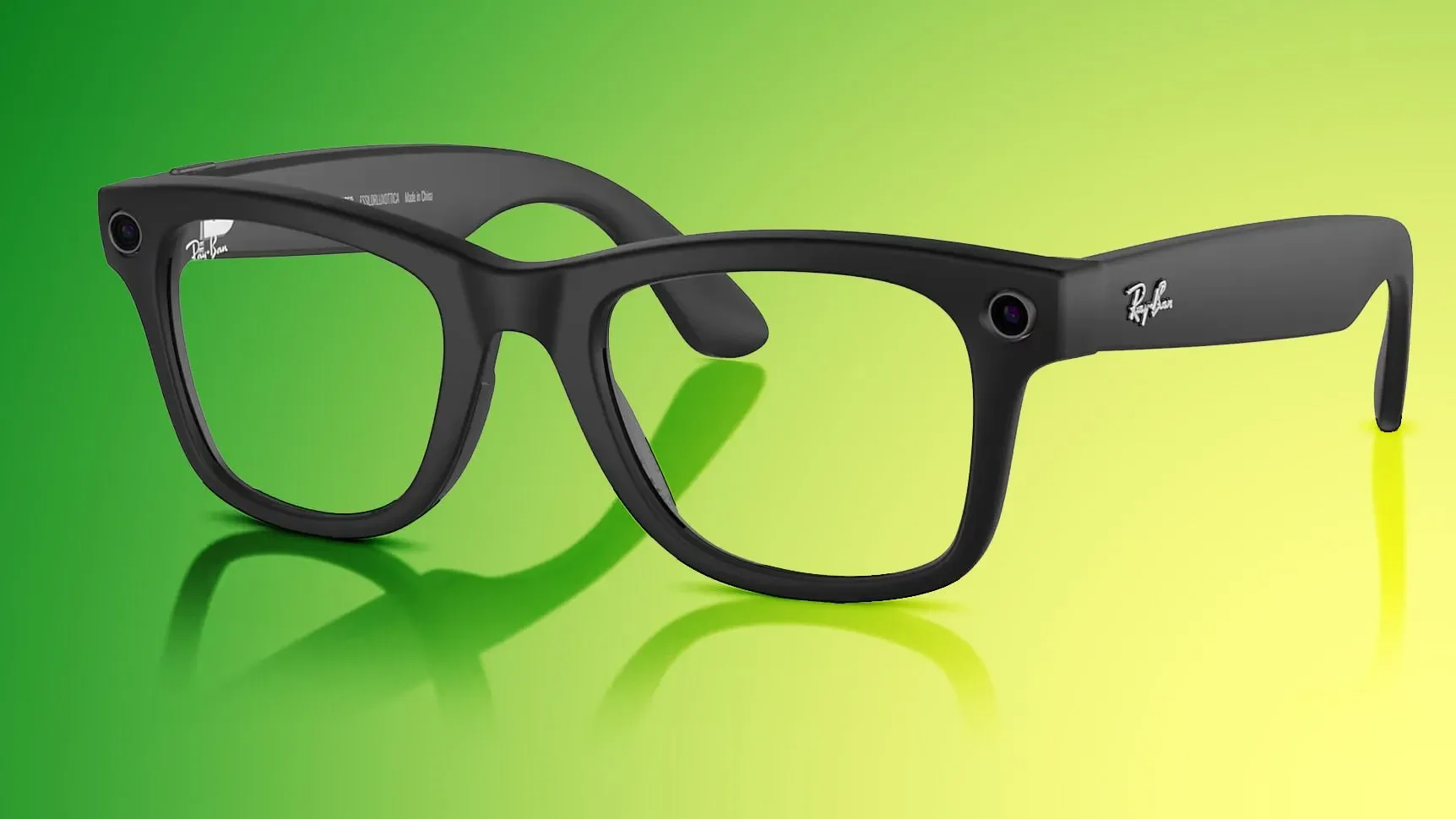
The New York Times is cited as a primary source for reports on Meta's internal discussions.
Plans are said to have been revived, possibly influenced by evolving relationships between the Trump administration and major technology firms.
The company has acknowledged significant "safety and privacy risks" associated with the technology.
A potential window for release was identified during periods of heightened political activity in the United States, with the aim of capitalizing on a distracted public.
Functionality and Scope of "Name Tag"
The proposed "Name Tag" feature is designed to enhance the utility of Meta's smart glasses, potentially by identifying people known to the user through Meta's platforms or those with public profiles on sites like Instagram.
Read More: Chrome mimeHandler API lets extensions handle file types
The feature would utilize Meta's AI system to display a person's name or other basic details to the glasses wearer.
It is reportedly intended to differentiate Meta's devices in a competitive market and improve its AI assistant's capabilities.
While the technology could identify known individuals, reports suggest it would not allow users to look up the identity of any person they encounter.
Augmented reality capabilities are not expected to be part of this specific feature.
Industry Context and Competitive Landscape
The move by Meta occurs as the smart glasses market is anticipated to grow more competitive. Integrating advanced AI features like facial recognition could provide a significant edge against rivals.

The smart glasses market is expected to see increased competition in the coming years.
Meta believes facial recognition could offer an advantage over competitors, potentially including offerings from companies like OpenAI.
While Meta has previously stepped back from highly controversial facial recognition technology in its products, the current exploration suggests a willingness to re-engage with the concept.
Privacy Advocates' Stance and Potential for Misuse
Privacy advocates have expressed serious concerns regarding the potential for abuse and the erosion of personal privacy if such technology is widely deployed. The prospect of individuals being identified and their data accessed without explicit consent raises fundamental ethical questions.
"This technology is ripe for abuse," is a direct quote reflecting strong opposition.
The expansion of facial recognition technology in consumer devices is seen as a significant escalation of privacy risks.
The ability to identify individuals in real-time, even if limited in scope, could still lead to unforeseen consequences and surveillance concerns.
Expert Analysis and Reactions
Commentators highlight the significant privacy implications and the ethical quandaries posed by Meta's reported plans.

"We're still thinking through options and will take a thoughtful approach if and before we roll anything out." - Meta spokesperson, quoted in internal documents.
The company's acknowledgement of risks, alongside a strategic consideration of release timing, underscores the contentious nature of the technology. The development is being closely watched by privacy watchdogs and technology ethicists alike.
Conclusion and Future Outlook
Meta's reported exploration of facial recognition for its smart glasses represents a significant technological and ethical crossroads. The company is reportedly navigating internal debates concerning safety and privacy while also assessing market opportunities.
Read More: Trump Uses Taylor Swift Wedding Buzz For Campaign
The development of the "Name Tag" feature is contingent on Meta's internal decisions regarding its implementation and the associated risks.
No official launch date has been announced, and plans remain under consideration.
The future deployment of this technology will likely be subject to intense public and regulatory scrutiny.
Sources
Futurism: https://futurism.com/artificial-intelligence/meta-facial-recognition-glasses - Report discusses internal Meta documents regarding potential launch strategy during political turmoil and inherent privacy risks.
CNET: https://www.cnet.com/tech/services-and-software/meta-could-introduce-face-tracking-into-its-glasses-as-soon-as-this-year-we-need-to-be-ready/ - Article covers the possibility of Meta's smart glasses incorporating facial recognition soon, stressing the need for public readiness.
WIONews: https://www.wionews.com/technology/-identify-people-using-ai-meta-plans-to-add-facial-recognition-to-its-smart-glasses-1771063553609 - Reports on Meta's plans for an AI-driven feature to identify people using smart glasses, detailing internal discussions and caution.
MacRumors: https://www.macrumors.com/2026/02/13/meta-facial-recognition-smart-glasses/ - Details Meta's "Name Tag" feature for Ray-Ban smart glasses, exploring potential identification targets and Mark Zuckerberg's reported motivations.
TechCrunch: https://techcrunch.com/2026/02/13/meta-plans-to-add-facial-recognition-to-its-smart-glasses-report-claims/ - Article from The New York Times report claiming Meta's intention to add facial recognition to smart glasses, citing potential strategic release timing.
Engadget: https://www.engadget.com/ai/meta-is-reportedly-working-to-bring-facial-recognition-to-its-smart-glasses-144721330.html - Discusses Meta's reported work on bringing facial recognition to smart glasses, noting it could be a controversial move offering a competitive edge.