Zuckerberg's gamble reshapes tech landscape, impacting thousands.
Meta Platforms is undertaking a significant reduction in its workforce, with 7,900 positions slated for elimination. This move, publicly framed as a necessary realignment, appears intrinsically linked to the company's aggressive investment in artificial intelligence. The tech giant is channeling substantial resources into its AI initiatives, suggesting a strategic pivot that necessitates a concurrent shedding of personnel.

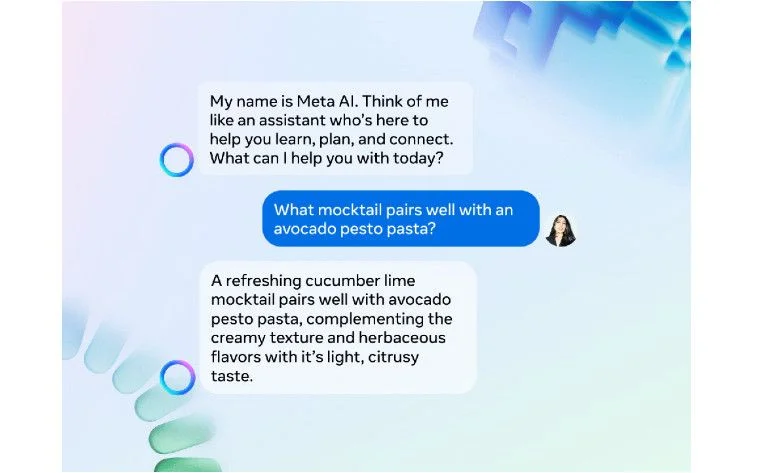
The core of this transition lies in Meta's intensifying focus on its AI capabilities, particularly its proprietary models like Llama 3. This AI integration is becoming a central feature across its social media empire, including Facebook, Instagram, WhatsApp, and Messenger. The company is embedding Meta AI directly into these platforms, aiming to enhance user experience through advanced content generation and conversational assistance. This strategic deployment signifies a profound shift in Meta's operational priorities, where AI development and integration are now paramount.
Read More: Digital Quotes Outpace Source Text Analysis Since May 2026

The implications of this restructuring extend beyond Meta's internal operations. For the broader tech industry, this signifies a trend toward prioritizing AI development, potentially leading to similar workforce adjustments at other companies. The emphasis on AI underscores a new era in tech, where generative capabilities and intelligent assistants are seen as the future drivers of platform engagement and value.
A Unified Digital Ecosystem
Parallel to the AI push, Meta is also streamlining its user management. The introduction of a unified Meta account aims to simplify access and control across its diverse applications – Facebook, Instagram, WhatsApp, and Messenger. This consolidated approach allows users a single point of login and management for their various social media presences, a move intended to enhance user convenience and data integration.

Background: The Evolving AI Landscape
Meta's intensified AI efforts coincide with a period of rapid advancement in the field. The company's generative AI, exemplified by its image and video creation tools, draws upon vast datasets, aiming to provide users with sophisticated responses and content. This initiative positions Meta AI as a direct competitor in the burgeoning AI assistant market, vying for user attention and utility against established players like Google's Gemini. The technology is designed to be accessible, offering assistance from casual queries to more professional virtual support.
Read More: Why May 24 bestseller book lists are released before May 24, 2026