NEW YORK – The Met Gala unfurled this year, a spectacle where 'Costume Art' met 'Fashion Is Art,' prompting a re-examination of the body as an artistic medium. Amidst the fabric and finery, a notable trend emerged – or rather, a reshaping – with several figures drawing attention for their attenuated frames, a phenomenon some observers have linked, however speculatively, to the burgeoning use of medications like Ozempic.
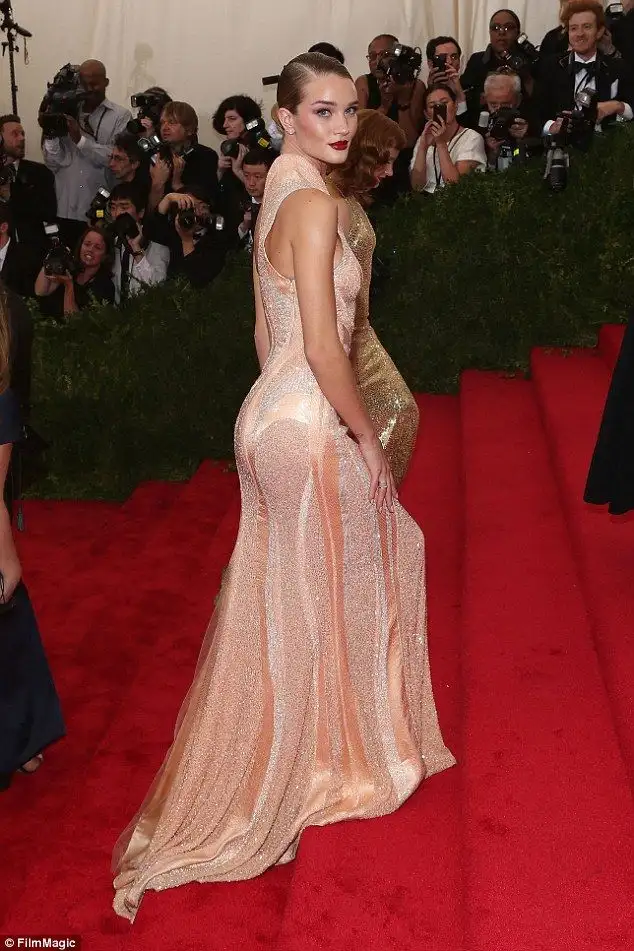
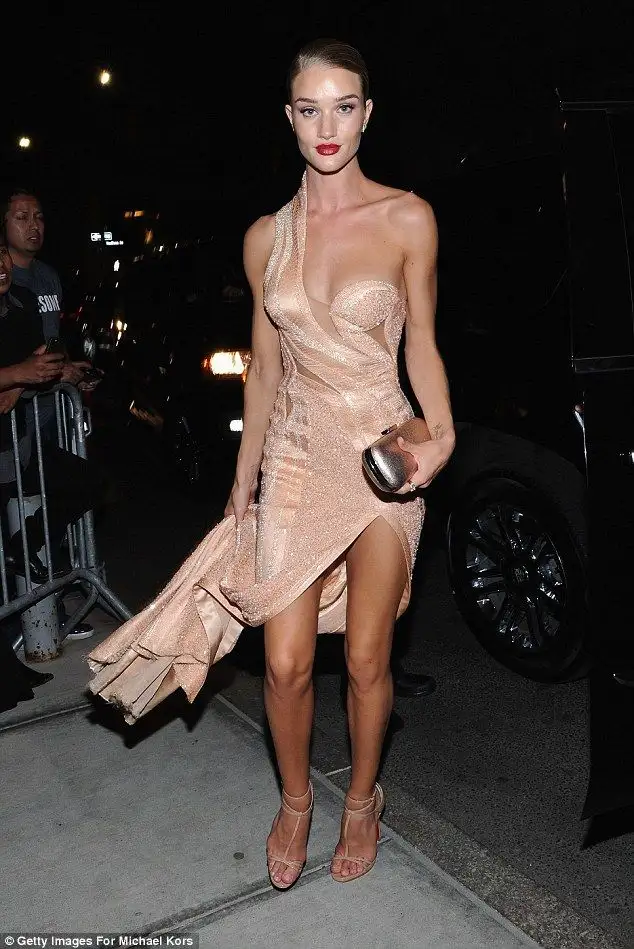
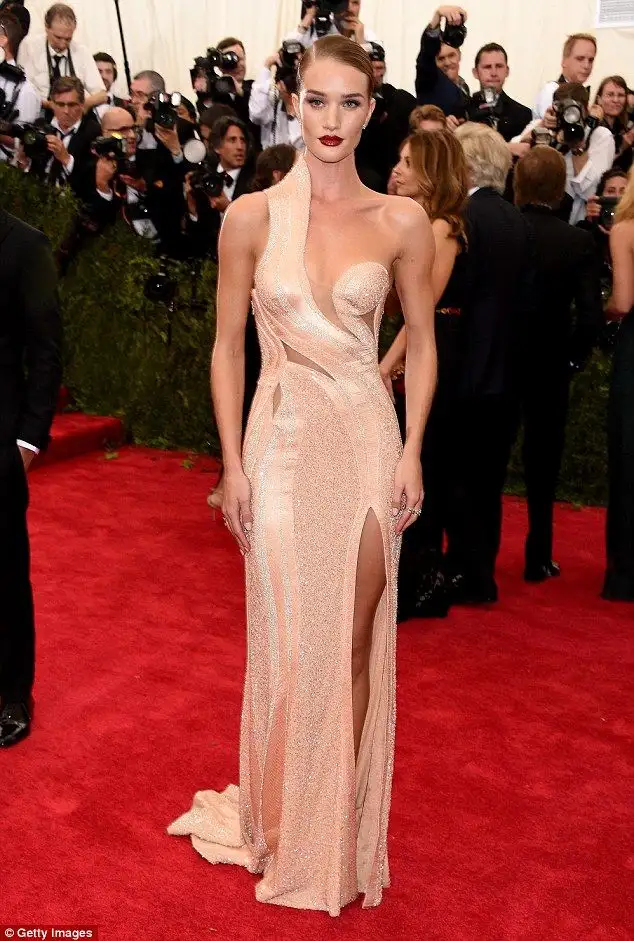
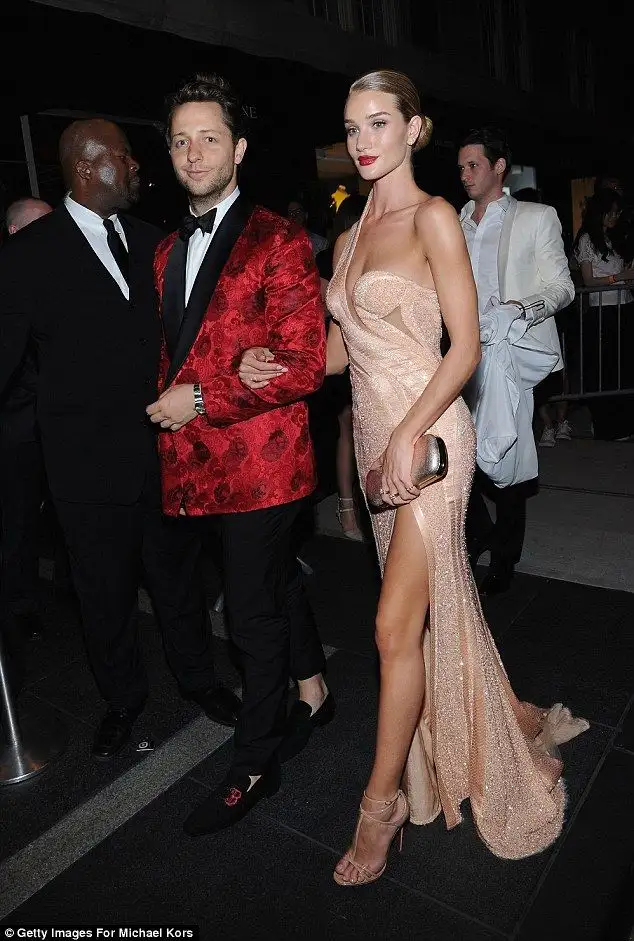
Rosie Huntington-Whiteley's appearance, noted for her "skinny frame and TINY waist," ignited conversations about contemporary body ideals and the potential influence of pharmacological aids on celebrity aesthetics. While official statements remain silent on such matters, the persistence of these discussions points to a societal fixation on specific body types, often amplified by the relentless gaze of public events like the Met Gala.
Thematic Explorations on the Red Carpet
This year's event, co-chaired by figures including Beyoncé, Nicole Kidman, and Venus Williams, explored various embodiments of the body through fashion. The exhibition itself, curated by Andrew Bolton, delves into thematic categories such as the "Pregnant Body," "Corpulent Body," "Disabled Body," and the "Naked & Nude Body," among others. Attendees were tasked with interpreting how designers utilize the human form as a "blank canvas."
Read More: Princess Catherine Wears £750 Roland Mouret Dress to Royal Wedding Today
"I wanted to focus on the centrality of the dressed body within the museum, connecting artistic representations of the body with fashion as an embodied art form," Bolton stated, outlining the curatorial intent to investigate the relationship between clothing and the body beneath.
Many celebrities embraced this directive with audacious interpretations. Looks ranged from those celebrating "classical bodies" with Hellenistic-inspired drapery to more "anatomical approaches." Some attendees opted for strategically revealing ensembles, showcasing sculpted physiques, while others chose attire that played with opacity and form.
Cara Delevingne was noted for a semi-sheer look that hugged her "lithe physique."
Irina Shayk displayed "sculpted abs" in a custom Alexander Wang ensemble.
Sabrina Carpenter, Doja Cat, Alex Consani, and Lena Dunham were among the many personalities gracing the red carpet.
Nicole Kidman was praised for her "scarlet Chanel" ensemble, while Emma Chamberlain's Mugler gown was described as turning her body into a "canvas."
Underlying Currents and Historical Context
The discourse surrounding the Met Gala often extends beyond the sartorial. The event, traditionally held on the first Monday in May, serves as a significant fundraiser for the Metropolitan Museum of Art's Costume Institute. Its influence on fashion trends and celebrity image is undeniable.
Read More: Taylor Swift and Travis Kelce married at Madison Square Garden July 6
The persistence of discussions around dramatic weight loss and specific body types, particularly in relation to medications like Ozempic, is not new. Earlier in 2026, reports surfaced about stars flaunting "slim figures" at the Golden Globes, with some explicitly linked, albeit through unconfirmed gossip, to such weight-loss treatments. Kathy Bates was mentioned as having lost significant weight, with Ozempic cited in unverified accounts. Similarly, Priyanka Chopra and Melissa McCarthy were subjects of similar speculation regarding their appearances.
Rosie Huntington-Whiteley herself has a documented history of public scrutiny regarding her physique. An article from May 5, 2015, highlighted her "model curves" in a Versace gown, while more recent online mentions from late 2025 and early 2026 depict her in various swimwear, emphasizing her "incredibly trim figure" and "taut midriff." This recurring focus suggests a continuous public negotiation of female body standards, amplified by media attention.
Read More: Dua Lipa attends Versace party in Sicily, sparks wedding dress rumors
The Met Gala, therefore, becomes more than just a fashion parade; it serves as a platform where evolving aesthetic ideals, artistic expression, and the pervasive influence of contemporary culture—including pharmaceutical advancements and their rumored applications—converge under the bright lights of public attention.

:max_bytes(150000):strip_icc():focal(799x0:801x2)/nyc-sky-taylor-swift-travis-kelce-wedding-070326-2dc0d912004b400eac2c8c8b5adeff2a.jpg)

:max_bytes(150000):strip_icc()/GettyImages-186597754-5299e3e5f6b34731bde30b83ba436316.jpg)