WASTE STREAMS BECOME MORE COMPLEX AS LARGE NITROUS OXIDE CYLINDERS EMERGE AS SIGNIFICANT DANGER
The proliferation of discarded nitrous oxide cylinders across urban areas is escalating, presenting considerable risks to public safety and municipal infrastructure. These once-emptied containers, often still under pressure and classified as hazardous waste, are contributing to a surge in explosions at waste processing facilities and posing a growing threat of urban fires.
Large nitrous oxide cylinders are increasingly being dumped, leading to explosions at waste facilities and posing fire risks in cities.

Reports indicate a marked increase in the sale and misuse of these large cylinders. Waste workers face immediate danger from potential explosions, and significant damage is occurring to critical infrastructure involved in waste management. Municipal councils are bearing substantial costs for the clean-up of this hazardous material.
DUMPING REACHES DAILY OCCURRENCE
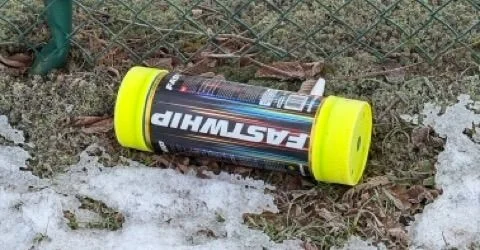
Local councils are reporting a dramatic rise in the number of canisters being recovered. The City of Melbourne, for instance, deals with nearly 50,000 canisters annually. Residents are witnessing these dumped cylinders becoming a common sight in their neighbourhoods. Beyond the immediate risks of explosions and fires, there are also concerns about the neurological consequences linked to nitrous oxide misuse, including issues with mobility and sensation in the extremities.
Read More: Amazon Land Use Changes Cause Disease Clusters in Brazil
LAW CHANGES FAIL TO STEM THE TIDE
Despite recent legislative changes, including the reclassification of nitrous oxide, the misuse of these large canisters appears to have shifted rather than diminished. Waste industry representatives have called for stricter measures, including a potential ban on the retail sale of large, pressurised nitrous oxide cylinders. The suggestion is to restrict their use to legitimate commercial entities.
ENVIRONMENTAL PROTECTION AND RATEPAYER BURDENS
The Environment Protection Authority (EPA) confirms it acts on all reports of illegal waste dumping. However, the consequences of such actions are starkly evident. One council was forced to allocate $500,000 for toxic waste clean-up, with the financial burden ultimately falling upon local ratepayers. This underscores the significant financial and environmental toll of illegal waste disposal.
Read More: Third Teen Charged in Fatal Stabbing Near Melbourne Hospital on Wednesday

FIRE RISKS ESCALATE
Beyond the direct impact on waste management, these unregulated gas cylinders are identified as a significant fire hazard, particularly in densely populated urban and peri-urban zones. Incidents of gas leaks causing fires, resulting in structural damage and property loss, have been attributed to these discarded items.
Background:
The increasing complexity of waste streams, exacerbated by the improper disposal of items like lithium-ion batteries and now nitrous oxide cylinders, presents a multifaceted challenge for waste management systems. Vision AI systems are being employed to identify gas canisters within mixed waste flows, indicating a technological response to evolving disposal hazards. While some sources note that these cylinders may not pose a measurable health risk through normal use, their disposal as hazardous waste, particularly when still pressurised, necessitates careful handling and regulation. The issue spans multiple jurisdictions, with reports from cities and waste management bodies highlighting a shared concern over the growing dangers posed by these discarded items.
Read More: Kanyakumari Atomic Mining Permit Extended for 1144 Hectares in 2026