Mathura, Uttar Pradesh – A swift suspension of Jan Mohammad, a headmaster at a government primary school in Mathura’s Nauhjheel block, has ignited a fiery debate. Accused of forcing Hindu students to offer namaz (Islamic prayer) during school hours, Mohammad was removed from his post within 24 hours of a complaint. But in the ensuing storm of accusations and denials, a crucial question looms: was this an act of necessary discipline, or a politically charged rush to judgment that trampled due process? The speed of the action has left many, including teachers, parents, and community members, questioning the fairness and impartiality of the inquiry.
The Complaint and the Swift Retaliation
The controversy ignited with a complaint lodged by BJP leader Durgesh Pradhan. He alleged that children at the Primary School Nagla Humayun, Mant were not only being made to perform namaz on school premises but were also subjected to what he termed as "religious indoctrination." The accusations extended further, claiming that Mohammad discouraged the singing of the national anthem and potentially invited Tablighi preachers to the school. This flurry of allegations led to an immediate administrative response, with Mohammad’s suspension following shortly after.
Read More: India IVF Costs And Social Barriers Limit Access In April 2026

However, the narrative quickly became more complex. When a reporter visited the school, students themselves offered a starkly different perspective.

"There is nothing like Hindu-Muslim here," stated one young girl, contradicting the premise of religious division."I come to school daily to drop them off," added another parent, casting doubt on the claim that the national anthem was being actively discouraged.
This stark contrast between the complainant's assertions and the students' statements raises immediate questions about the veracity of the allegations and the basis for such a rapid suspension.
Echoes of Past Incidents: A Pattern of Religious Scrutiny?
This Mathura incident is not an isolated spark in a dry forest. Similar events have peppered the recent past, suggesting a pattern of heightened sensitivity, and perhaps, disproportionate reactions, when religious practices enter the school environment, especially when a Muslim educator is involved.
Read More: Ram Temple Trust Audit Shows Money Irregularities
October 2023, Lucknow: The principal of a primary school in Thakurganj was suspended after some students allegedly offered namaz on school grounds. A Basic Siksha Adhikari confirmed the act was "against departmental directives and guidelines," signaling a clear, though perhaps rigidly applied, policy against religious rituals during school hours.
March 2023, Mathura (Sanskriti University): A different kind of uproar occurred at a private university where a Hindu outfit demanded an end to students offering namaz in the open on campus, threatening to counter with the recitation of Hanuman Chalisa. University officials acknowledged the practice, stating it was by students and not officially sanctioned, but pointed to efforts to derail their "purely academic venture." This incident highlights how religious observances, even by students in a private institution, can quickly escalate into public contention.
November 2020, Mathura: In a separate Mathura incident, an FIR was filed against four individuals after two people were alleged to have offered namaz inside a temple. While distinct from the school context, this demonstrates the charged religious atmosphere that can prevail in the district.
November 2025 (hypothetical future reference based on report): A report describes Hindu groups forcing Muslim students to touch idol's feet after a namaz video surfaced. The report highlights the disparity in reactions, where Muslim actions draw immediate punishment while Hindu groups act with impunity.
These incidents collectively paint a picture of a society grappling with the intersection of religion, education, and public order, often leading to swift, and sometimes controversial, administrative actions.
Examining the Allegations: Facts vs. Presumption
The complaint against Headmaster Jan Mohammad is multi-faceted, going beyond the alleged forced namaz. It includes:
Forcing Hindu students to offer namaz.
Discouraging the national anthem.
Insulting Hindu deities.
Making objectionable remarks about Hinduism.
Inviting Tablighi preachers.
Claiming Islam's superiority.
Intimidating female staff.
While these are serious accusations, the immediate suspension raises critical questions about the investigative process.
"But when allegations involve a Muslim teacher, action is immediate,” remarked a local social worker, hinting at potential bias or selective enforcement.
A parent’s bewildered statement, "That itself raises doubts," echoes the sentiment of many who feel the cart has been put before the horse. Was a preliminary inquiry conducted? Was the headmaster given an opportunity to respond to these specific charges before the suspension? Without these procedural safeguards, the action appears punitive rather than investigative.

| Key Allegations vs. Student/Parent Statements ||————————————————————-|—————————————————————————-|| Allegation: Forced namaz on Hindu students. | Student Statement: "Nothing like Hindu-Muslim here." || Allegation: Discouraging National Anthem. | Parent Statement: "I come to school daily to drop them off." (Implying normalcy, not discouragement). || Allegation: Religious indoctrination. | General Atmosphere: Swift suspension without verification. |
Read More: Tamil Cinema Loses K. Bhagyaraj and Bharathiraja, Ending An Era
The Shadow of Political Influence
The swiftness of Jan Mohammad's suspension, particularly in the wake of a complaint from a political figure like Durgesh Pradhan, inevitably invites scrutiny regarding political influence. In an environment already sensitive to religious matters, political actors often leverage such situations for their own agendas.
"BJP leader Durgesh Pradhan defended his move, asserting that government schools must remain free of religious instruction," the reports state.
While the principle of keeping religious instruction out of state-funded schools is widely accepted, the application of this principle is where the controversy lies. Was this a genuine adherence to secular policy, or a politically motivated move to make an example of a Muslim educator?
The questions that demand answers are stark:
Why was there no cooling-off period for an investigation?
Was the complaint thoroughly verified before immediate action?
What specific evidence, beyond the complaint itself, was considered?
Was the headmaster provided with a fair opportunity to present his side of the story before suspension?
Is there a history of similar swift actions against educators of any community based on unverified complaints?
Beyond Suspicion: Seeking Justice and Clarity
The situation at the Mathura primary school demands more than just a knee-jerk reaction. It requires a thorough, impartial, and transparent investigation that upholds principles of natural justice.
Read More: UP schools have 96% facilities, instructors can transfer
The immediate suspension of Jan Mohammad, without prior verification or opportunity for him to present his defense, raises serious concerns about procedural fairness and potential political interference.
The goal should not be to assign blame prematurely, but to ascertain the facts. Were students indeed forced to pray? Was religious doctrine being inappropriately introduced? Or were these claims amplified and acted upon without due diligence?
Moving forward, authorities must:
Conduct a Comprehensive and Impartial Inquiry: This should include interviewing all relevant parties – students, parents, teachers, and the accused headmaster – without bias.
Prioritize Due Process: Ensure the headmaster is given a fair chance to respond to the specific allegations.
Transparency: Make the findings of the inquiry public, along with the actions taken, to build trust within the community.
Reinforce Policy: Reiterate clear guidelines on religious practices in government schools for all educators, ensuring consistent application across communities.
Until such an inquiry yields concrete findings, Jan Mohammad remains suspended based on allegations, a situation that fosters division and undermines the very principles of fairness that educational institutions are meant to embody. The Mathura incident serves as a potent reminder that in matters of faith and education, haste can indeed be a profound injustice.
Sources:
Muslim Mirror: https://muslimmirror.com/mathura-school-headmaster-suspended-over-alleged-namaz-teaching/
Bhaskar English: https://www.bhaskarenglish.in/local/uttar-pradesh/news/mathura-school-head-accused-religious-indoctrination-national-anthem-denied-137111052.html
The Observer Post: https://theobserverpost.com/muslim-headmaster-suspended-in-mathura-over-alleged-namaz-in-school/
The Telegraph India: https://www.telegraphindia.com/india/mathura-hindutva-outfit-stirs-namaz-on-campus-pot-says-private-university/cid/1925229
The Week: https://www.theweek.in/news/india/2023/10/22/luckow-principal-suspended-after-students-offer-namaz-in-school.html
The Leaders Media: https://theleadersmedia.in/hindu-groups-force-muslim-students-to-touch-idols-feet-after-namaz-video/
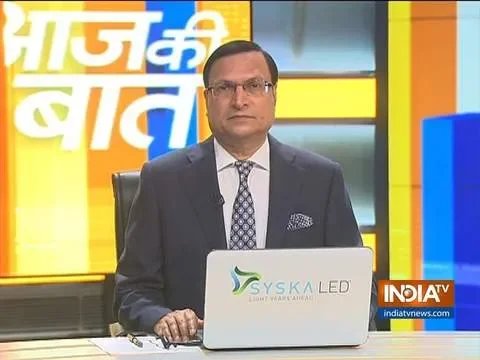
India TV News (Video): https://www.indiatvnews.com/video/aaj-ki-baat/aaj-ki-baat-outrage-over-two-muslims-offering-namaaz-prayers-inside-a-temple-in-mathura-661952