Recent analysis of Martian meteorites has uncovered contaminants, including ink fragments, suggesting that current sample preparation methods may compromise the integrity of extraterrestrial materials. This finding, emerging from work by a research team, highlights a critical need to refine protocols, particularly in light of upcoming sample-return missions.
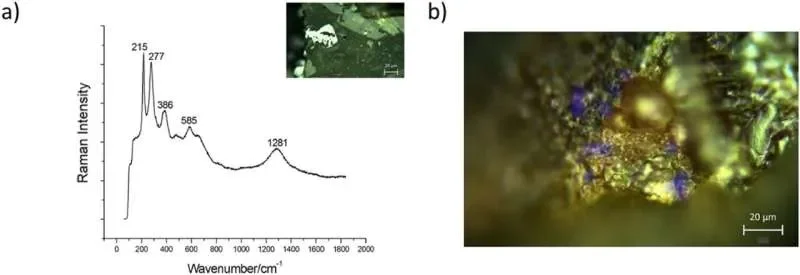
The identified contaminants fall into two primary categories. First, those originating from the preparation process itself, such as diamond fragments used in cutting and polishing. Second, residues stemming from handling, notably blue ink from unspecified sources. These intrusions underscore the delicate nature of working with extraterrestrial samples, where even seemingly minor external elements can interfere with scientific scrutiny.
The research, which involved the analysis of multiple Martian meteorites, employed techniques like 'Raman spectroscopy' to detect these unwanted residues. The objective was to pinpoint contaminants introduced during the preparation phase, a step often necessitated to access the inner regions of these ancient space rocks.
Read More: ISS Experiment Shows How Particles Change Turbulent Flows
This issue holds significant implications for planetary sciences, as meteorites serve as crucial windows into the geochemical composition of their parent bodies, like Mars or the Moon. Inaccurate readings due to contamination could lead to flawed conclusions about the makeup and history of these celestial worlds.
Crucially, the findings carry substantial weight for future 'sample-return missions'. The ability to prepare uncontaminated subsamples upon the arrival of extraterrestrial material on Earth is deemed essential for conducting reliable and accurate scientific research. Without robust, clean preparation methods, the scientific value of these meticulously collected samples could be significantly diminished, undermining years of effort and investment. The study thus serves as a pointed, albeit imperfect, reminder of the meticulous care required when examining fragments from beyond our atmosphere.
Read More: Moon-sized object passes Earth, sparking primordial black hole debate