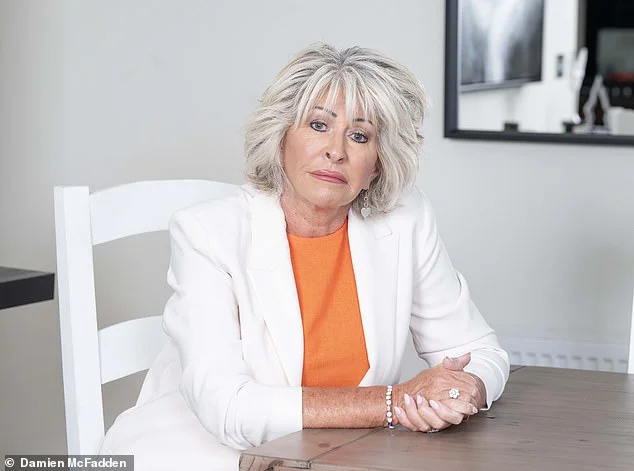
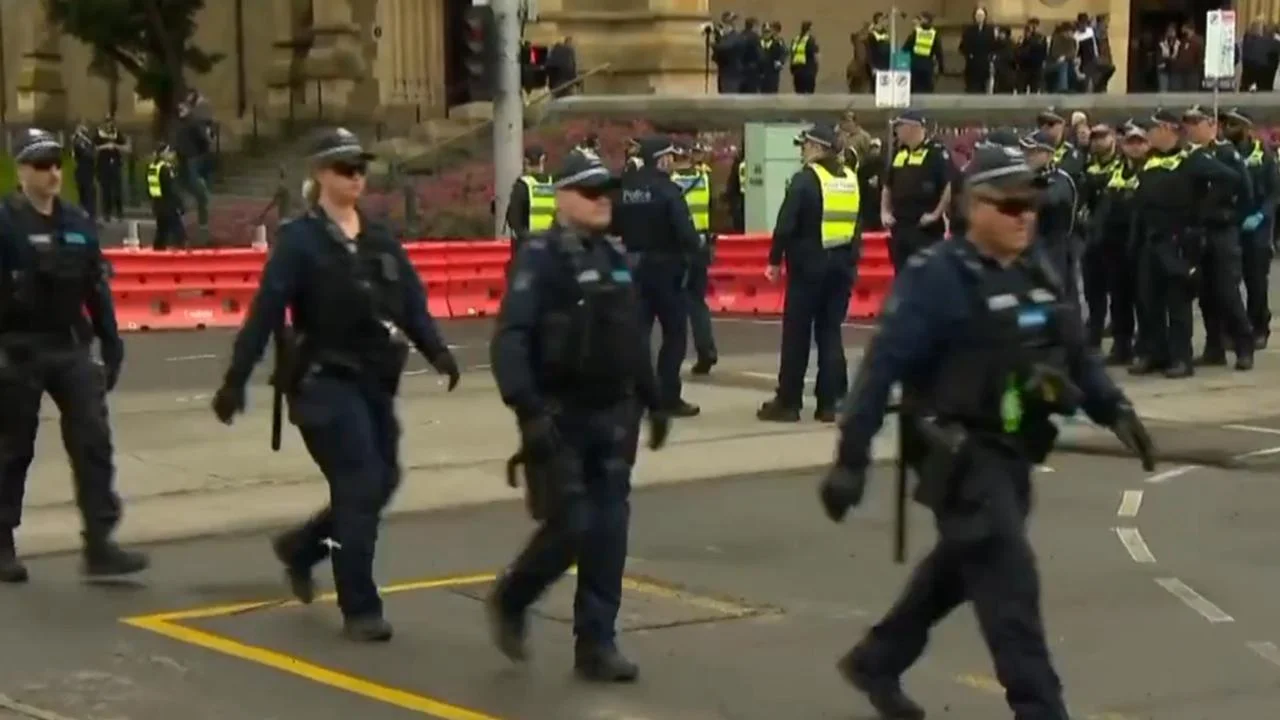
In the stark reality of our justice system, whispers of mistreatment within prison walls are increasingly echoing. When a high-profile figure like drug boss [Antonio Marrogi] claims he's being singled out for cruel treatment, not for his actions, but because the system is "embarrassed" by his notoriety, it forces us to confront uncomfortable questions about accountability, dignity, and the very purpose of incarceration. Marrogi's allegations of prolonged solitary confinement, denied basic human contact, and indignities like being left unclothed in his cell, paint a grim picture. But are these the desperate cries of a guilty man seeking sympathy, or are they a genuine indictment of a system that may be prioritizing punishment over rehabilitation, and public image over human rights?
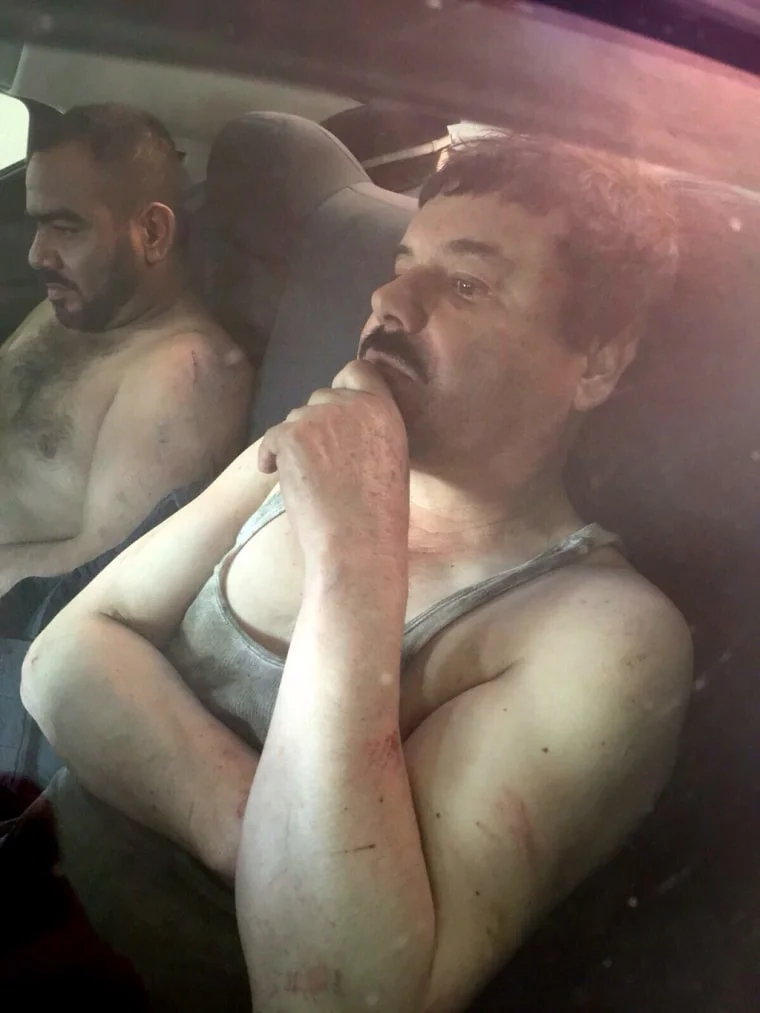
The Walls of Isolation: Marrogi's Claims of Cruelty
Antonio Marrogi, a convicted drug boss, is taking legal action against Victoria's Department of Justice and Community Safety, alleging inhumane treatment within the prison system. His lawsuit centers on claims that he has been held in segregation for nine years, leading to significant mental health distress.
Read More: Texas Case: First Federal Terrorism Charges Against Antifa Supporters

Separation and Suffering: According to his barrister, Sarala Fitzgerald, SC, Marrogi's segregation has meant he's been cut off from mainstream inmates.
Limited Contact: Even when permitted interaction within his segregation unit, it was reportedly restricted to activities like doing crosswords together.
Physical and Psychological Strain: Fitzgerald highlighted instances where Marrogi allegedly faced:
Prolonged periods without face-to-face contact.
Communication with a Jewish chaplain through a cell trapdoor.
Being left unclothed in his cell.
Non-compliant strip searches.
Hunger strikes without a visit from the prison governor.
Sleep deprivation.
Marrogi's legal challenge seeks to improve his prison conditions, specifically demanding greater access to open-air spaces and increased freedom while in custody. But what constitutes "cruel and unusual punishment" in the eyes of the law, and where is the line drawn when a prisoner's fame, or infamy, seems to influence their treatment?
Read More: Israeli President's Australia Visit Sparks Protests and Debate
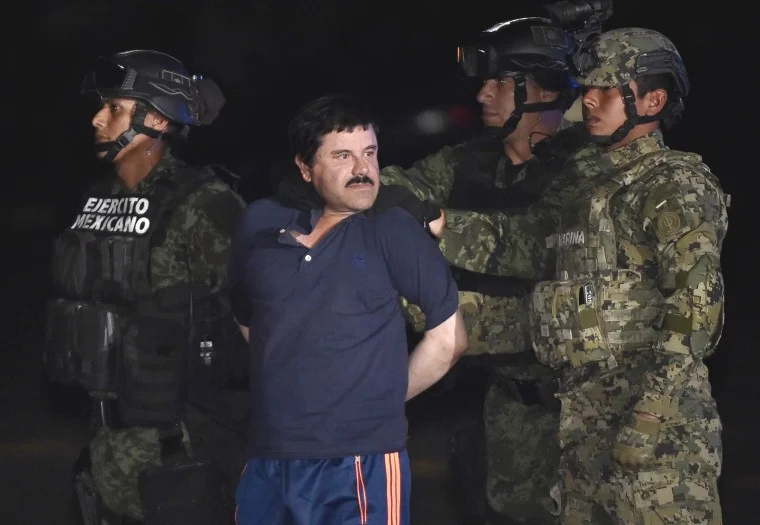
echoes of Infamy: The Ghosts of El Chapo and Escobar
Marrogi's situation, while specific, resonates with historical narratives of high-profile criminals and their often-tumultuous experiences within the penal system. The ghosts of figures like Joaquín "El Chapo" Guzmán and Pablo Escobar loom large, their stories woven with daring escapes, immense power, and the constant tension between evading justice and facing its consequences.
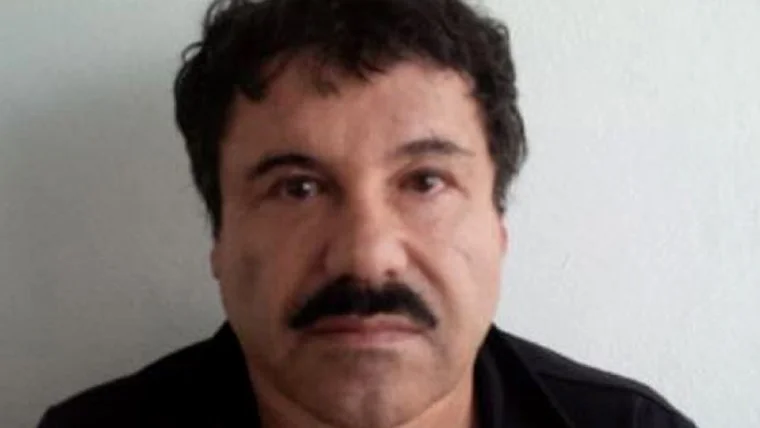
El Chapo's Elaborate Escapes: Guzmán, once dubbed the "number one drug-trafficking figure in history," famously escaped from Altiplano prison in Mexico not once, but twice. His 2015 escape involved an elaborate tunnel dug under his shower stall – a feat of engineering that not only embarrassed Mexican authorities but also underscored the resourcefulness of powerful cartels. The sheer audacity of such escapes begs the question: are maximum-security prisons truly secure for individuals who command vast resources and networks? His recapture and return to Altiplano, the very prison he escaped from, highlighted the persistent challenge of containing such figures.
Escobar's Strategic Surrender: In Colombia, drug lord Pablo Escobar surrendered in 1991 after a seven-year manhunt. His deal with authorities included a guarantee against extradition to the United States, a testament to his leverage and the complex political landscape surrounding the drug war. Did Escobar's surrender, brokered with promises of leniency, set a precedent for how powerful criminals can negotiate their terms, even from within prison?
Read More: ICE Agents Arrested After Claims of Bad Behavior and Crime
These figures, while vastly different in their crimes and nationalities, share a common thread: their notoriety seemed to shape their interactions with the justice system. How does the perception of a "kingpin" or "drug boss" influence the prison's approach to their incarceration? Is it a desire to make an example, or a fear of reprisal?
| Figure | Key Incident(s) | Alleged Prison Treatment Concerns |
|---|---|---|
| Antonio Marrogi | Suing for cruel and unusual punishment; prolonged segregation | Denied contact, psychological strain, physical indignities |
| Joaquín Guzmán | Multiple high-profile prison escapes | Repeatedly housed in facility from which he escaped |
| Pablo Escobar | Surrendered after manhunt; negotiated terms | Avoided extradition to the US through a deal |
The Corrupting Influence: When the Watchers Become Complicit
The integrity of any prison system hinges on the professionalism and ethical conduct of its staff. Recent incidents, however, suggest a troubling undercurrent of corruption and compromised boundaries within correctional facilities, raising serious questions about how inmate behavior, particularly that of powerful figures, can influence those tasked with their containment.
Read More: Superquiz Puzzles Are Still Available for Subscribers
Prison Governors in Compromising Positions: The case of Kerri Pegg, a former prison governor, stands as a stark example. Pegg was jailed for misconduct after developing an inappropriate relationship with drug boss Anthony Saunderson (nicknamed "Jesse Pinkman"). She controversially granted him temporary release, a decision she was not authorized to make. Her conviction highlights a failure in oversight and a vulnerability to manipulation, especially when personal relationships blur the lines of professional duty. This wasn't an isolated incident; Pegg's case is part of a string of convictions involving corrupt prison officers forming inappropriate relationships with inmates.
Turning a Blind Eye to Drugs and Debauchery: Disturbing footage has emerged showing prison officers seemingly complicit in illicit activities. In one instance, an officer was caught on camera explaining how an inmate could get away with using drugs. Another alarming video captured an officer engaging in sexual acts with an inmate, while a cellmate filmed the encounter. These incidents, often exposed by smuggled phones, suggest a systemic breakdown where rules are not just bent, but flagrantly disregarded. If officers are succumbing to such pressures or engaging in such misconduct, what hope is there for maintaining order and ensuring fair treatment for all prisoners, regardless of their status?
The Vicious Cycle of Low Morale and Manipulation: Experts point to issues like staff retention, inadequate training, and low morale as contributing factors to increased corruption. When prison staff are themselves struggling, they may become more susceptible to manipulation by inmates who often wield significant influence, particularly those with prior experience in organized crime. Could Marrogi's claims of "embarrassment" be a sophisticated ploy to exploit perceived weaknesses or anxieties within the prison administration, rather than a genuine grievance about cruel treatment? The prevalence of drugs within prisons, as highlighted in a PBS report, further complicates the environment, suggesting a constant battle where rehabilitation efforts can be undermined by the very elements the system is meant to control.
The Pursuit of Rehabilitation: Is it Lost in the Cells?
While punitive measures are a cornerstone of the justice system, the concept of rehabilitation often takes center stage in discussions about modern penology. However, the allegations made by Marrogi, coupled with the systemic issues of corruption and underfunding, raise critical questions about whether the prison system is truly equipped to foster rehabilitation, or if it has become an arena of prolonged punishment, particularly for those deemed "high-profile."
Read More: Teenager Allegedly Used Roblox Game in Canada Shooting
The Impact of Isolation on Mental Health: Marrogi's claim that nine years of segregation have severely impacted his mental health is a critical point. Prolonged solitary confinement is widely recognized as detrimental, potentially leading to anxiety, depression, paranoia, and even psychosis. If the goal of incarceration is to eventually reintegrate individuals into society, does isolating them to such an extreme degree achieve this, or does it actively hinder it by causing irreparable psychological damage?
Dwindling Resources, Expanding Problems: Reports indicate that as prisons cut classes and mental health care, the void is increasingly filled by drugs. This creates a self-perpetuating cycle: inmates facing untreated mental health issues or lacking constructive outlets may turn to substances for solace or escape, further complicating their rehabilitation prospects and potentially fueling a black market within the prison walls. Is the system inadvertently creating an environment where addiction and crime are reinforced rather than addressed?
The Elusive Definition of "Cruelty": Marrogi's argument that he is being treated cruelly out of "embarrassment" suggests a subjective interpretation of his treatment. While strip searches, sleep deprivation, and lack of contact can be severe hardships, the legal definition of cruel and unusual punishment is complex. How do courts differentiate between legitimate, albeit harsh, security measures and genuinely inhumane treatment, especially when the prisoner themselves is a figure of public notoriety and potentially a skilled manipulator? The pursuit of justice requires a delicate balance, ensuring that punishment is proportionate and that the dignity of every individual, even those convicted of heinous crimes, is respected within the bounds of the law.
The Unanswered Questions
Antonio Marrogi's lawsuit opens a Pandora's Box of complex issues that demand thorough investigation. As we peel back the layers of his allegations, several critical questions emerge, probing the very fabric of our correctional system:
Read More: Protests in Melbourne During Israeli President's Visit
The Definition of "Cruel" Treatment: What specific protocols and standards define cruel and unusual punishment within the Victorian prison system? How are these standards applied to inmates like Marrogi, and where is the line between security necessity and excessive deprivation?
The Psychology of Incarceration: How does prolonged segregation impact an individual's mental and physical well-being? Are the alleged deprivations Marrogi claims to have suffered – lack of fresh air, social contact, adequate sleep – standard procedure, or are they punitive measures being disproportionately applied?
The Influence of Notoriety: To what extent does a prisoner's public profile, or the nature of their crimes, influence the way they are treated by correctional staff and administrators? Is there a risk of "punishment by embarrassment" overriding objective treatment protocols?
Systemic Vulnerabilities: Given the documented instances of corruption among prison staff and the challenges of maintaining control over drug trafficking within facilities, how robust are the checks and balances in place to prevent abuse of power and ensure fair treatment for all inmates?
Rehabilitation vs. Retribution: In cases involving high-profile offenders, does the focus shift from rehabilitation to making an example? Are resources and attention being diverted from genuine reform efforts towards managing the perceived "threat" of notorious inmates?
Transparency and Oversight: What mechanisms are in place to independently monitor prison conditions and investigate inmate complaints of mistreatment? How effective are these mechanisms in ensuring accountability?
The legal battle initiated by Antonio Marrogi is more than just a dispute over prison conditions; it is a referendum on the fairness, humanity, and effectiveness of our justice system. The answers to these probing questions will not only determine Marrogi's fate but also shed light on the broader challenges of maintaining a system that is both just and humane.
Read More: New Files Show Sarah Ferguson and Prince Andrew Stayed Friends with Epstein
Sources:
Article 1: Drug boss says prison system treats him cruelly out of ‘embarrassment’ over his crimes
Article 2: Joaquín "El Chapo" Guzmán - Wikipedia
Article 3: Drug Kingpin 'El Chapo' Sent Back to Same Prison He Escaped From
Article 4: Mexico drug lord Joaquin Guzman used tunnel for prison break
Article 6: Jail treats inmates with substance abuse issues to break the cycle of recidivism
Article 7: Prison governor faces jail over relationship with Liverpool drug boss
Article 8: Moment prison officer tells inmate how to get away with using drugs
Article 9: Low morale and manipulation: why prison officers are having relationships with inmates
Article 10: Prison governor jailed over relationship with drug boss known as Jesse Pinkman
Article 11: As Prisons Shutter Classes and Mental Health Care, Drugs Fill the Gap
Article 12: Moment prison governor who had relationship with drug boss is arrested
Article 13: Treating Drug Abuse and Addiction in the Criminal Justice System: Improving Public Health and Safety - PMC
Read More: Many Protests Happen in Australian Cities