:max_bytes(150000):strip_icc():focal(696x355:698x357)/Mark-Fuhrman-01-051826-d319ed3032464da494a1660000933170.jpg)
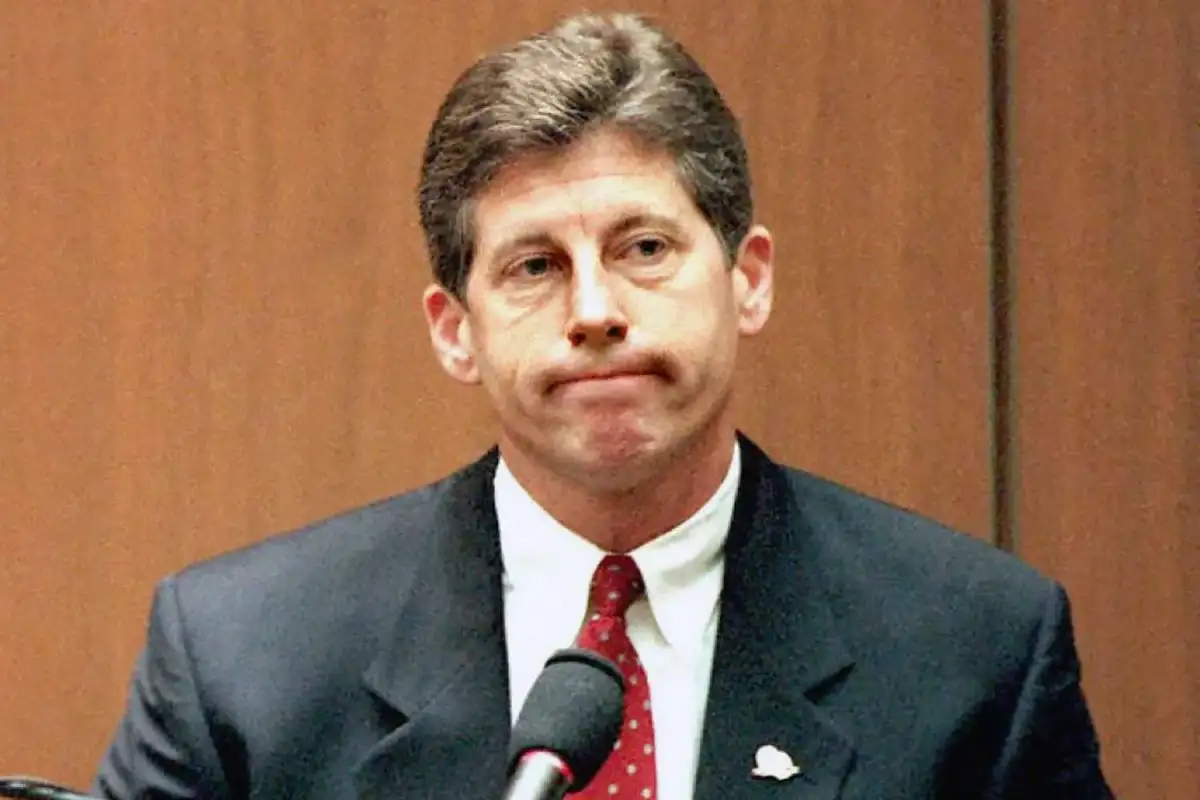
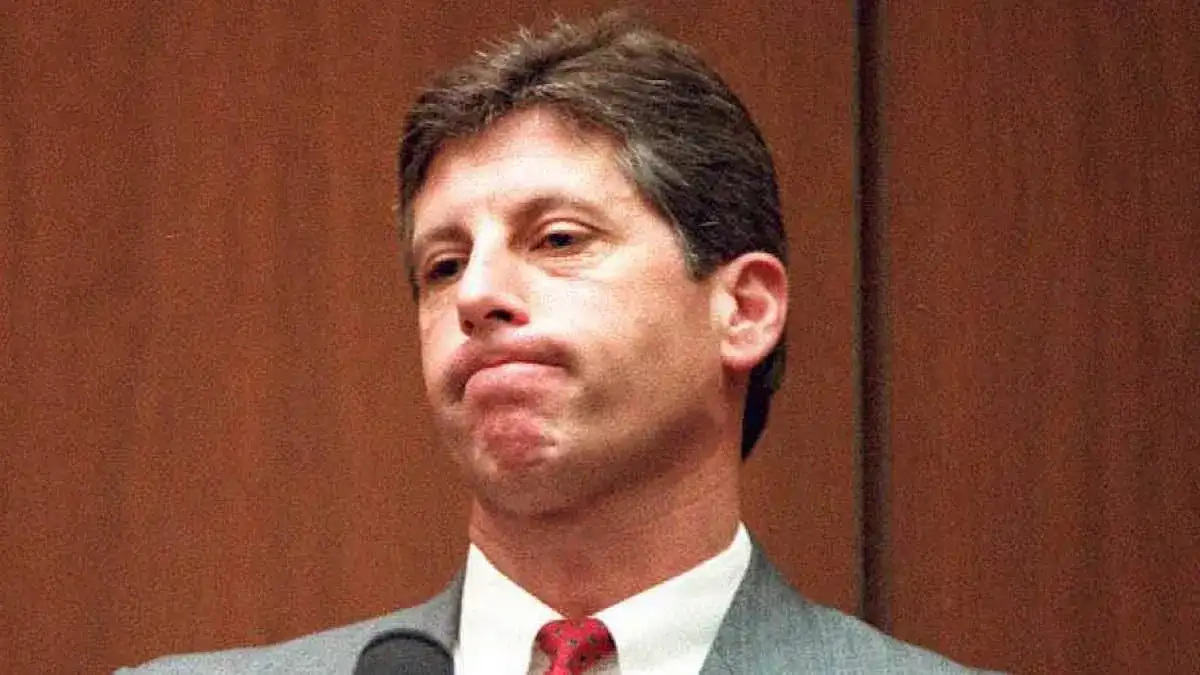
Mark Fuhrman, the former Los Angeles Police Department detective whose involvement in the O.J. Simpson murder investigation became a focal point of American legal and social tension, has died at age 74. The Kootenai County Coroner’s Office confirmed the death occurred last week in Idaho, following a struggle with an aggressive form of throat cancer.
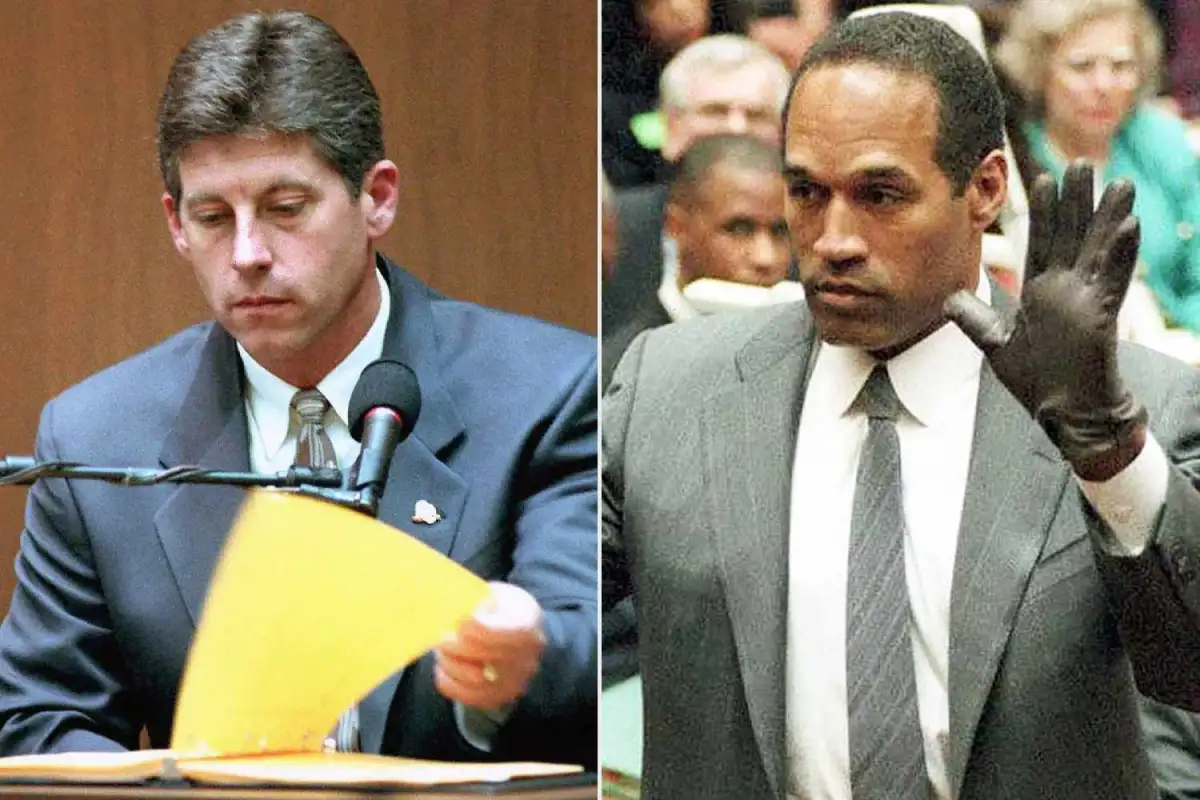
The detective’s death effectively concludes a decades-long chapter defined by the 1995 trial’s erosion of institutional trust. While Fuhrman was a primary investigator who discovered a pivotal bloody glove at the Simpson estate, his career is historically tethered to his later perjury conviction and the exposure of his use of severe racial slurs, which undermined the prosecution's evidentiary integrity.
The Anatomy of a Legal Rupture
The trial transformed from a murder inquiry into a profound examination of the LAPD’s internal culture, specifically regarding racial bias. The shift occurred after the defense presented audio recordings that directly contradicted Fuhrman’s sworn testimony.
Read More: Third Teen Charged in Fatal Stabbing Near Melbourne Hospital on Wednesday

| Investigative Phase | Conflict / Outcome |
|---|---|
| Discovery | Fuhrman locates a bloody glove at the Simpson residence. |
| Cross-Examination | Defense exposes Fuhrman’s past usage of racial epithets. |
| Trial Impact | Prosecution credibility collapses; perjury charges follow. |
| Legacy | Shift from police investigator to media commentator. |
Institutional Consequences: The revelation that a lead detective had provided false testimony provided the defense team with the narrative weight necessary to challenge the chain of custody regarding forensic evidence, most notably the theory that evidence was fabricated.
Post-Trial Trajectory: After pleading no contest to perjury and leaving law enforcement, Fuhrman re-emerged in the public sphere as a writer and political commentator, maintaining a polarizing presence that mirrored the deep divides present during the initial 1994–1995 proceedings.
Contextualizing the Legacy
The death of Fuhrman brings renewed scrutiny to the mechanisms of 1990s law enforcement. His role is often cited as the pivot point where the O.J. Simpson trial transcended the facts of a double homicide to become a mirror for the nation’s systemic disputes over policing and racial inequity.
Critics and historians observe that while Fuhrman eventually left the force, his name remains an immutable shorthand for the failure of the justice system to maintain objectivity in the face of prejudice. The physical evidence—specifically the glove, which notoriously failed to fit the accused in a courtroom demonstration—stands alongside Fuhrman’s own recorded rhetoric as the twin symbols of a trial that altered the trajectory of televised criminal justice in the United States.
Read More: Cassie Ventura Leaves US After Diddy Trial Testimony


/cloudfront-ap-southeast-2.images.arcpublishing.com/nzme/RVI7RFHOI34HTKKRUG3LS6DNVY.jpg)