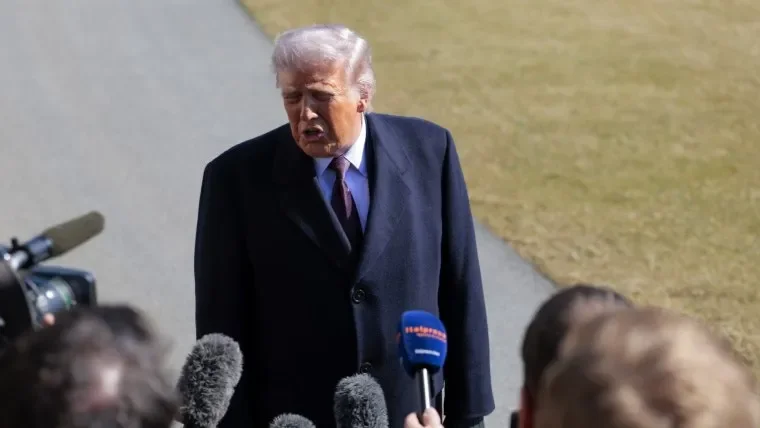
Donald Trump has signaled that the decades-old governance in Cuba is nearing its end, positioning Secretary of State Marco Rubio to oversee what the administration describes as an inevitable dissolution. In a series of statements, the President claimed the island’s leadership is looking for a "deal" to exit, though he emphasized that active maneuvers would wait until the current conflict with Iran reaches a conclusion.
The Levers of Pressure
| Tactic | Objective | Key Actor |
|---|---|---|
| Criminal Probes | Target inner circle for legal leverage | Jason Reding Quiñones (FL Prosecutor) |
| Energy Choke | Starve power plants of crude oil | US Treasury/State Dept |
| Diplomatic Siege | Force a "transition" through Rubio | Marco Rubio |
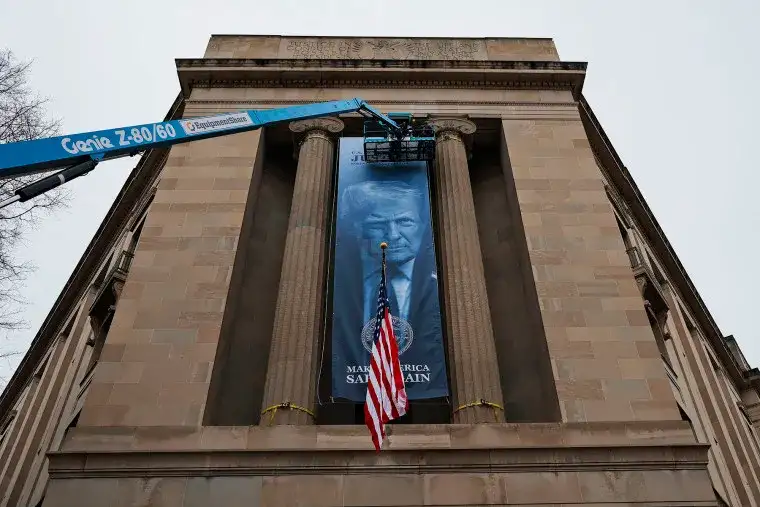
The administration’s strategy appears to be a mix of economic exhaustion and the threat of criminal prosecution. In Florida, federal investigators have formed a "working group" to hunt for legal violations committed by members of the Cuban Communist Party. This legal dragnet operates alongside a tightening grip on the island's energy supply, which has left the local population dealing with a flickering, unreliable power grid.
Read More: Trump China Talk Makes India Worry About Power Balance
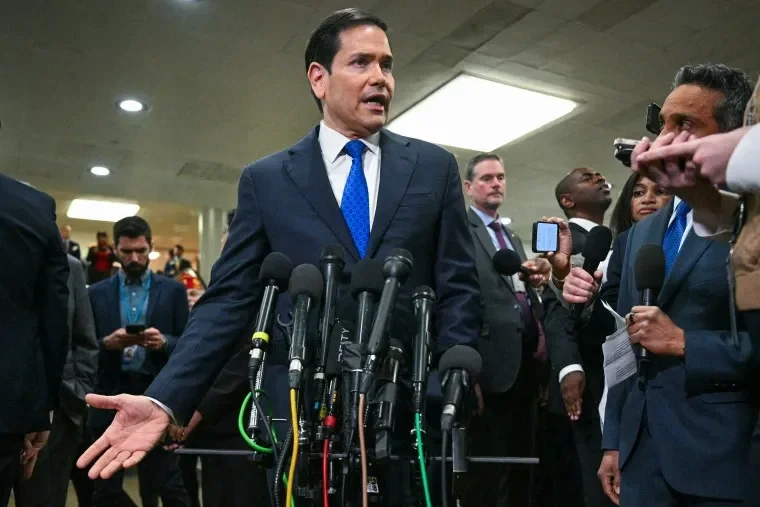
"We’ve got plenty of time, but Cuba’s ready—after 50 years… I’m going to put Marco over there and we’ll see how that works out." — Donald Trump
The administration is betting that a lack of oil and the threat of prison will force a surrender from Havana.
Structural Decay and Geopolitical Queues
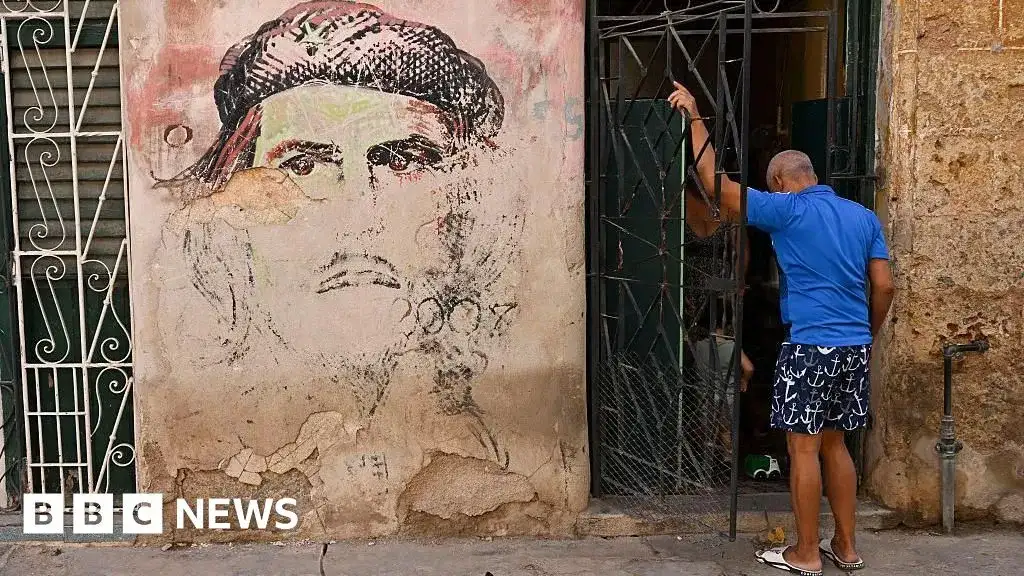
The island is currently a place of dark windows and quiet factories. Mexico and other regional partners have failed to replace the oil once provided by Venezuela, leaving the island’s thermal energy plants unable to meet the most basic needs of the people.
The Rubio Factor: Rubio, whose parents fled the island, is described by the President as having this mission in his "DNA."
The Nicaragua Prospect: Representatives like Carlos Gimenez suggest the focus will widen to include Managua once the Havana situation is resolved.
Backdoor Silence: While Trump claims the Cuban government is begging for a deal, officials in Havana have kept a stony, unconfirmed silence regarding any secret talks.
Reflections on the Crumbling Edge
The current rhetoric treats the fall of the Cuban state as a foregone conclusion, yet the mechanics of what comes after the "fall" remain opaque and messy. Critics and analysts note that while the pressure is heavy, the White House has not shared a blueprint for how a country with a hollowed-out economy transitions into something new without lurching into chaos.
Background: The island has survived decades of embargoes and the loss of Soviet subsidies, but the current synergy of Florida-based legal threats and a total energy collapse marks a more aggressive, localized push by the current administration. The rhetoric suggests a belief that the "Cuban Experiment" is finally out of breath, waiting for a final shove from a Miami-born Secretary of State.
Read More: Cuba power grid fails nationwide for third time in March