Concerns Grow Over Chemical Impact on Mango Quality and Yields
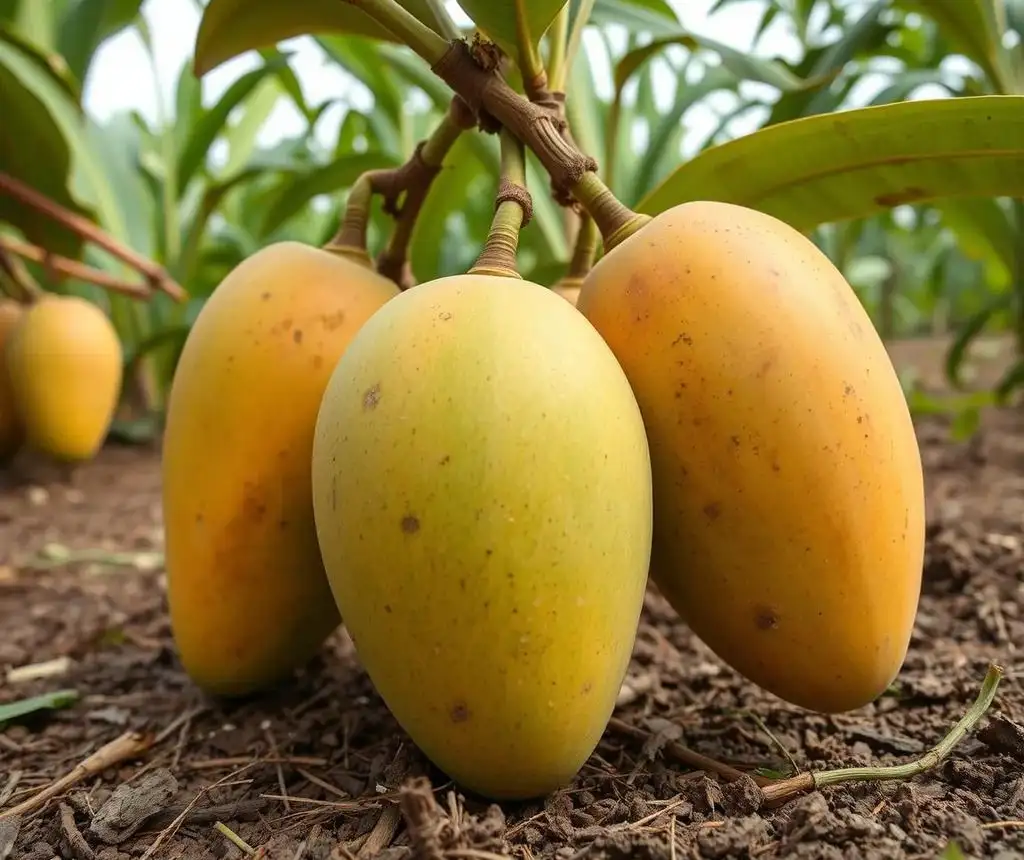
A push for less chemical use in mango farming is gaining momentum. Experts and training programs are telling farmers that using fewer chemical fertilizers and pesticides can lead to better quality mangoes and bigger harvests. This comes as more information becomes available about how these chemicals affect not just the plants but also the soil and potentially human health. The goal is to find ways for farmers to grow more and better fruit while also taking care of the land.

Efforts to Reduce Chemical Dependence in Mango Farming
In the Chittoor district of India, specifically in areas where Totapuri mangoes are grown, training programs are being held. Organizations like Tirupati Rashtriya Seva Samithi (RASS), with support from the Coca-Cola Foundation, are working with farmers. They held a program recently where they talked about using chemical fertilizers and pesticides wisely. Farmers were given kits with things like Multi-K, bio-fertilizers, Pongamia oil, and micronutrient mixtures to try out on their farms. Scientists shared advice on how to get the best results from mango trees.
Read More: EU Farmers Get Flexibility for Cleaner Air Under New CAP Plans

Scientific Basis for Reducing Chemical Fertilizers
Studies show that using less chemical fertilizer and more organic or slow-release types can be good for mango plants and the soil.

Soil Health: Research suggests that over-reliance on certain chemical fertilizers, like phosphorus, can change the types of tiny living things (bacteria) in the soil, which might not be good in the long run.
Balanced Nutrition: Using organic fertilizers and materials helps improve the soil's overall health and provides nutrients in a way that plants can use better over time.
Sustainable Practices: Combining organic and chemical fertilizers can lead to steady harvests and help keep carbon in the soil, which is important for the environment.
Benefits of Biofertilizers and Organic Methods
Biofertilizers and organic farming methods are presented as strong alternatives.
Nutrient Supply: Biofertilizers, which use living organisms like bacteria, can help mango trees get important nutrients like phosphorus and nitrogen. This helps in developing strong roots and improving fruit quality.
Soil Fertility: Organic farming focuses on building up healthy soil by adding things like compost. This provides the necessary food for mango trees naturally.
Pest Management: Organic farmers often use Integrated Pest Management (IPM) strategies. This means using a mix of methods to control pests and diseases without relying heavily on chemical sprays.
Potential Downsides of Chemical Use
Concerns exist about the negative effects of chemicals on farmers and the environment.
Health Risks: Studies have looked into how pesticide use affects farmers' health, including how they get exposed and the health problems that can arise from this.
Environmental Impact: While not detailed in these specific articles, a general understanding exists that heavy chemical use can harm soil ecosystems and water sources over time.
Technological Advancements in Mango Farming
New technologies are also being explored to help farmers grow more mangoes efficiently and sustainably.
Precision Agriculture: Tools like drones can give farmers a better view of their orchards, helping them manage their crops more effectively.
Artificial Intelligence (AI): AI is being used to help farmers make better choices about how they grow their mangoes, leading to more optimized farming processes.
Biopesticides: Companies are developing natural ways to control pests, like using a fungus found in the soil to manage fruit flies. This is seen as a good alternative to chemical pesticides.
Looking Ahead: A Shift Towards Sustainable Mango Production
The trend suggests a move towards more sustainable mango farming practices. By reducing chemical use, adopting organic and biofertilizer methods, and utilizing new technologies, the aim is to improve both the quantity and quality of mango harvests while protecting the environment. This approach could also help Kenyan farmers tap into export markets that often have strict rules about chemical residues.
Read More: New Study: Higher Income Means More Food Waste, Up to a Point
Sources Used
The Hindu: Reports on a training program in India advising mango farmers to reduce chemical use for better yields.
https://www.thehindu.com/news/national/andhra-pradesh/mango-farmers-urged-to-reduce-chemical-use-for-better-yields/article70624248.ece
ScienceDirect: An article evaluating the benefits of organic and slow-release fertilizers for mango yield and soil health.
https://www.sciencedirect.com/science/article/pii/S0048969724054470
Biofield: An article discussing how biofertilizers can boost yield and quality in organic mango farming.
https://biofield.com.ua/en/articles/biofertilizers-organic-mango-farming-boosting-yield-quality1230
Taylor & Francis Online: A study on mango farmers' knowledge, attitudes, and practices regarding pesticide use in Ghana.
https://www.tandfonline.com/doi/full/10.1080/23311932.2025.2538624
Getfarms: Information on methods and strategies for organic mango farming.
https://getfarms.in/Organic-Mango-Farming-Methods-and-Strategies
Plantmol: An article on innovative technologies for maximizing mango production and yields.
https://plantmol.com/maximizing-mango-production-innovative-technologies-for-higher-yields/
Mfarms Blog: Discusses innovations in farming technology that enhance mango production.
https://managedfarms.in/enhancing-mango-production-innovations-in-farming-technology
Inkl: A news report on Kenyan mango farmers switching from chemicals to improve exports.
https://www.inkl.com/news/kenya-s-mango-farmers-ditch-chemicals-to-boost-exports