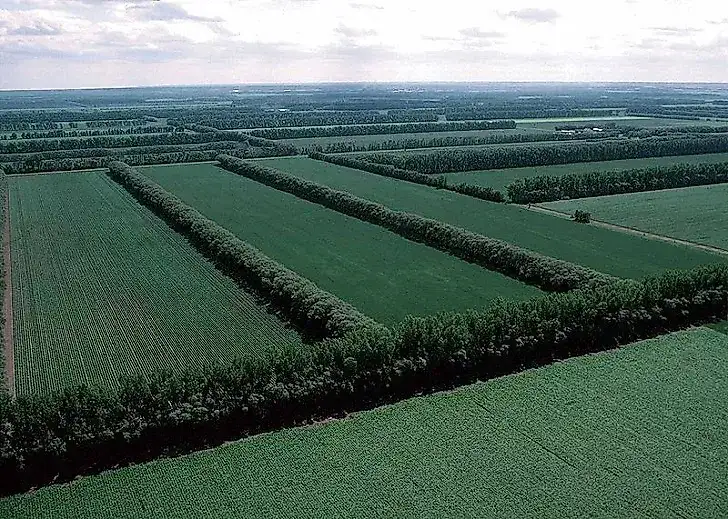
Planting tree belts on wet farmland, a practice often lauded for its benefits to wind erosion control and wildlife, may carry an unacknowledged cost. While these tree lines offer shelter for crops and create habitats, their impact on the overall productivity and water management of agricultural lands presents a complex equation, particularly on soils that are already waterlogged. The potential for these green infrastructure projects to subtly alter water dynamics and influence the yields of staple crops warrants a closer examination of their full environmental and economic footprint.
Project Background and Goals
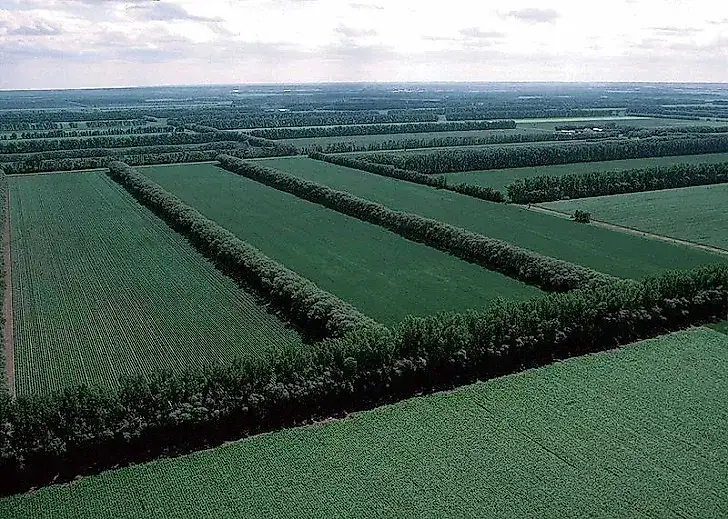
The concept of planting tree belts, also known as windbreaks or shelterbelts, is rooted in the desire to mitigate wind erosion and improve agricultural conditions.
Primary Objective: To reduce wind speed near the ground, thereby protecting soil from erosion.
Secondary Benefits: Providing shelter for crops, creating habitats for wildlife, and improving the local microclimate.
Implementation: Trees are typically planted along field edges or around structures in exposed areas prone to high wind velocities.
Examining the Impact on Crop Production
The effects of shelterbelts on agricultural output are not uniformly positive and require a nuanced understanding, especially concerning different types of agricultural products.
Read More: Andhra Pradesh aqua farmers face higher feed costs and export issues
Crop Yields: Studies investigate the direct impact of shelterbelts on the production of major crops. While some analyses suggest a positive effect on crop yields due to reduced wind stress, the extent of this benefit can vary.
Animal Product Production: The influence on animal products is also a consideration, though its relationship with tree belt planting is less frequently the primary focus of such studies.
Empirical Challenges: Assessing these impacts involves navigating potential endogeneity concerns. Changes in land use or revenue in the years before shelterbelt planting could be correlated with the very factors that might explain the observed outcomes.
The Waterlogged Farmland Dilemma
The specific context of wet farmland introduces a critical trade-off that has been historically overlooked.
Water Retention: Tree belts planted on land with high soil moisture content can potentially exacerbate existing waterlogging issues. Trees, through their root systems and transpiration, can alter local hydrology.
Drainage Concerns: On soils already struggling with drainage, the presence of dense tree lines might impede natural water flow, leading to prolonged saturation of the soil.
Crop Suitability: This persistent saturation can be detrimental to crops that require well-drained conditions, potentially leading to reduced yields or even crop failure.
Wildlife and Local Environment
Beyond agricultural output, shelterbelts are recognized for their ecological contributions.
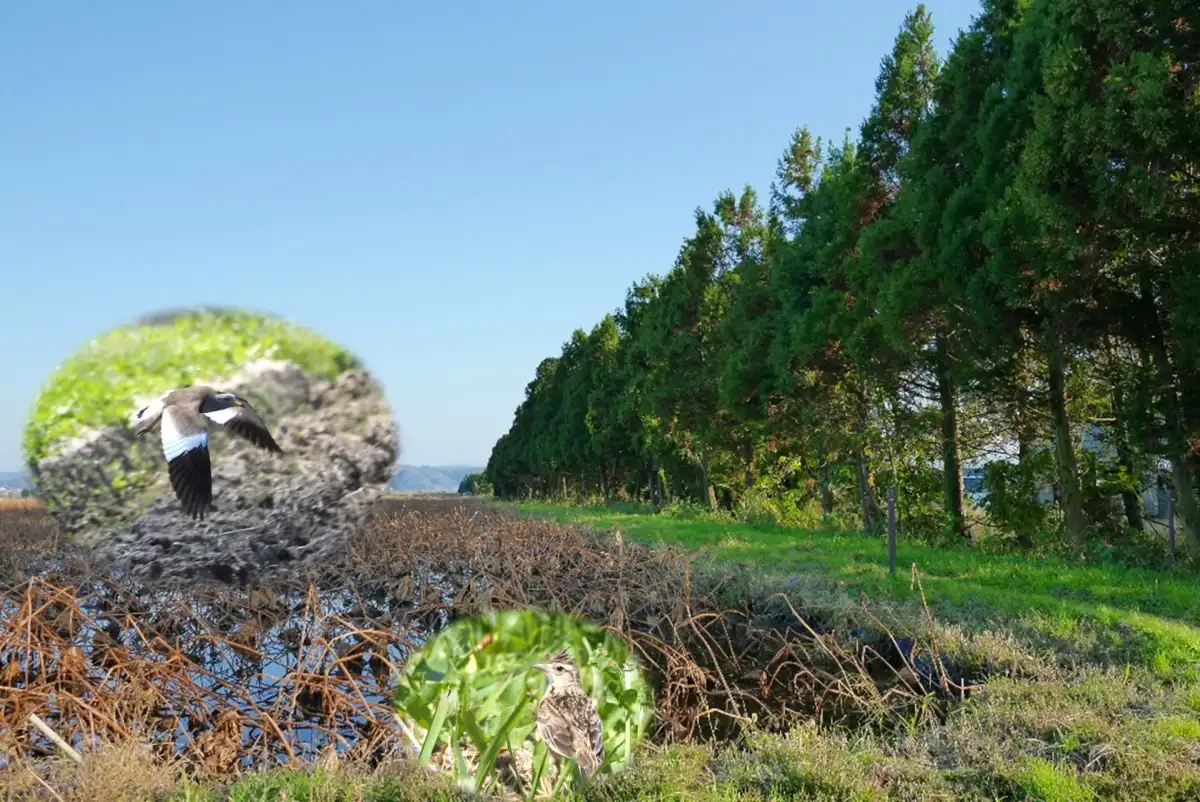
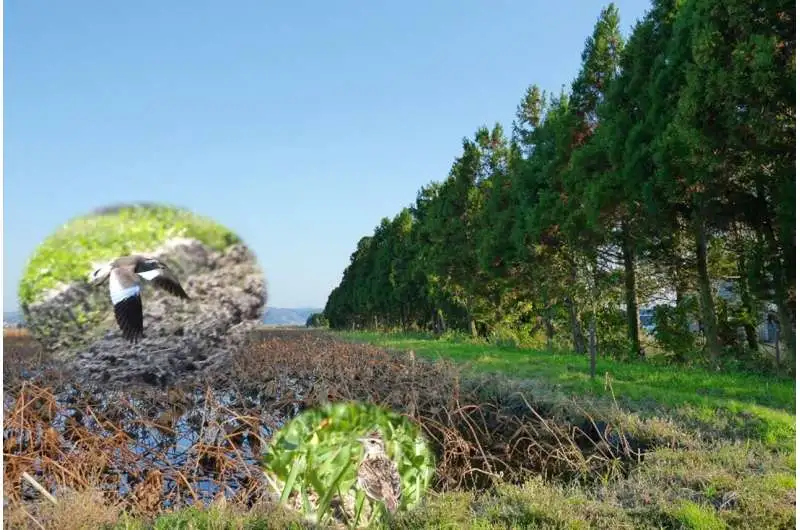
Biodiversity: Properly constructed windbreaks and shelterbelts can be advantageous for wildlife, offering nesting sites and foraging opportunities.
Habitat Creation: They serve as corridors and refuges for various species within agricultural landscapes.
Local Microclimate: The reduction in wind speed can create a more stable and favorable environment for both flora and fauna in the immediate vicinity.
Expert Insights and Analysis
Research into the efficacy and consequences of shelterbelt projects highlights the need for careful planning and consideration of local conditions.
"The impact of shelterbelts on crop production is a subject of ongoing empirical investigation, with results that are often conditional on the specific crop, climate, and soil type."
"While the benefits for wind erosion control and habitat creation are undeniable, the hydrological effects on saturated soils represent a significant area for further study and potential mitigation."
Conclusion: A Call for Comprehensive Assessment
The practice of planting tree belts on farmland, particularly on wet soils, presents a multifaceted outcome. While the advantages of wind erosion control and ecological enhancement are well-documented, the potential for these interventions to negatively affect water management and crop yields on already waterlogged land demands rigorous investigation. Future initiatives must move beyond a singular focus on wind protection to incorporate a holistic evaluation of their impact on soil moisture, drainage, and the overall productivity of diverse agricultural systems. The obvious benefits should not obscure the less apparent costs.
Read More: Hantavirus Risk Grows as Climate Change Affects Rodents
Sources and Context
Protecting the Breadbasket with Trees? The Effect of the Great Plains Shelterbelt Project on Agriculture: Published in the Journal of Economic Literature (May 1, 2021). This article delves into the economic effects of agricultural projects, specifically examining how shelterbelts influence crop production and land use, while acknowledging methodological challenges in isolating these impacts.
Windbreaks And Shelterbelts: Wind Erosion Control In Farming: Published on WorldAtlas.com (April 25, 2017). This piece provides a general overview of windbreaks and shelterbelts, outlining their primary function in wind erosion control and their ancillary benefits for wildlife and agriculture.
Link: https://www.worldatlas.com/articles/windbreaks-and-shelterbelts-wind-erosion-control-in-farming.html
Planting tree belts on wet farmland comes with an overlooked trade-off: Published on Phys.org (February 2026). This report highlights a potential negative consequence of planting tree belts on wet farmland, suggesting an environmental trade-off that has been underappreciated. The specific details are minimal in the provided input.
Link: https://phys.org/news/2026-02-tree-belts-farmland-overlooked.html