The shadows of the Jeffrey Epstein scandal have reached into the heart of British politics, ensnaring former Labour titan Peter Mandelson. Freshly released files have triggered a criminal investigation by the Metropolitan Police, focusing on allegations that Mandelson, a former Business Secretary and a life peer in the House of Lords, leaked "market-sensitive" and "confidential" government information to the convicted sex offender. The fallout has been swift: Mandelson has resigned his Labour Party membership and announced his retirement from the House of Lords. But what exactly are the allegations, what is the historical context of Mandelson's relationship with Epstein, and what are the broader implications for public trust in Westminster?
A Scandal Unfolds: The Accusations Against Mandelson
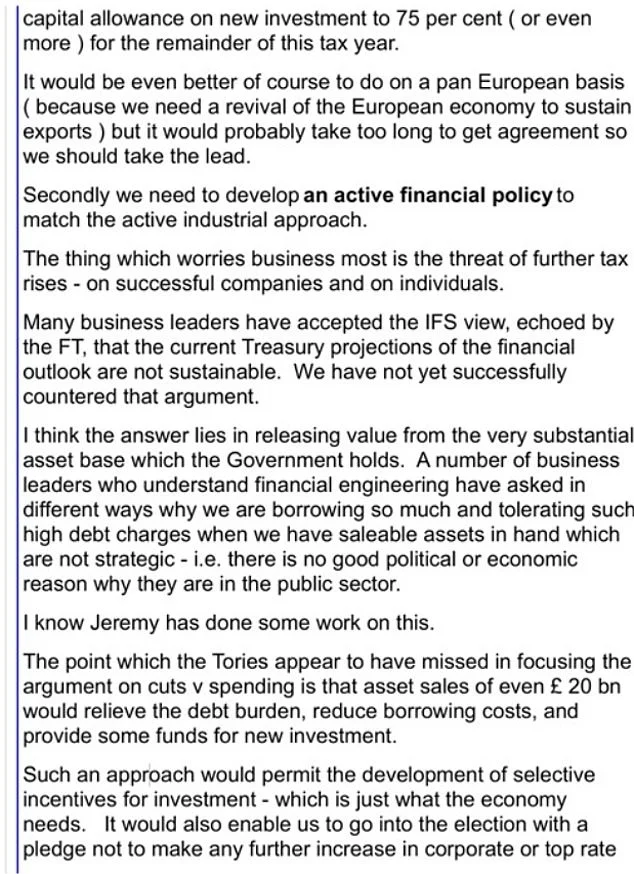
The core of the escalating crisis centres on accusations that Peter Mandelson shared sensitive government information with Jeffrey Epstein. This alleged misconduct reportedly occurred while Mandelson served as Business Secretary under Prime Minister Gordon Brown, a period of significant global financial instability.
Read More: Trump Disagrees with Federalist Society, Judge Stops His Courtroom Talk
Nature of Allegations: Reports suggest Mandelson forwarded internal government communications to Epstein. These communications are described as "market-sensitive," implying they contained information that could impact financial markets, and "confidential," indicating they were not for public disclosure.
Timing: The alleged leaks appear to have taken place during the height of the global financial crisis, a critical time for government decision-making.
Potential Offences: The Metropolitan Police are investigating allegations of "misconduct in public office," an offence that can carry a maximum sentence of life imprisonment.
Calls for Investigation: Multiple political parties, including the SNP and Reform UK, have formally reported Mandelson to the police.
Government Response: The UK government has pledged full support to the police investigation and is reportedly exploring legislation to strip Mandelson of his peerage and noble title.
The question looms large: Did Peter Mandelson, a man once described as a "prince of the realm" and a "power broker," abuse his position for personal or undisclosed reasons?
Read More: Sir Jim Ratcliffe Says Sorry for Immigration Comments

A Tangled History: Mandelson and Epstein's Intertwined Paths
The revelations about Peter Mandelson's alleged leaks to Jeffrey Epstein are not entirely out of the blue. The association between the two men has been a subject of scrutiny for years, but the recent release of the Epstein files has brought damning new details to light.
Timeline of Known Interactions and Scrutiny:
| Year(s) | Event | Source of Information |
|---|---|---|
| Pre-2008 | Mandelson had known contact with Epstein; some reports suggest financial payments were made to Mandelson. | Article 5, Article 14 |
| 2008 | Mandelson, as Business Secretary, allegedly shared "market-sensitive" information with Epstein. | Article 1, Article 2, Article 7, Article 11, Article 14, Article 15 |
| 2008 | Mandelson allegedly forwarded an email to Epstein that was addressed to the Prime Minister (No 10). | Article 7, Article 14 |
| 2008 | Emails suggest Epstein used Mandelson to arrange private tours of Downing Street for guests. | Article 7 |
| 2008 | Mandelson allegedly lobbied ministers on Epstein's behalf regarding a proposed tax on bankers' bonuses. | Article 7 |
| 2026 (Feb) | New Epstein files are released, detailing further interactions and alleged leaks. | Article 1, Article 2, Article 3, Article 4, Article 5, Article 8, Article 9, Article 10, Article 11, Article 12, Article 15 |
| 2026 (Feb) | Mandelson resigns Labour membership, expresses regret for being "further linked" to Epstein scandal. | Article 5, Article 8, Article 14 |
| 2026 (Feb) | Mandelson announces resignation from the House of Lords. | Article 3, Article 4, Article 15 |
| 2026 (Feb) | Metropolitan Police confirm a criminal investigation into allegations of misconduct in public office. | Article 4, Article 9, Article 11, Article 12, Article 15 |
Read More: Lawmakers Question Attorney General Bondi on Epstein Files
The long-standing nature of Mandelson's connection to Epstein, coupled with the apparent escalation of the alleged wrongdoing during his ministerial tenure, raises serious questions about due diligence and ethical conduct at the highest levels of government.
Mandelson himself has made statements acknowledging his relationship with Epstein, at times describing him as "muck that you can't get off your shoe," and expressing regret for his association. However, he has also reportedly denied remembering certain alleged financial payments. This raises the question: was Mandelson merely "too trusting," as he has suggested, or was there a more deliberate exchange of information and influence?
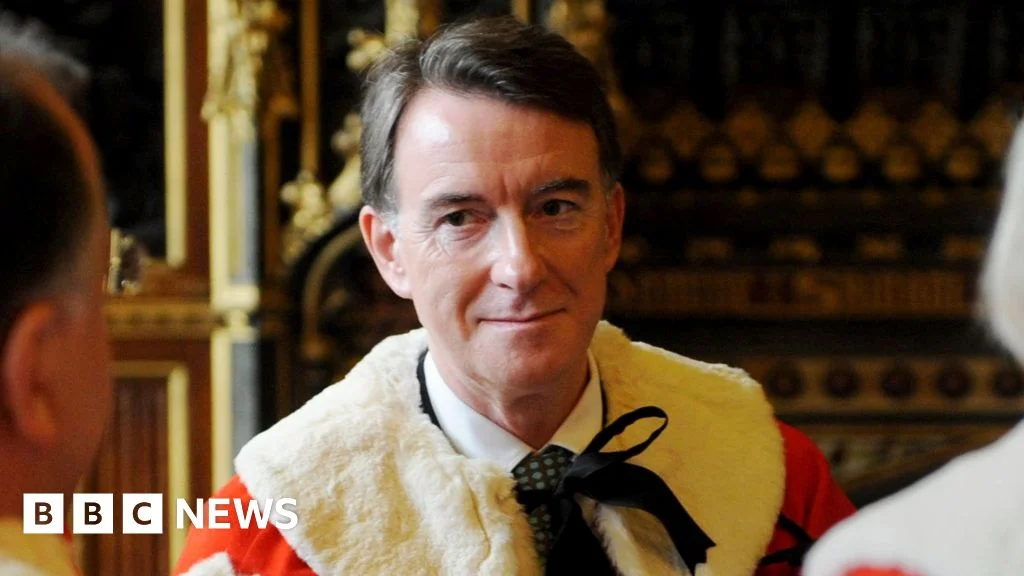
Beyond the Leaks: Other Allegations and Political Fallout
While the primary focus of the criminal investigation is on the alleged leak of market-sensitive information, other aspects of Peter Mandelson's relationship with Jeffrey Epstein are also coming under intense scrutiny, leading to significant political repercussions.
Read More: Thomas Partey Denies Rape and Sexual Assault Charges
Financial Dealings: There are suggestions of Epstein making substantial financial payments to Mandelson or his husband. Mandelson has reportedly denied knowledge of these payments and stated he will investigate their authenticity.
Access and Influence: Emails indicate Epstein sought Mandelson's assistance in arranging tours of Downing Street, raising concerns about unauthorized access to sensitive government locations. Furthermore, there are suggestions Mandelson may have lobbied ministers on Epstein's behalf.
Resignation from the House of Lords: Facing mounting pressure and the prospect of forced removal, Mandelson announced his resignation from the House of Lords, effective February 4th. This move, while voluntary, comes amidst government preparations to legislate for his expulsion and removal of his title.
Resignation from Labour Party: Prior to the Lords resignation, Mandelson stepped down from his Labour Party membership, citing regret over his association with the Epstein scandal.
Parliamentary Uproar: Members of Parliament from various parties have expressed "fury" and called for swift action, demanding that Mandelson face consequences for his alleged actions.
The breadth of these allegations suggests a pattern of problematic engagement with Epstein, extending beyond simple professional courtesy to potentially involve the misuse of political access and sensitive information.
Read More: Congress Leader Accuses Finance Minister of Lying to Parliament About WTO Deal
The swiftness of these developments, from the release of new files to a criminal investigation and resignations, underscores the gravity with which these claims are being treated. The question remains: what more will emerge from the Epstein files, and what will be the ultimate cost to Mandelson's legacy and the public's faith in its political class?
The Duty of Public Office: What Does Misconduct Mean?
The criminal investigation into Peter Mandelson centres on "misconduct in public office." This is a serious common law offence that, while not as precisely defined as statutory crimes, broadly covers the unlawful behaviour by a person in a position of authority.
Key Elements of Misconduct in Public Office:
Breach of Trust: The individual must be in a position of public trust or authority.
Unlawful Behaviour: The actions taken must be beyond the scope of their lawful duties. This can include:
Failing to act as required by law or custom.
Acting in a way that is contrary to the public interest.
Neglecting to exercise the powers vested in them.
Disclosing confidential information without lawful authority.
Intent: In some interpretations, there needs to be an intention to cause harm or a wilful disregard for duty, though the threshold can vary.
Read More: New Files Show Sarah Ferguson and Prince Andrew Stayed Friends with Epstein
In Mandelson's case, the specific allegations revolve around the wilful disclosure of confidential and market-sensitive government information to a known individual with questionable motives, which could be seen as a direct breach of his duty to protect such information and act in the public interest.
Historical Precedents and Related Incidents:
While direct parallels are rare, the concept of public officials misusing their position has surfaced in various forms:
The Profumo Affair (1963): While primarily a scandal of personal conduct, it highlighted issues of ministerial indiscretion and national security concerns.
Leaking of Sensitive Information: Various instances of individuals leaking classified or sensitive documents to the media or other parties have led to investigations, though often falling short of criminal charges for public office misconduct unless clear intent to harm or personal gain is proven.
Epstein's Wider Network: The Epstein scandal itself has implicated numerous high-profile individuals globally, though often the investigations focus on the criminal acts of exploitation rather than the complicity of those who associated with him, unless a specific crime is proven.
Read More: Keir Starmer Faces Questions After Top Civil Servant Leaves and Controversial Appointments
The investigation into Mandelson is significant because it directly targets a former senior minister for actions allegedly taken while in office, using information gained through that office, and directing it towards an individual widely understood to be manipulative and dangerous. The outcome will not only determine Mandelson's personal legal fate but also set a precedent for holding public figures accountable for breaches of trust in the digital age.
Probing Questions for a Deeper Understanding
As this investigation unfolds, a multitude of questions demand answers to fully comprehend the depth of this scandal and its implications.
What was the precise nature and scope of the "market-sensitive" information allegedly leaked? Was it strategic economic data, insider knowledge of impending policy changes, or something else entirely?
To what extent did Jeffrey Epstein leverage this information? Were there demonstrable instances where Epstein or his associates benefited financially or otherwise from the intelligence provided by Mandelson?
Were there other instances of Mandelson sharing sensitive government information with Epstein, or other individuals, during his tenure? What internal checks and balances, if any, were in place to prevent such disclosures?
What was the exact nature and extent of the financial transactions, if any, between Mandelson and Epstein? How much money was exchanged, and on what dates? Why has Mandelson stated he does not recall these payments?
Did Mandelson receive any personal or professional benefits in return for his alleged assistance or information sharing with Epstein? This could include career advancement, financial gain, or social favors.
What was the explicit understanding or agreement, if any, between Mandelson and Epstein regarding the exchange of information? Was it a one-way street, or was there a mutual understanding of quid pro quo?
How did Mandelson's alleged actions align with the broader governmental objectives during the 2008 financial crisis? Could his disclosures have inadvertently undermined or complicated the government's response?
Beyond the criminal investigation, what systemic failures within the government allowed for such alleged breaches of trust to occur? What security protocols were in place, and were they adequately enforced?
What is the Prime Minister's office's full understanding of the extent of Mandelson's communications with Epstein while he was a government minister? What steps are being taken to ensure transparency and accountability within Downing Street?
Will the government's legislative efforts to strip Mandelson of his peerage be retroactive, or will it set a new precedent for future cases?
Read More: Champion Horse Constitution Hill Tries New Race Type
These are not mere academic inquiries; they strike at the heart of accountability, transparency, and the public's right to trust those who govern them. The answers, or lack thereof, will paint a clearer picture of the ethical landscape of Westminster and the enduring shadow cast by individuals like Jeffrey Epstein.
The Road Ahead: Accountability and Public Trust
The criminal investigation into Peter Mandelson marks a critical juncture in the ongoing fallout from the Jeffrey Epstein scandal. The gravity of the allegations—leaking market-sensitive government information while serving as a senior minister—demands rigorous scrutiny and, if proven, full accountability.
Legal Process: The Metropolitan Police's decision to launch a criminal probe signifies that preliminary reports have met the threshold for a formal investigation into potential "misconduct in public office." The coming weeks and months will involve the collection of further evidence, interviews, and potential charges.
Political Ramifications: Mandelson's resignation from the House of Lords, though preemptive, highlights the immense political pressure he faced. The government's move to legislate for the removal of his peerage indicates a desire to distance itself from the scandal and demonstrate decisive action. This also raises broader questions about the vetting process for appointments to the House of Lords and the oversight mechanisms for peers.
Impact on Public Trust: This case has the potential to further erode public confidence in political institutions and the integrity of public servants. When individuals in positions of power are accused of betraying public trust, it fuels cynicism and can have a chilling effect on civic engagement.
Broader Lessons: The investigation into Mandelson serves as a stark reminder of the need for robust ethical guidelines, stringent information security protocols, and effective oversight within government. It also underscores the far-reaching and insidious nature of Epstein's influence, reaching into the highest echelons of power.
The unfolding Mandelson investigation is not just about one man's alleged actions; it is a test of the United Kingdom's commitment to transparency, accountability, and the safeguarding of public trust. The ultimate outcome will reverberate beyond this immediate scandal, shaping perceptions of integrity in public life for years to come.
As the police investigation progresses, the public will be watching closely, demanding clarity, truth, and the assurance that no one is above the law, especially those entrusted with the nation's confidence.
Sources:
The Guardian - Mandelson could face police inquiry over alleged leak to Epstein
The Guardian - What do the latest Epstein revelations mean for Peter Mandelson?
BBC News - Police assess reports of alleged misconduct after Mandelson emails published
Daily Mail - Labour's Dark Lord facing criminal inquiry: Mandelson reported police
ITV News - Epstein files: Police reviewing Mandelson's alleged government misconduct
Daily Mail - Epstein files latest: Andrew told paedophile he wanted to be his 'pet'
ABC News - UK politician Peter Mandelson under scrutiny over alleged leaks to Jeffrey Epstein
The Guardian - Met police launch investigation into alleged Mandelson-Epstein email leaks
Express - Lord Mandelson to face criminal investigation over Epstein emails
The Guardian - ‘Where r u? I miss you’: how vivid new Epstein emails sealed Mandelson’s fate
The Guardian - How the depth of Peter Mandelson’s links to Jeffrey Epstein came to light
Evening Standard - Epstein scandal bombshell: Criminal investigation launched into Lord Mandelson
The Independent - Mandelson-Epstein latest: Ex-minister faces criminal probe over leaked emails