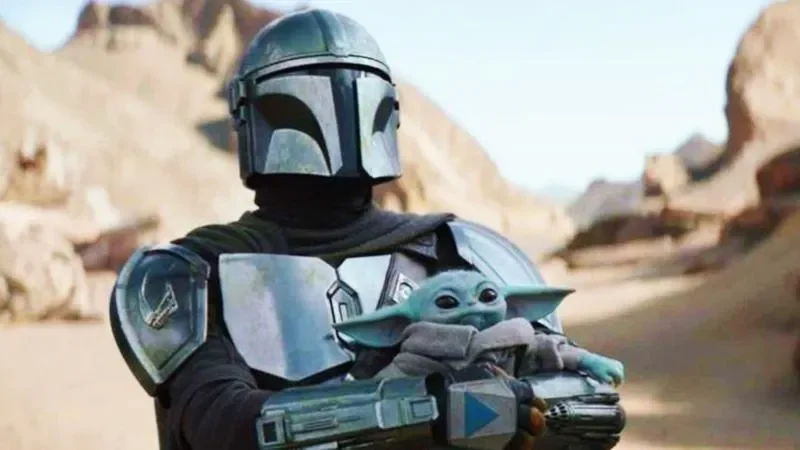
Creator Jon Favreau has illuminated the evolving approach to Star Wars storytelling, specifically contrasting the production of the Disney+ series The Mandalorian with the forthcoming theatrical film, The Mandalorian & Grogu. Favreau, speaking at Star Wars Celebration Japan, indicated a significant increase in ambition and scope for the cinematic outing, aiming to recapture the immersive, distraction-free experience of traditional moviegoing. This strategic pivot suggests a deliberate effort to elevate the franchise's presence on the big screen, moving beyond the episodic nature of television to deliver a grander, more impactful adventure.
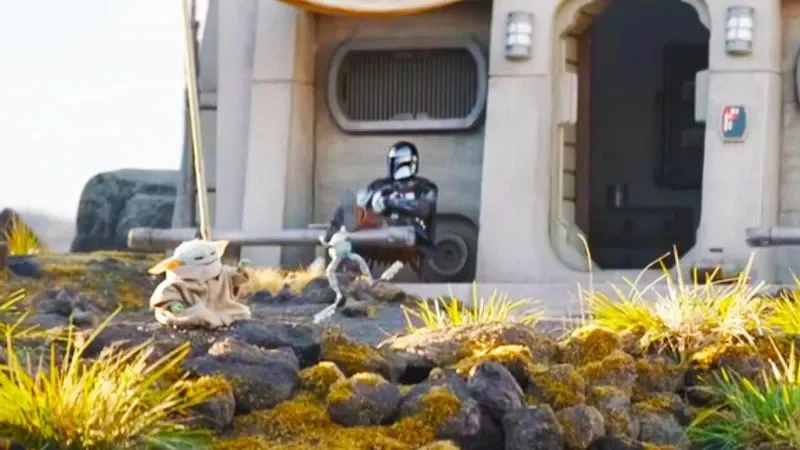
Transitioning the Mandalorian Narrative to the Big Screen
The creation of The Mandalorian for Disney+ marked a significant moment, bringing Star Wars to live-action television. Favreau, who directed the second season premiere, has consistently focused on crafting stories that resonate with both long-time fans and newcomers. While The Mandalorian season 3 concluded, raising questions about future seasons, the focus has now shifted decisively to The Mandalorian & Grogu film.
Read More: Ryan Gosling chosen for Project Hail Mary movie adaptation

Television's Creative Space: Favreau previously noted that serving as an executive producer on The Mandalorian allowed him the autonomy to write extensively on his own time, offering a contrast to the more collaborative film environment. This period on television allowed for the development of the characters and world that now appear poised for a larger cinematic stage.
Film's Immersive Imperative: Favreau articulated a clear vision for the theatrical experience: "That adventure has to fill up the screen and has to be something… that you're going to stop what you're doing, and you're going to go to a movie theater, and you're going to sit down in that movie theater, and you're not going to be able to pause it." This highlights a deliberate strategy to compete for audience attention in a crowded media landscape by offering an experience that demands undivided focus.
Elevating the Franchise: According to Favreau, The Mandalorian & Grogu is intended to "really upped the ante for the Star Wars franchise," suggesting a departure from what might be perceived as an extended television episode. The film aims for a "bigger Mandalorian— and a more realized version of the concept than fans have ever had the opportunity to explore before."
Production Differences: TV vs. Cinema
The distinction between producing for television and film is evident in Favreau's remarks, particularly concerning audience engagement and visual presentation.

Theatrical Experience: Favreau stressed the need for a film to command attention, drawing audiences to theaters for an experience they cannot replicate at home. The inability to pause or be distracted is central to this design.
Visual Ambition: The potential for wider aspect ratios in film, opening up to a "tall format," allows for "all the wonderful imagery that Star Wars provides." This suggests a more expansive visual storytelling approach for the movie compared to the television format.
Storytelling Scope: The film's development is described as taking "the time taken to get it perfect," implying a more extensive and potentially complex narrative arc than what might be feasible in a television season.
Impact on Star Wars Franchise
The transition of The Mandalorian to the big screen through The Mandalorian & Grogu is framed as a significant development for the entire Star Wars universe.

Raising the Bar: Favreau's statement that the film "raise[s] the bar for the Star Wars franchise" indicates a high level of expectation for its impact.
Market Reception: While the film is still approaching its release, one analysis suggests that its marketing has not yet generated the same level of "theatrical event-level buzz" as past Star Wars releases, despite the established success of the series.
Narrative Continuity: The decision to pursue a film rather than a fourth season of the series has led to speculation about future Mandalorian stories, with Favreau confirming that "Season 4 sitting on my desk." The success of The Mandalorian & Grogu is therefore seen as pivotal.
Expert and Creator Insights
Jon Favreau's Vision: Favreau, as creator and executive producer, is the primary voice articulating these differences. His focus is on delivering an "adventure" that justifies the cinematic outing, leveraging the medium's strengths. He has also touched upon how "nostalgia can fuel stories that center on a shared human experience" and the challenges of reimagining the Star Wars universe for both existing and new audiences.
Dave Filoni's Role: Dave Filoni, also involved in The Mandalorian's expansion, views Star Wars as an "expansive galaxy and timeframe," suggesting an alignment with Favreau's vision for broadening the narrative scope.
Audience Feedback: The influence of "audience feedback" on storytelling has been acknowledged by Favreau as enriching the creative process.
Conclusion and Future Considerations
The shift from The Mandalorian series to the The Mandalorian & Grogu film represents a strategic evolution in Star Wars storytelling under Jon Favreau. The emphasis is on creating a cinematic event that leverages the immersive power of theaters, demanding audience attention and offering a visually expansive experience. While the series laid the groundwork, the film is intended to "up the ante" for the franchise, aiming for a level of ambition and realization not previously seen in the Disney+ show. The success of The Mandalorian & Grogu is anticipated to have considerable implications for the future direction of Star Wars on the big screen, potentially influencing subsequent projects and the perceived value of theatrical releases within the saga.
Read More: Buffy Actor Nicholas Brendon Dies Aged 54 From Natural Causes
Sources
Polygon: The Mandalorian creator Jon Favreau reveals the difference between making Star Wars for TV and movies - https://www.polygon.com/mandalorian-jon-favreau-difference-star-wars-tv-movies/
Screen Rant: The Mandalorian And Grogu Raise The Bar For The Star Wars Franchise, Says Jon Favreau - https://screenrant.com/the-mandalorian-and-grogu-raise-bar-star-wars-jon-favreau/
CBR: Star Wars Fans Keep Forgetting the Mandalorian Already Proved It’s Ready for the Big Screen - https://www.cbr.com/jon-favreau-proved-the-mandalorian-works-as-star-wars-movie/
The Direct: Star Wars Exec Confirms What We All Suspected About The Mandalorian Season 4’s Plans - https://thedirect.com/article/star-wars-the-mandalorian-season-4-plans
The Popverse: Star Wars: The Mandalorian & Grogu movie is the Disney+ show with the time taken to get it perfect, teases creator Jon Favreau - https://www.thepopverse.com/movies-star-wars-the-mandalorian-grogu-celebration-jon-favreau-time
CNBC: "The Mandalorian" creator & EP Jon Favreau on creating for a new generation of Star Wars fans - https://www.cnbc.com/video/2023/03/15/the-mandalorian-creator-ep-jon-favreau-on-creating-for-a-new-generation-of-star-wars-fans.html
Empire Online: Theirs Is The Way: Jon Favreau & Dave Filoni Talk The Mandalorian Season 3 – Exclusive - https://www.empireonline.com/tv/features/jon-favreau-dave-filoni-mandalorian-season-3-exclusive/
Bleeding Cool: "The Mandalorian": Jon Favreau Talks Prequels Influence, Disney+ & More - https://bleedingcool.com/tv/the-mandalorian-jon-favreau-talks-star-wars-prequels-influence-disney-difference-more/