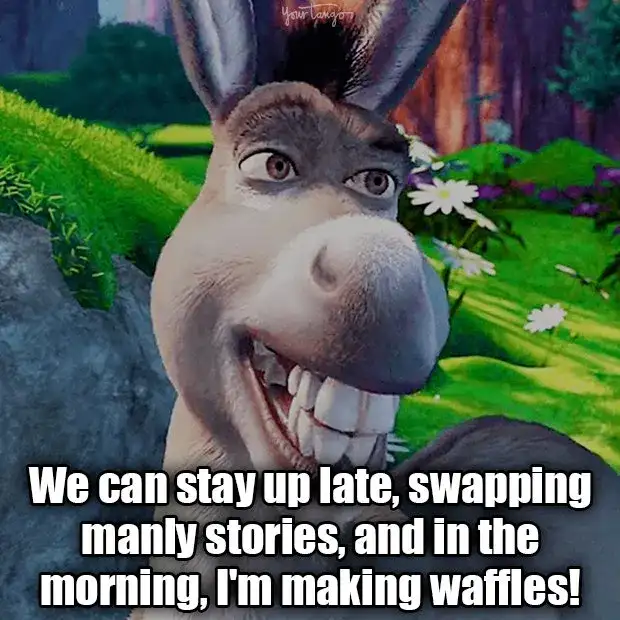
Today, 19/05/2026, marks exactly 25 years since the theatrical release of Shrek. The film, produced by DreamWorks Animation, shifted the trajectory of commercial animation by dismantling traditional narrative structures through irony, subversion, and a persistent rejection of established Disneyfication.
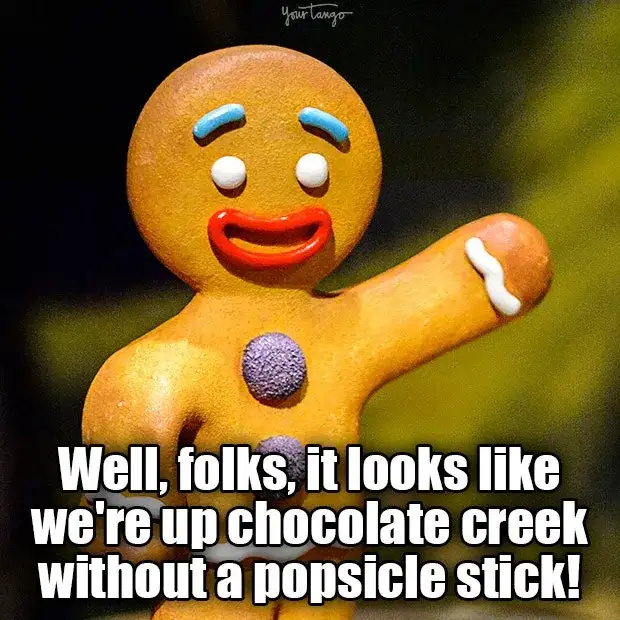
The cultural impact of Shrek rests on its departure from earnest storytelling, replacing the archetype of the noble hero with an antisocial, misanthropic ogre. The franchise effectively commodified sarcasm, embedding lines of dialogue into the public vernacular that persist two decades later.
Comparative Reception of the Franchise
| Feature | Pre-Shrek Animation | Post-Shrek Animation |
|---|---|---|
| Hero Archetype | Noble, idealized | Flawed, reluctant |
| Tone | Earnest, moralizing | Ironical, self-referential |
| Humor | Slapstick, timeless | Meta-commentary, pop-culture puns |
The Persistence of Quotability
While the film is celebrated for its technical advancements in CGI, its legacy is maintained by a fragmented, digital-era audience. The lines of Shrek (voiced by Mike Myers) and Donkey (voiced by Eddie Murphy) have undergone a process of decontextualization, moving from theatrical script to internet shorthand.
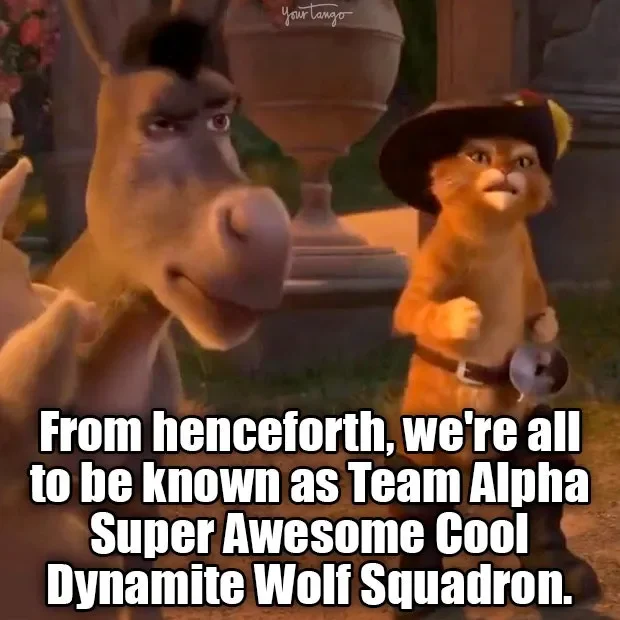
Subversion of Fantasy: The films repurposed Grimm fairy tales not to honor them, but to invert their stakes.
Dynamic Interaction: The tension between the cynical protagonist and the hyperactive sidekick functioned as a primary driver for character-led conflict, moving away from purely villain-driven plots.
Narrative "Layers": The metaphor of the onion—used by the protagonist to explain his complex internal defenses—remains the central rhetorical device used by critics to describe the film's unexpected depth.
Contextual Background
Released on May 19, 2001, the original film grossed significantly at the box office and earned the first-ever Academy Award for Best Animated Feature. This success solidified a formula that influenced a generation of family entertainment, prioritizing snark and pop-culture pastiche over traditional folklore fidelity.
Read More: Cocktail 2 Stars Praise Kriti Sanon and Shahid Kapoor in Mumbai
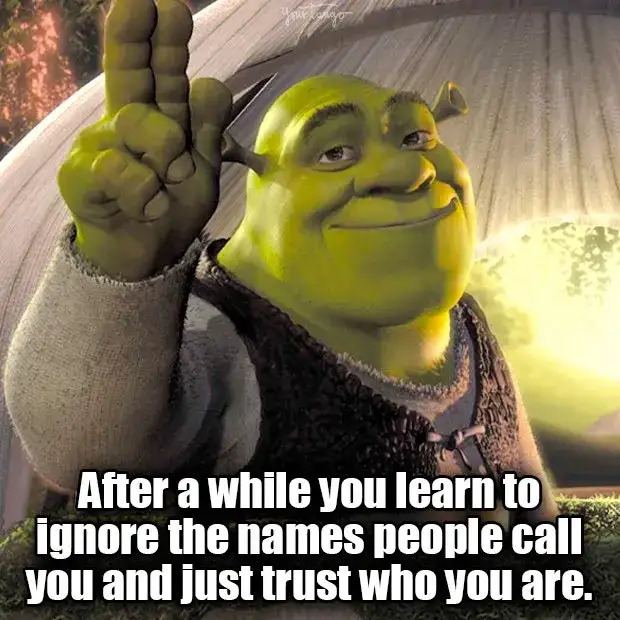
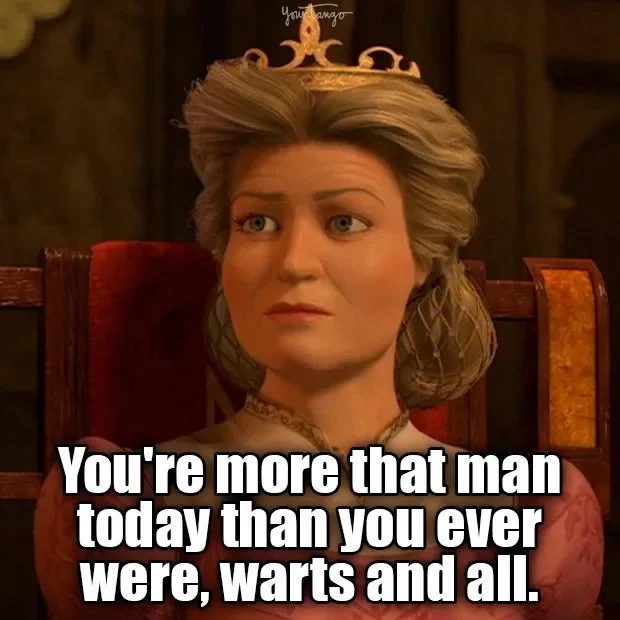
The sustained interest in the franchise is evident in current streaming metrics, with the films remaining staples on platforms like Peacock and Amazon. Despite the chronological distance from its premiere, the "swamp" continues to function as a persistent aesthetic and linguistic anchor in modern meme culture, where fragmented dialogue serves as a bridge between nostalgia and digital irony.