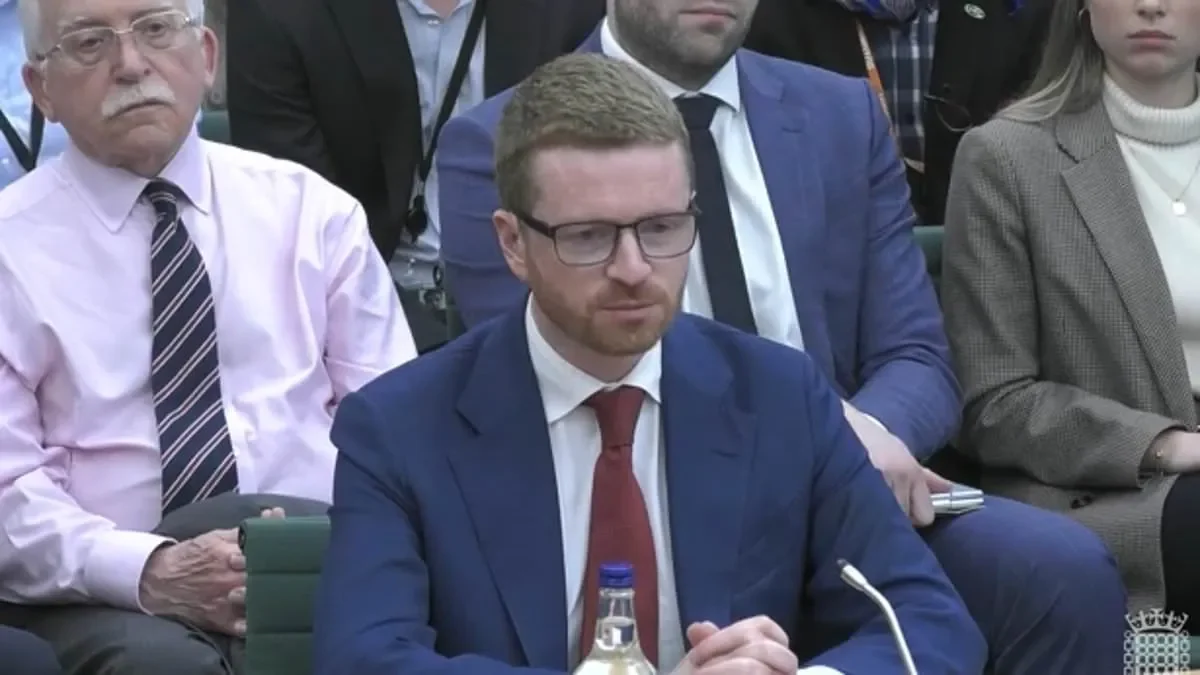
Matt Brittin, the recently installed Director-General of the BBC, has declared that "tough choices are unavoidable" as the broadcaster grapples with a need for significant savings and a pivot towards digital platforms. The pronouncement comes alongside a workforce already on strike over increased workloads and amidst plans for as many as 2,000 job cuts, representing a 15 percent reduction in the organisation's income. Brittin, who previously held a senior role at Google, has stressed the imperative for the BBC to adapt to where audiences now reside – online – particularly targeting younger demographics. The core message from Brittin is that the BBC must accelerate its digital transformation, even if it means difficult decisions regarding staffing and programming.
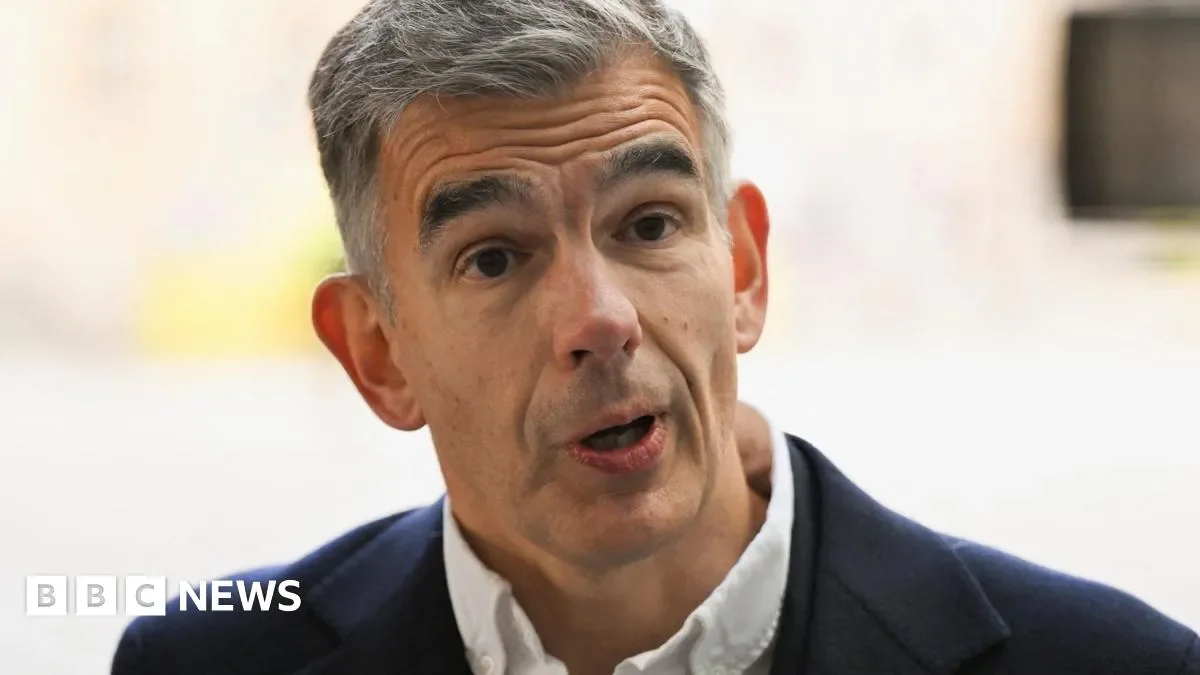
Brittin’s arrival on his first day at Broadcasting House saw journalists from the World Service picketing. Their action highlights immediate tensions within the organisation concerning changes to working conditions. The new Director-General has been visiting various departments in the weeks leading up to his formal assumption of the role, signalling a period of intense review and anticipated restructuring.
Read More: David Muir broadcast style secrets revealed as of April 2026
Urgency and Adaptation
Brittin's message, disseminated via internal communications and to the press, emphasizes a perceived "lethargy" in the BBC's digital-first approach. He asserts that "Excellence at the BBC has always been founded on great, creative storytelling and brilliant, independent journalism," but this must now be delivered with greater "urgency" and in formats and on platforms that resonate with contemporary audiences. The stated aim is to simplify the BBC for both staff and viewers, implying a streamlining of operations.

He has framed his tenure around three key areas: advocating for the BBC during its charter renewal period, maintaining editorial excellence, and fostering "increased velocity" in decision-making and implementation. Brittin pointed to the BBC's historical capacity for reinvention, citing examples from World War Two restructuring to its adaptation during the COVID-19 pandemic and its presence in conflict zones. This historical context is used to bolster the argument for present-day transformation, suggesting the world still needs the BBC, perhaps more than ever, for accurate news.
Read More: Tess Daly wears wedding ring in London after split from Vernon Kay

A Challenging Landscape
The directives from Brittin emerge at a time of considerable flux for the broadcaster. His predecessor, Tim Davie, navigated several controversies, including the fallout from the indecent images case involving prominent newsreader Huw Edwards. Furthermore, the BBC has already initiated cost-saving measures, including reductions in travel expenses and cuts to spending on consultants, conferences, and events. The planned job cuts are described as the largest downsizing in 15 years.
Brittin, who received a CBE for his contributions to technology and digital skills, is expected to drive significant changes in programming delivery, with platforms like YouTube and TikTok increasingly prominent in audience consumption habits. This strategic reorientation comes as the World Service is championed as a crucial element of Britain's "soft power," particularly in an era where independent and accurate news sources are perceived to be diminishing globally. The question posed by Brittin – "if we were inventing the BBC today, what would we do?" – suggests a radical reimagining of the organisation's structure and purpose.
Read More: TV women "too strong" causes debate, says GK Barry