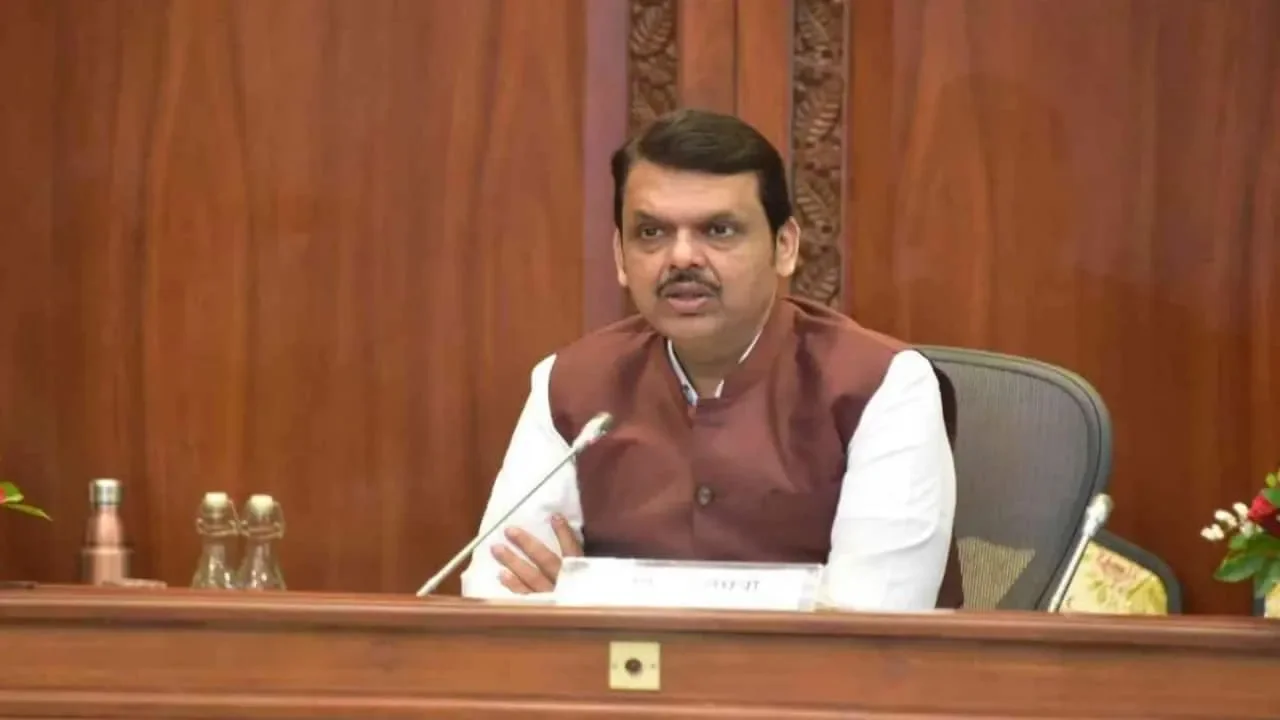
Core Fiscal Figures Emerge from the Presentation
₹7.69 lakh crore. This colossal sum forms the bedrock of the recently presented Maharashtra budget. This figure, representing the total outlay, signals a significant financial exercise undertaken by the state government. Details paint a complex picture of estimated revenues and expenditures, with projections for the upcoming fiscal year showing a notable upward revision in receipts and a corresponding increase in revenue expenditure.
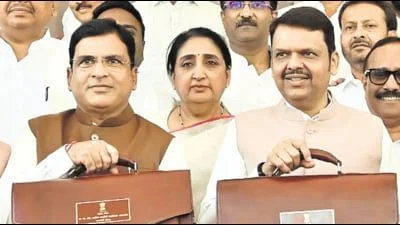
The budget anticipates a fiscal deficit of ₹1,50,491 crore for the financial year 2026-27, a figure that represents a jump from the previous year's estimate of ₹1,36,235 crore. Concurrently, the revenue deficit is projected to decrease to ₹40,552 crore, down from ₹45,891 crore in the preceding period.
Farmers' Relief and Welfare Schemes Take Centre Stage
A substantial component of this budget centers on agricultural relief and continued social welfare programs. The government has earmarked specific funds for a farm loan waiver, with indications of relief extending up to ₹2 lakh for farmers. Furthermore, an allocation of ₹20,000 crore is designated for providing free electricity to farmers operating water pumps of up to 7.5 HP. For those who have diligently serviced their debts, the 'Punyashlok Ahilyadevi Holkar Shetkari Karjmafi Yojana' promises an additional ₹50,000 to approximately 20 lakh farmers.
Read More: Solaris Energy SEI Stock Price Forecast Reaches $91.98 by July 2027
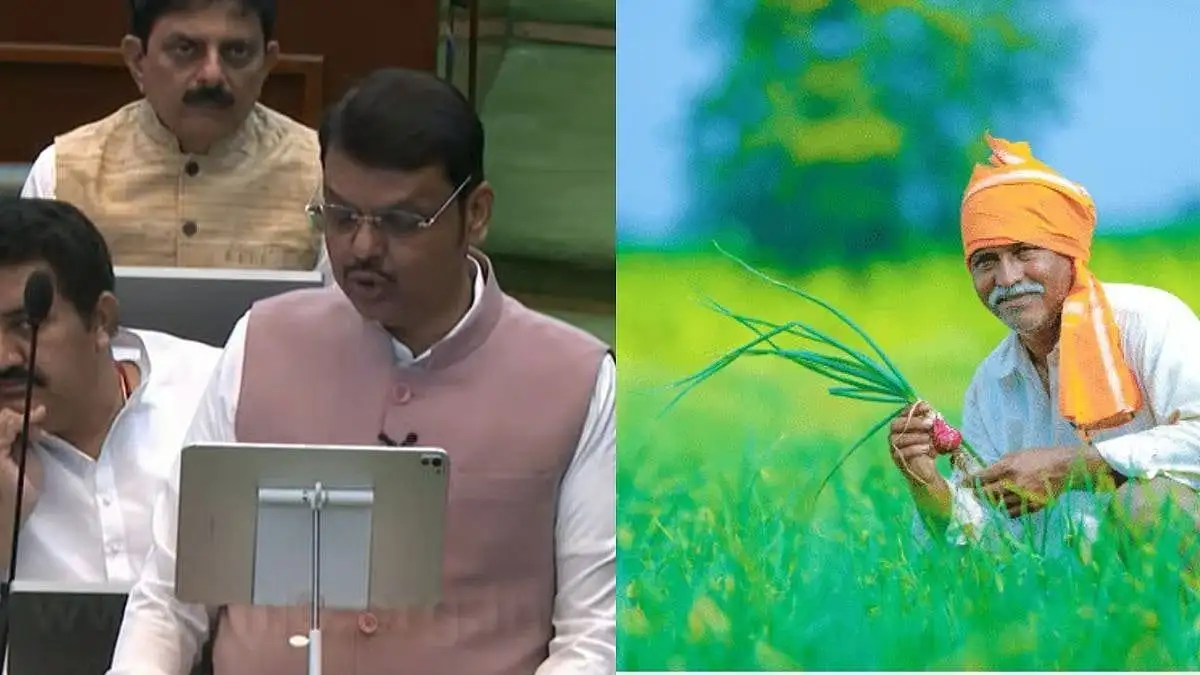
The continuity of flagship welfare initiatives, such as the 'Ladki Bahin Yojana,' is also emphasized, with a ₹36,000 crore outlay maintained from the previous fiscal. However, a nuanced observation reveals a dip in allocations for women and child development, moving from roughly ₹31,000 crore to ₹24,231.28 crore.
Economic Aspirations and Job Creation
Beyond immediate welfare measures, the budget outlines ambitious plans for economic expansion and job generation. The introduction of the 'Maharashtra Global Competence Centre Policy' aims to establish 400 new competency centers, theoretically creating 4 lakh job opportunities.
In a significant industrial push, plans are underway to develop a 'mining highway network' and transform Gadchiroli into a new 'steel hub.' This ambitious project anticipates an investment of ₹2,62,000 crore and the creation of over 70,000 jobs in large and super-large steel industries.
Fiscal Health and Expenditure Patterns
Examining the financial figures further, the budget outlines a projected revenue receipt of ₹6,16,099 crore against an estimated revenue expenditure of ₹6,56,651 crore for the current financial year. These projections suggest a deliberate approach to managing state finances.
Read More: Maharashtra Forms Committee for Uniform Civil Code Law Soon
The report highlights a revised estimate for receipts in the ongoing fiscal year climbing from ₹5.61 lakh crore to ₹6.01 lakh crore, while revenue expenditure has been adjusted from ₹6.07 lakh crore to ₹6.39 lakh crore. This contrasts with the actual figures for the previous fiscal (FY24-25), where revenue receipts stood at ₹4.82 lakh crore against a revised estimate of ₹5.36 lakh crore, and actual expenditure at ₹5.12 lakh crore against an estimated ₹5.62 lakh crore.
Contextualizing the Presentation
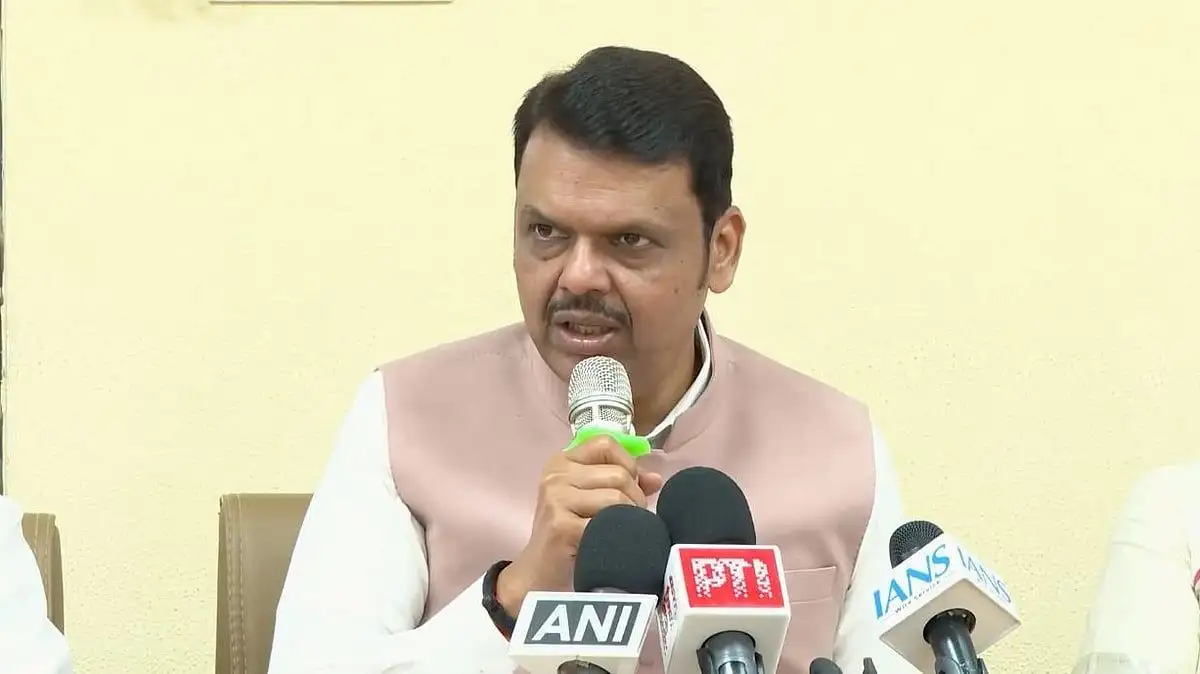
The presentation of this budget is framed within a broader vision of a 'Viksit Maharashtra,' aligning with the national ambition of a 'Viksit Bharat.' Chief Minister Devendra Fadnavis, who also holds the Finance portfolio, is noted as one of the few Chief Ministers in Maharashtra's history to present the state budget in this dual capacity. The budget aims to strike a balance between accelerating economic growth through strategic investments in key sectors like agriculture, industry, and infrastructure, while simultaneously expanding welfare initiatives for various social strata, including Scheduled Castes, Scheduled Tribes, women, and Other Backward Classes. The state's target of achieving a USD 5 trillion economy by 2047 also appears as a long-term aspiration within this fiscal roadmap. The Chief Minister also made a point to mention the state's current green cover at 18%, falling short of the ideal 33%.
Read More: Rocket Companies brand update in April 2026 changes logos and names