₹7.69 Lakh Crore Outlay Dominates State Finances, Farm Loan Waiver Takes Centre Stage
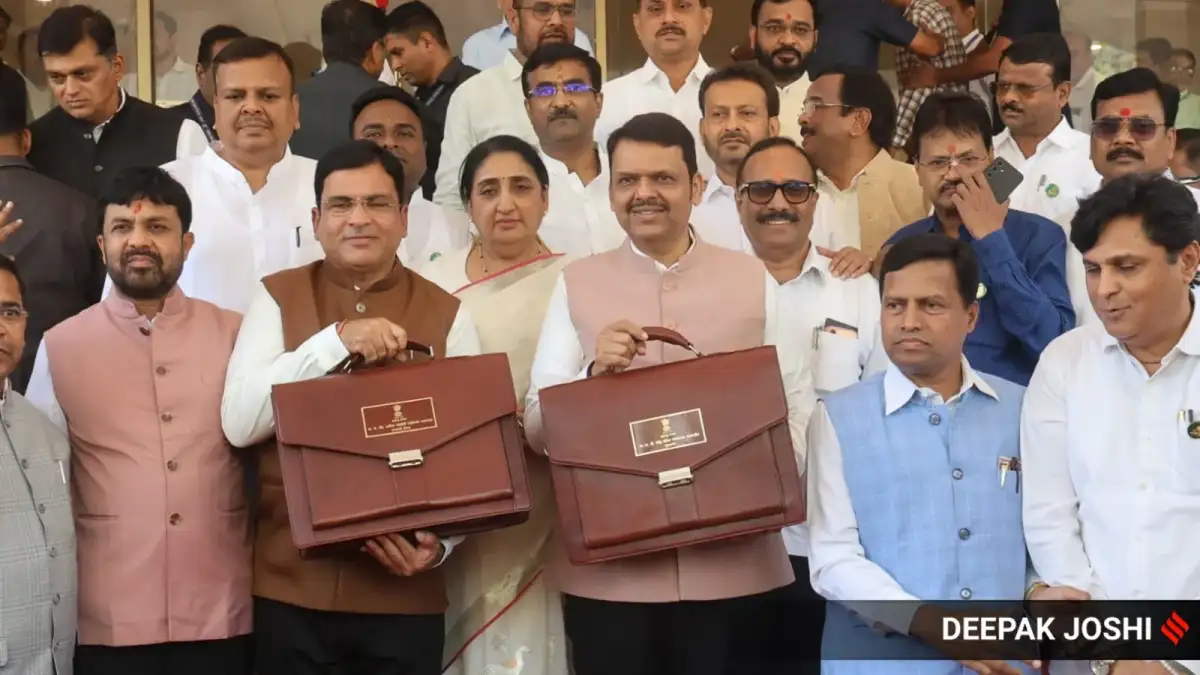
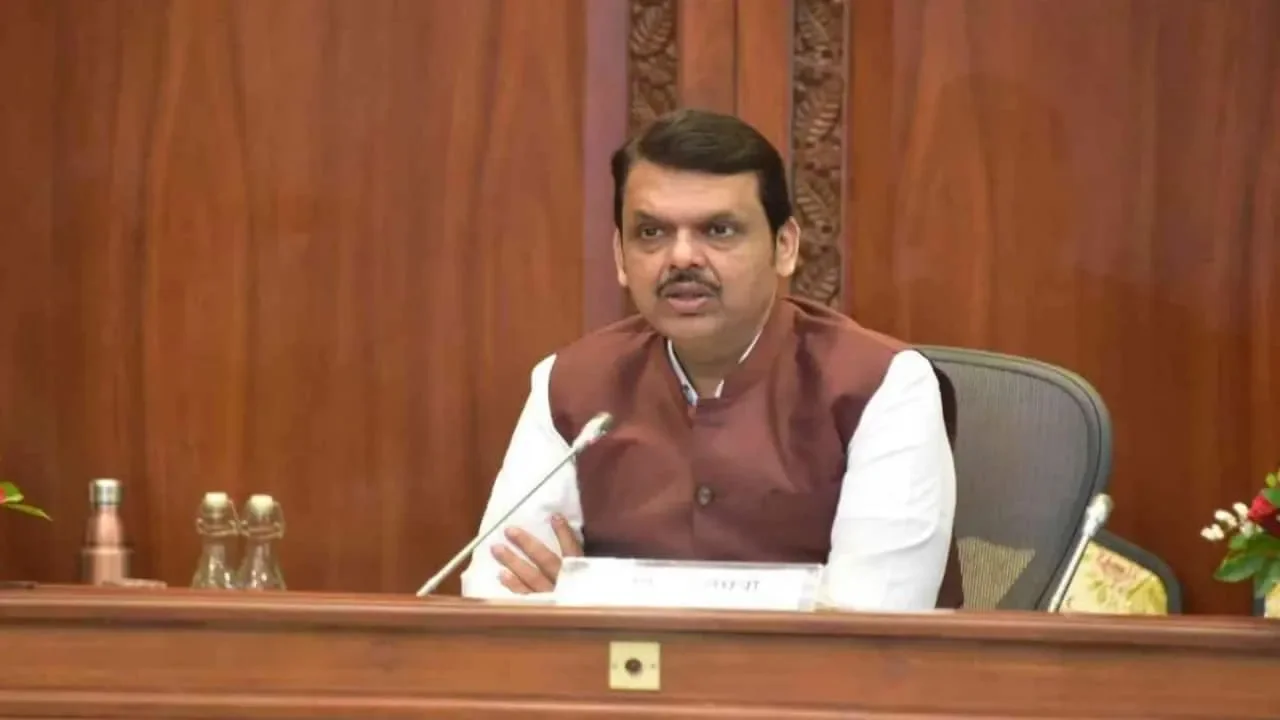
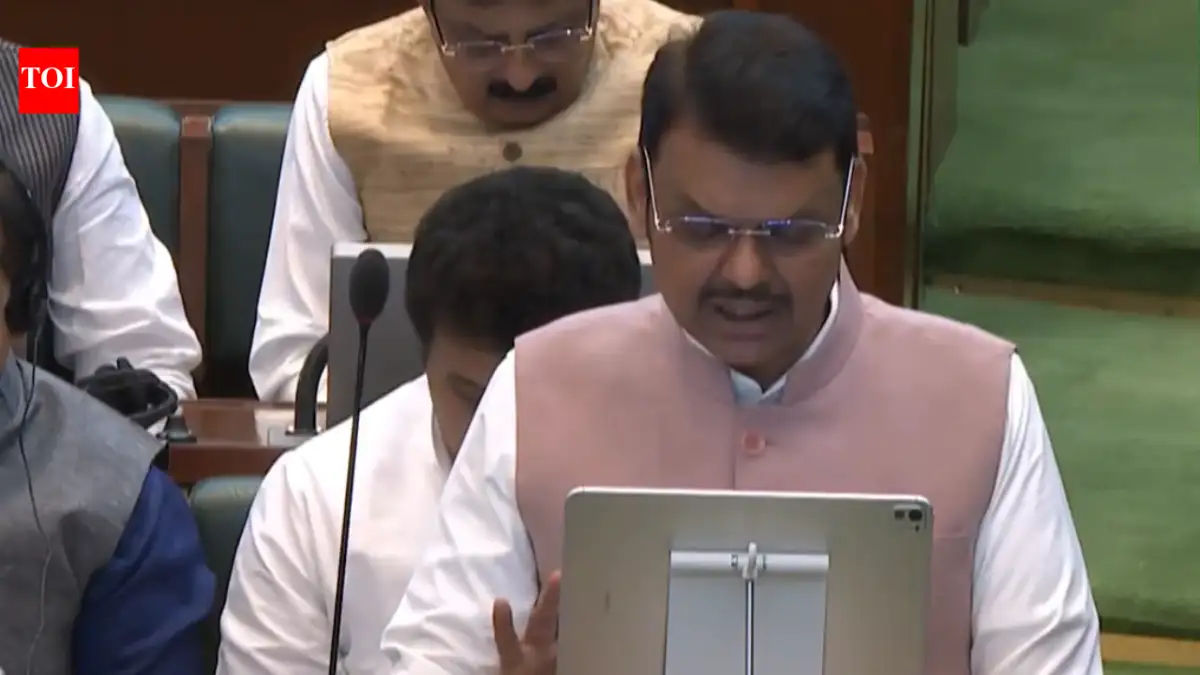
The recently presented Maharashtra Budget for 2026-27 unfurls a grand financial blueprint, with a total outlay pegged at an imposing ₹7.69 lakh crore. This substantial figure is framed against an estimated revenue receipt of ₹6.16 lakh crore, revealing a projected revenue deficit of ₹40,552 crore. Amidst this financial landscape, a significant announcement targets the agrarian sector: a farm loan waiver of up to ₹2 lakh is slated to be implemented. The budget, presented by Chief Minister Devendra Fadnavis, who also holds the finance portfolio, delineates its strategy across four broad pillars: progressive growth, sustainable development, inclusive welfare, and governance reforms.
CORE FINANCIALS AND FARMER WELFARE
The fiscal architecture of the budget shows estimated revenue expenditure at ₹6.56 lakh crore, creating a notable gap with projected receipts. This leads to the aforementioned revenue deficit. Complementing the broad outlay, a specific allocation of ₹20,000 crore is earmarked for providing free electricity to farmers operating water pumps of up to 7.5 HP. The farm loan waiver, framed under the 'Punyashlok Ahilyabai Holkar farmers’ loan waiver Scheme', is set to cover loans taken up to September 3, 2025. The budget also includes an incentive of ₹50,000 for farmers who consistently repay their crop loans.
Read More: Solaris Energy SEI Stock Price Forecast Reaches $91.98 by July 2027
INFRASTRUCTURE AND DEVELOPMENT AMBITIONS
Beyond agrarian concerns, the budget champions extensive infrastructure development. Key projects highlighted include the Mumbai Metro expansion, with specific mention of Mumbai Metro Line 8 (connecting Mumbai and Navi Mumbai international airports at an estimated ₹22,862 crore) and the fully underground Mumbai Metro Line 11 (Wadala to Gateway of India, costing an estimated ₹23,487 crore). The Pune Metro Phase-II is also on the agenda, alongside the development of new airports, notably in Navi Mumbai and Gadchiroli. The Vadavan Port development is posited as a job creation engine, with expectations of generating over 12 lakh jobs. Further industrial expansion is planned through the establishment of 18 mega industrial hubs across the state.
Read More: Maharashtra Forms Committee for Uniform Civil Code Law Soon
SOCIAL WELFARE AND ENVIRONMENTAL MEASURES
The budget signals a continued focus on social welfare, with the Mukhyamantri Majhi Ladki Bahin Yojana slated for continuation. A survey of single women is to be undertaken to assess their socio-economic conditions and inform a dedicated welfare policy. In an effort to curb pollution, the state proposes tax incentives for scrapping older vehicles and purchasing new ones. This includes a 16 per cent concession in motor vehicle tax for buyers scrapping BS-4 vehicles and replacing them with new ones, while those scrapping BS-3 and older vehicles will receive a 30 per cent concession. The environmental tax on certain ageing private vehicles is also to be doubled.
FISCAL HEALTH AND ECONOMIC STRATEGY
The projected fiscal deficit stands at ₹1,50,491 crore, which the government asserts remains within the limits prescribed by the Fiscal Responsibility and Budget Management (FRBM) framework. The overarching strategy is to stimulate economic expansion through targeted investments in agriculture, infrastructure, industry, urban development, and social welfare, while aiming for fiscal discipline. A notable initiative in the agricultural sector is the planned launch of the "MahaVistar-AI" platform, designed to offer farmers localized advice on weather, pest management, and market prices in their native languages, with an ambitious goal to increase the agricultural economy from USD 55 billion to USD 500 billion.
Read More: Rocket Companies brand update in April 2026 changes logos and names
BACKGROUND
The presentation of the Maharashtra Budget for 2026-27 occurs at a juncture where the state government seeks to balance immediate welfare demands with long-term economic development strategies. The allocation of a significant portion of the budget towards infrastructure, such as the expansive metro projects in Mumbai and Pune, alongside port and airport development, signals a commitment to enhancing connectivity and facilitating industrial growth. The agrarian sector, a perennial concern in Indian politics, receives substantial attention through the loan waiver and free electricity initiatives, aiming to alleviate farmer distress. Simultaneously, provisions for women's welfare and environmental concerns reflect a broader social and ecological consciousness within the fiscal plan. The stated aim of fostering economic expansion through these diverse investments underscores the government's intent to position Maharashtra as a leading economic powerhouse, even as it navigates the complexities of a substantial revenue deficit.
Read More: Maharashtra TET exam leak arrests increase to seven as of April 2026