A recent directive from the Madras High Court is prompting consumers to be aware of the potential presence of micro and nano plastics (MNPs) in everyday consumables. The court has ordered that packaged drinking water, salt, and sugar sold in Polyethylene Terephthalate (PET) bottles and plastic packaging must bear warning labels. This decision arises from findings indicating the presence of these plastic particles in tested samples, raising concerns about public health. The court has emphasized a precautionary approach, suggesting that even initial study findings warrant consumer advisement.

Background of the Court's Intervention
The Madras High Court, specifically a bench handling forest and environment matters, issued its directive following the examination of evidence concerning microplastic contamination. The core of the ruling centers on the necessity of transparency for consumers regarding the potential presence of MNPs in products they regularly consume.
Read More: New Paper Drug Smuggling in Prisons Causes Overdoses
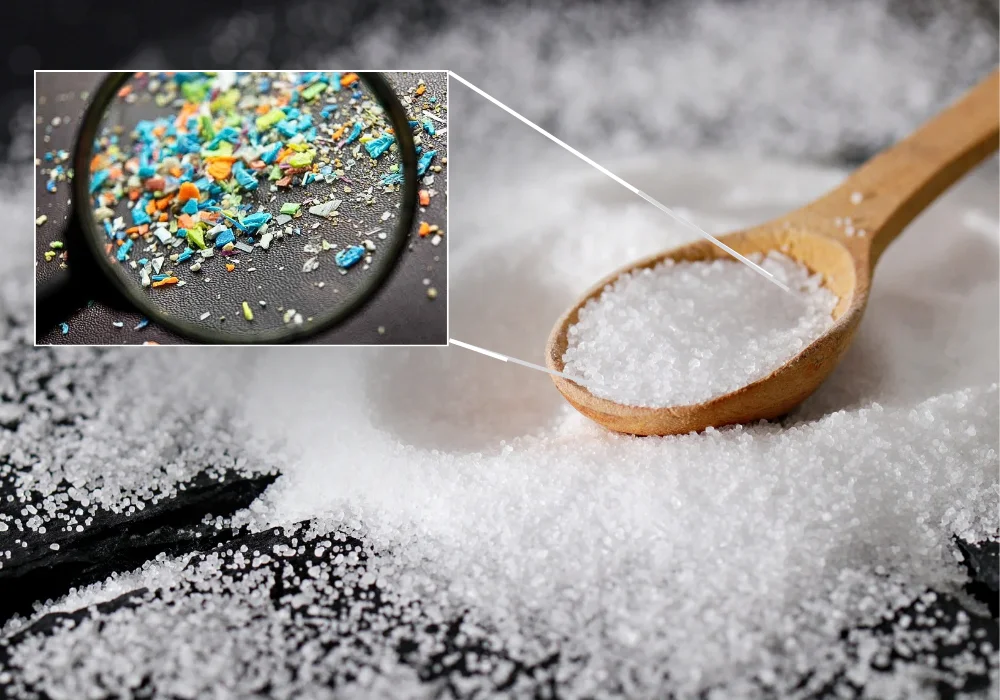
The Directive: The court mandated that labels on PET bottles containing drinking water, as well as salt and sugar packets, must prominently display a warning in red font. The exact wording required is either "This water may contain micro/nano plastics" or "This salt/sugar may contain micro/nano plastics." The font size is specified as 10.
Scope of Products: The ruling specifically targets packaged drinking water, salt, and sugar. The packaging material specified includes PET bottles and plastic packs.
Precautionary Principle: The judges noted that even initial studies indicated the presence of microplastics. Despite ongoing research into the conclusive harmful effects of MNPs, the court felt these preliminary findings were sufficient grounds to inform consumers. The principle guiding the decision appears to be that in matters with potential grave health risks, erring on the side of safety is paramount.
Evidence of Microplastic Contamination
Multiple sources and reports have informed the court's decision, highlighting the widespread nature of microplastic contamination in food and beverages.
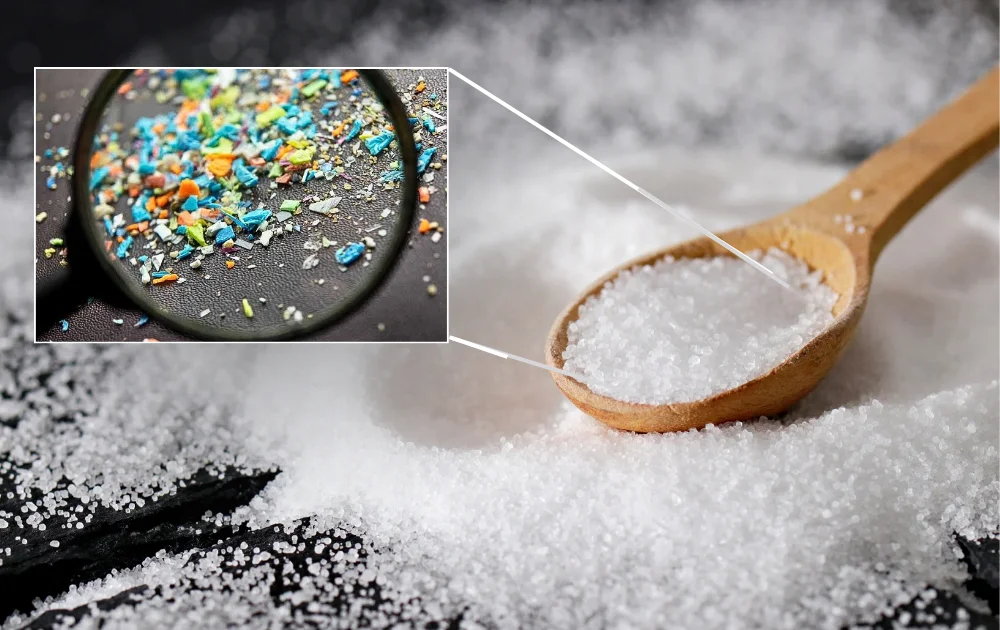
Initial Study Findings: Samples of drinking water were tested, and these samples showed the presence of microplastics. This formed a key part of the evidence presented.
FSSAI's Position: The Food Safety and Standards Authority of India (FSSAI) indicated that studies assessing the harmful effects of microplastics are in their "initial and nascent stage." However, the court found existing data sufficient for a warning.
Wider Testing: Tests conducted by the FSSAI on samples from six states revealed microplastics not only in drinking water bottles but also in salt and sugar sold in plastic packaging.
Study on Salt and Sugar Brands: Independent studies have also contributed to the understanding of the issue. One such study analyzed 10 types of salt and five types of sugar from various markets. This research reported the presence of microplastics in all Indian salt and sugar brands, whether packaged or unpackaged.
Scientific Context of Microplastic Contamination
Scientific literature provides a broader context for the concerns surrounding microplastics in food and beverages. Research indicates that MNPs are pervasive environmental contaminants, with implications for both human and animal health.
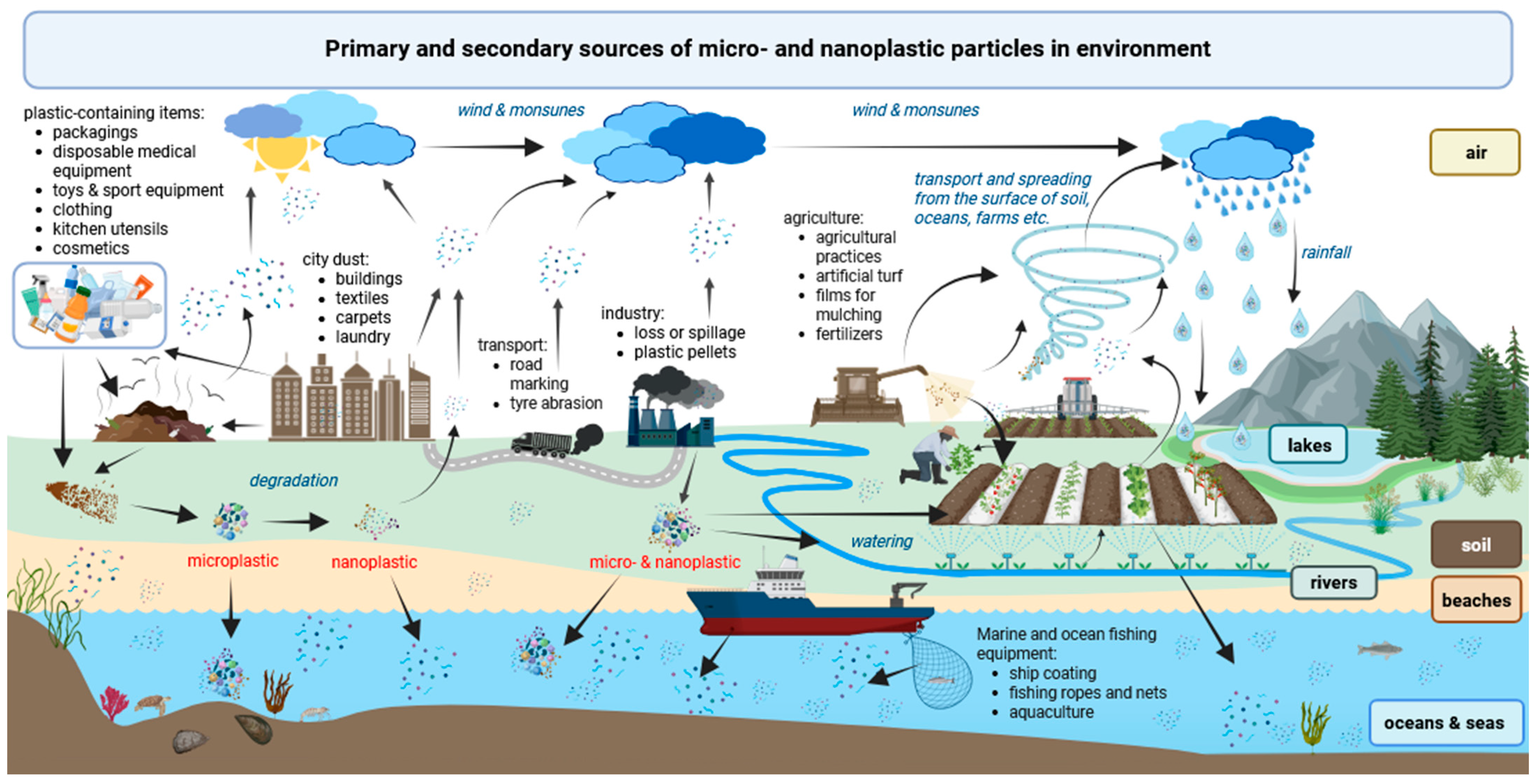
Sources and Prevalence
Food Packaging: Scientific reviews highlight the prevalence of microplastics in daily food and beverage packaging. There is a potential for these particles to migrate from the packaging into the food or drink itself.
Water Sources: Studies have investigated the occurrence of microplastics in both tap water and bottled water. Research also explores how drinking water treatment plants might retain these particles and their transportation through water supply systems.
Salt and Sugar: Dedicated research has focused on microplastic pollution in commercial salt intended for human consumption. Studies have detected microplastics in table salt, rock salt, and sea salt.
Analytical Challenges and Health Concerns
Detection Methods: The detection and quantification of microplastics in food matrices require specialized analytical methods. Migration assays are particularly noted as needing specific conditions due to the time-sensitive nature of the process.
Health Risk Assessment: While research into the direct adverse health impacts of MNPs on humans is ongoing, the court's decision leans towards caution. Concerns exist about potential long-term health risks, including the possibility of increased cancer risk, though this is not definitively proven. The potential interaction of toxic chemicals with microplastics is also an area of scientific scrutiny.
Regulatory and Industry Response
The directive from the Madras High Court is a significant step in regulating products containing potential microplastic contamination. The Union Ministry of Health and Family Welfare and the FSSAI are the key regulatory bodies tasked with implementing the court's order.
FSSAI's Project: The FSSAI has initiated a project aimed at understanding the prevalence of micro and nano plastics as emerging food contaminants. This project focuses on developing and validating methodologies for their identification and quantification in various food types.
Government Counsel's Input: The central government's senior panel counsel has indicated the involvement of research institutions in ongoing studies concerning the harmful effects of microplastics.
Interim Measures: The court's order for warning labels is considered an interim measure, pending more conclusive research on the health impacts. The directive aims to ensure immediate consumer awareness.
Expert Perspectives on Microplastics
Scientific understanding of microplastics continues to evolve, with ongoing research examining their impact and potential mitigation strategies.
Prevalence in Consumables: Experts acknowledge that microplastics are present in many commonly consumed items, including packaged water, salt, and sugar.
Ongoing Research: The scientific community emphasizes that studies on the full spectrum of health risks associated with microplastic ingestion are still in their early stages.
Sustainable Alternatives: Research also explores sustainable alternatives for food packaging, such as biodegradable polymers, to reduce the environmental burden and potential for microplastic contamination.
Implications and Next Steps
The Madras High Court's ruling carries significant implications for manufacturers, regulatory bodies, and consumers.
Manufacturer Compliance: Producers of packaged drinking water, salt, and sugar will need to update their product labeling to include the mandated warning.
Consumer Awareness: The warnings are intended to empower consumers with information about the potential presence of MNPs in their food and beverages.
Further Research: The ruling underscores the importance of continued scientific investigation into the sources, prevalence, and health impacts of microplastics.
Policy Development: The directive may spur further policy development and regulatory action concerning food safety standards related to microplastic contamination.
The court's emphasis on a precautionary approach suggests a shift towards greater transparency and consumer protection in the face of emerging environmental and health concerns.
Read More: Vadakara Election Results 2026: Anti-CPI(M) Votes Expected to Influence Outcome
Sources Used and Their Context:
The Hindu: Provides a detailed account of the Madras High Court's order, including the specific wording of the warning labels and the reasoning behind the court's decision, referencing the FSSAI's initial statements.🔗 https://www.thehindu.com/news/national/tamil-nadu/water-salt-and-sugar-packs-must-contain-warning-on-presence-of-micro-or-nano-plastics-madras-high-court/article70631289.ece
News9 Live: Reports on the Madras High Court's directive, highlighting the court's acknowledgement of microplastics as a threat to health and mentioning ongoing studies by the FSSAI and detected contamination in multiple states.🔗 https://www.news9live.com/state/tamil-nadu/madras-high-court-orders-warning-labels-on-packaged-water-bottles-over-microplastics-2927524
The New Indian Express: Details the Madras High Court's directive for mandatory microplastic warnings, focusing on the court's concern for future generations and the FSSAI's project on studying microplastic prevalence and impact.🔗 https://www.newindianexpress.com/states/tamil-nadu/2026/Feb/07/madras-high-court-tells-centre-to-make-microplastic-warning-mandatory
ScienceDirect (Article 4): A scientific article discussing microplastic pollution in table salt and sugar, covering occurrence, quantification, and risk assessment, providing a scientific backdrop to the court's concerns.🔗 https://www.sciencedirect.com/science/article/abs/pii/S0889157523001357
ScienceDirect (Article 5): A review focusing on microplastics in food packaging, their migration into food, health risks, and exploring sustainable packaging alternatives, offering insights into the packaging aspect of the issue.🔗 https://www.sciencedirect.com/science/article/pii/S2772416625001585
Indian Web2: Reports on a study claiming all Indian salt and sugar brands contain microplastics, detailing the size range and potential health risks, supporting the factual basis for the court's concern.🔗 https://www.indianweb2.com/2024/08/all-indian-salt-sugar-brands.html
MDPI: A scientific publication referencing research on micro- and nanoplastics in food and dietary intake, indicating ongoing scientific investigation in the field.🔗 https://www.mdpi.com/1420-3049/30/18/3666
ScienceDirect (Article 8): A narrative review on the occurrence of microplastics in tap and bottled water, and food packaging, providing a broad overview of current knowledge on contamination.🔗 https://www.sciencedirect.com/science/article/abs/pii/S0048969722083784
OAepublish: A publication discussing microplastics and nanoplastics in drinking water and beverages, including their occurrence and potential human exposure, relevant to the packaged water aspect of the court's order.🔗 https://www.oaepublish.com/articles/jeea.2024.37
Indian Express: Reports on a study concluding that all Indian salt and sugar brands contain microplastics, detailing concentrations and types found, reinforcing the evidence presented to the court.🔗 https://www.indianexpress.com/article/india/all-indian-salt-sugar-brands-microplastics-study-9511646/
PMC (Article 11): A publication titled "Micro- and Nano-Plastics in Drinking Water: Threat or Hype? Critical State-of-the-Art Analysis of Risks and Approaches," offering a scientific analysis of the risks associated with microplastics in drinking water.🔗 https://pmc.ncbi.nlm.nih.gov/articles/PMC12194651/