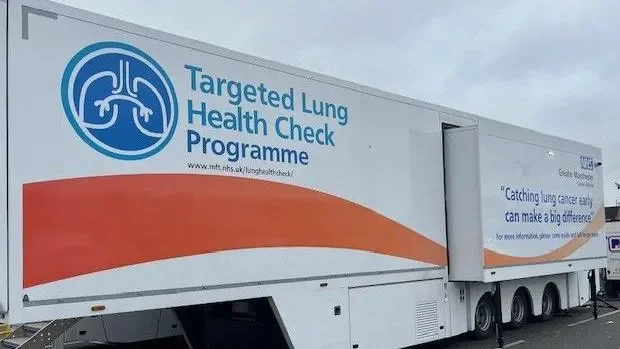
An 18mm cancerous growth was discovered in Ginnie Walker, a 59-year-old who had been a smoker, following a lung health check. Walker's diagnosis came after receiving an invitation for a scan as part of a program targeting smokers and ex-smokers aged 55 to 74. More than 34,000 people have attended these scans across Sussex, with over 56,000 invitations issued.

Another case involves Colette Smith, who is now cancer-free for 11 years after a diagnosis of cancer in both lungs, despite never having smoked. Smith, 60, credits early detection and surgery for her recovery, using her experience to advocate for screening. Her journey began with unexplained health issues that prompted a CT scan.

The circumstances surrounding lung cancer detection often underscore the challenges. Unlike some other cancers where age-based screening is standard, lung cancer screening protocols are more intricate. Reports suggest that many individuals diagnosed with lung cancer do not survive, with the average age of diagnosis typically around 70. However, in cases like Addison's, a stage 1 lung cancer diagnosis following a screening paved the way for successful treatment.
Read More: India IVF Costs And Social Barriers Limit Access In April 2026
In one instance, a 55-year-old nonsmoker identified a single symptom that led to an early diagnosis. This situation is noteworthy as lung cancer is frequently detected late.

Background
The broader context of these individual stories points to ongoing efforts and evolving approaches in combating lung cancer. The Sussex lung health check initiative, for example, represents a proactive public health measure aimed at identifying the disease in its early stages among a high-risk demographic. The program's reach, evidenced by the number of invitations and scan attendances, suggests a significant uptake in such screening services.
Furthermore, the narratives of individuals like Colette Smith, who was diagnosed despite never smoking, highlight the diverse nature of the disease and the importance of accessible diagnostic tools for a wider population. Her advocacy for early detection, particularly during Lung Cancer Awareness Month, underscores a broader public health message: lung cancer is not necessarily a terminal diagnosis if caught promptly. The mention of robotic bronchoscopy in one report signifies advancements in diagnostic and treatment technologies, potentially improving outcomes by confirming that cancer had not spread, as was the case for a particular patient.
Read More: Tess Daly wears wedding ring in London after split from Vernon Kay