New Project Kept Under Wraps Amidst AI's Shadow
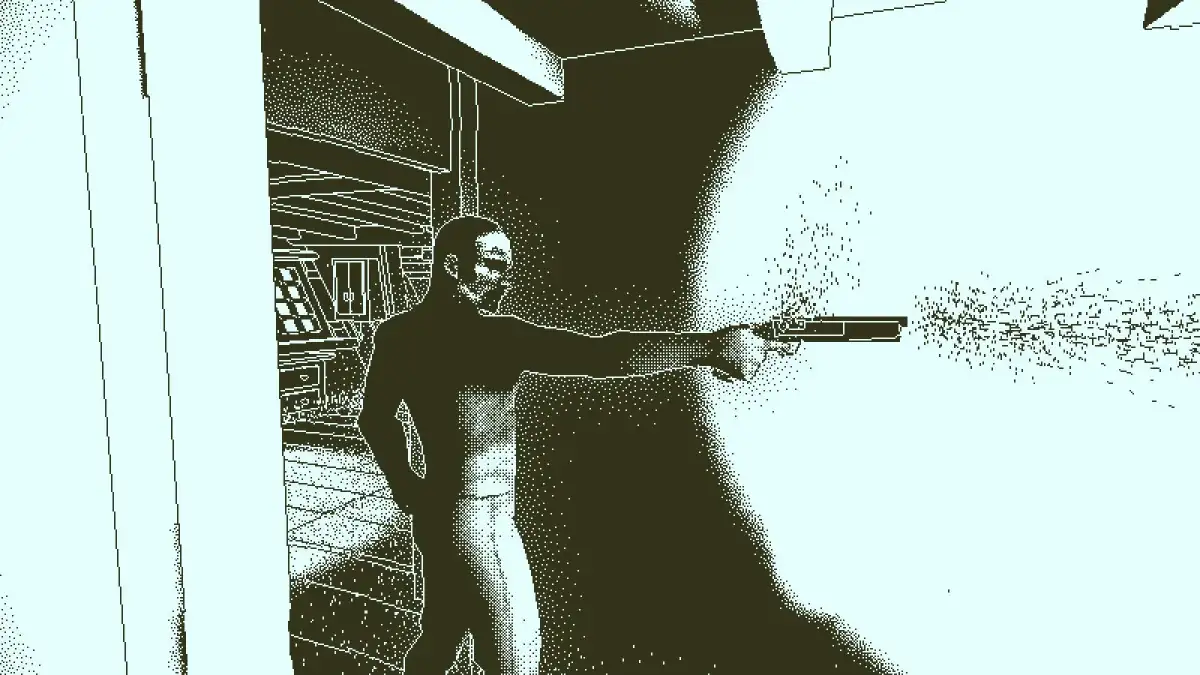
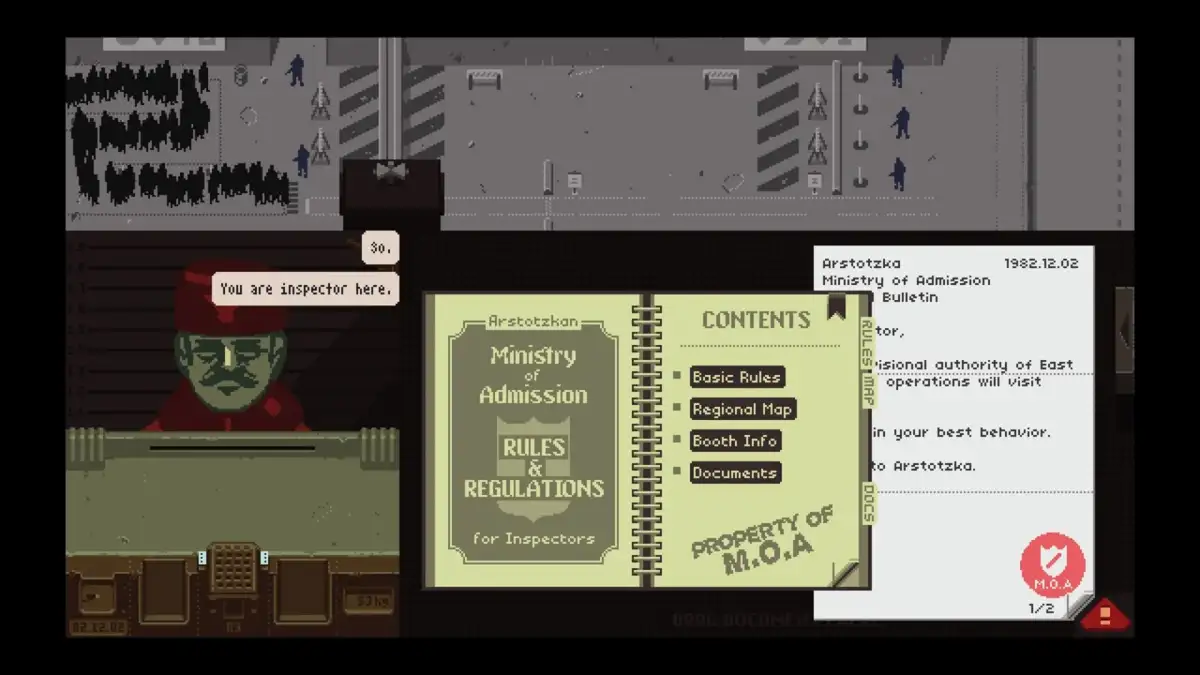
Lucas Pope, the architect behind critically lauded titles like 'Papers, Please' and 'Return of the Obra Dinn', has publicly stated his reluctance to discuss his current game development. The core reason cited is a pervasive unease concerning generative AI, and its perceived capacity to "slurp up" or directly appropriate creative concepts before a project's official unveiling.

Pope's silence stems from a fear that detailing his ongoing work could lead to its conceptual theft by AI systems, preempting his own ability to present the finished product. This hesitation marks a notable shift from a potentially more open development discourse. The developer expressed this sentiment during a recent appearance on the 'Mike & Rami Are Still Here' podcast.
A Hesitancy to Share
The developer admitted that he no longer feels comfortable discussing his ongoing projects. This is not a rigid policy, but rather a "feeling" that has emerged, casting a pall over his usual transparency. Pope hopes this atmosphere will dissipate, allowing him to once again share his creative process. His current quietude regarding future releases is widely interpreted as a direct consequence of these concerns.
Read More: Pokemon Home monsters can now move to Pokemon Champions game
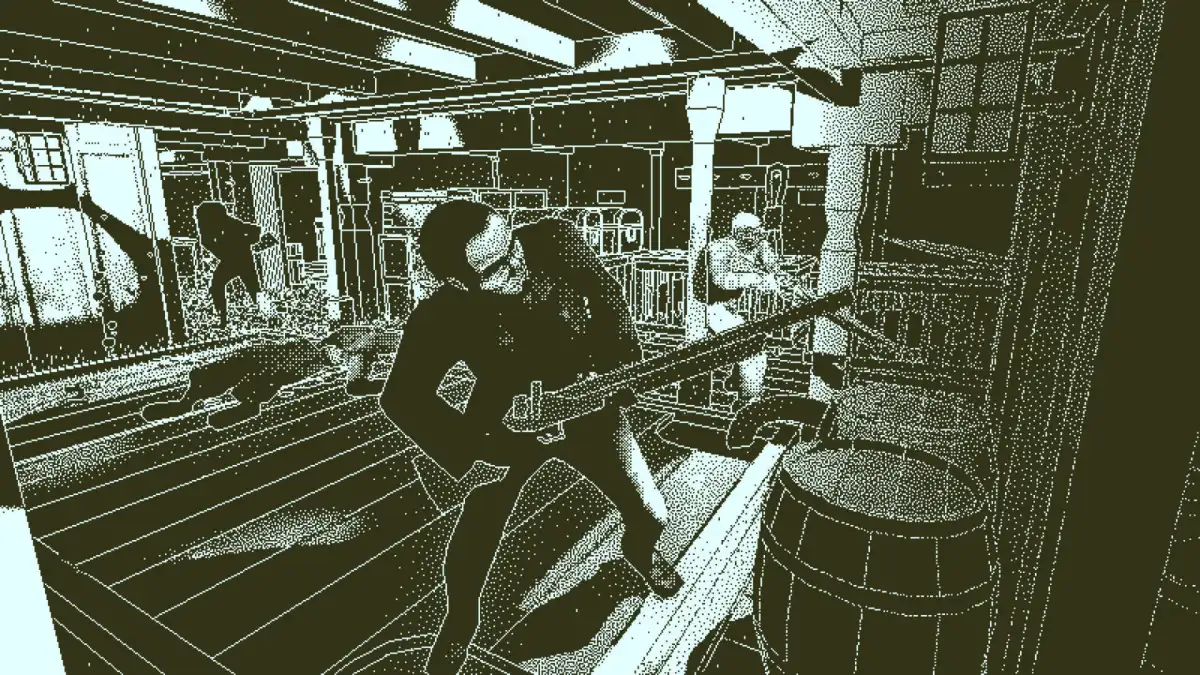
Pope's best-known works, 'Papers, Please' and 'Return of the Obra Dinn', achieved significant acclaim, with the latter even ranking highly on IGN's list of all-time best games. This history of success, however, also fuels a secondary layer of anxiety: the pressure to replicate past triumphs. Pope has indicated he's not driven by a desire to build a large studio, preferring the solitary act of creation – coding, drawing, and composing. He ponders whether it might be opportune to "go out on a high note" rather than risk subsequent projects not meeting lofty expectations.
Read More: Anthropic Delays Powerful AI Model Claude Mythos Release Due to Cybersecurity Risks
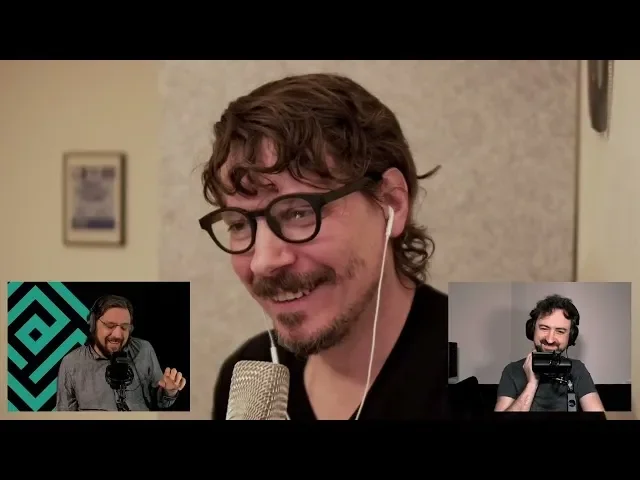
Pope's discomfort is understandable in the current technological climate. While he desires to enjoy the process of creation efficiently, the specter of generative AI looms, making even the initial stages of development a source of apprehension.