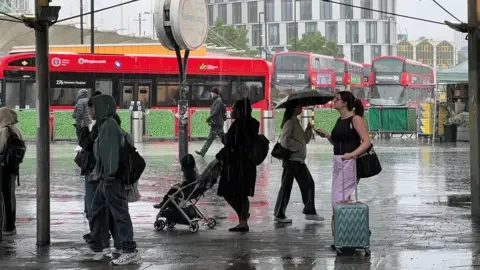
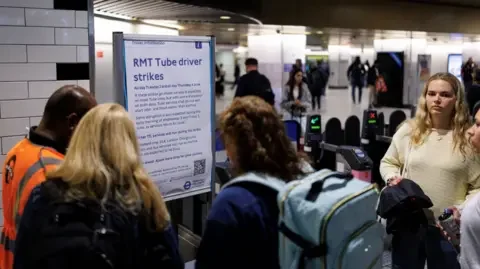
LONDON — Passenger journeys across the London Underground faced significant disruption this past week, with widespread service suspensions and severe delays marking a period of industrial action called by the Rail, Maritime and Transport (RMT) Union. The strike, which spanned several days between early September 2025, saw little to no service on many lines, forcing commuters and travellers to seek alternative, often overcrowded, routes.
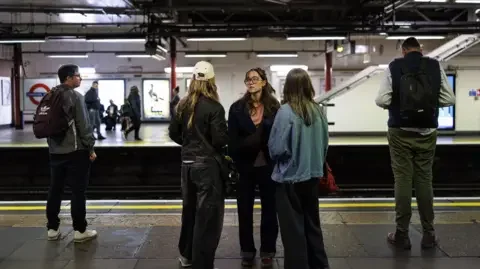
The RMT's action is centered on a dispute over proposed changes to driver working conditions, specifically a move towards a 35-hour, four-day week. This industrial action has resulted in critical transport links being severed, including the Piccadilly Line, which normally connects central London to Heathrow Airport. Passengers attempting to reach the airport were advised to use the Elizabeth Line instead, while the Docklands Light Railway (DLR) also experienced complete shutdowns on strike days.
Read More: Elizabeth Line Helps Londoners During Tube Strike on July 6
Widespread Service Impacts
Piccadilly Line: Service was entirely suspended across the line. This included the vital link to Heathrow Airport, where station lifts were also closed.
Metropolitan Line: A complete shutdown was reported between Baker Street and Aldgate, with minor delays on other sections.
Central Line: Service was non-existent between White City and Liverpool Street.
Other TfL Services: While not directly involved, services like the Elizabeth Line, London Overground, and Trams experienced considerably higher passenger volumes due to the Underground's paralysis.
The strike action, planned to extend intermittently through the week of September 8th to 11th, 2025, led to what Transport for London (TfL) described as a "difficult" day for passengers. Reports indicate some travellers, particularly tourists, were unaware of the planned disruptions. Public reaction appeared varied, with some expressing frustration and annoyance while others voiced a degree of sympathy for the striking workers.

"Customers are urged to check before they travel as RMT union members plan strike action on the Tube next week." – TfL Press Release
Background to the Disruption
The RMT Union has mobilized its members in response to proposals impacting driver pay and hours. While the precise details of the negotiations remain opaque, the union's stance appears to be a defense of existing working conditions against perceived concessions. The scale of the disruption suggests a significant portion of the RMT's membership participated in the walkout.
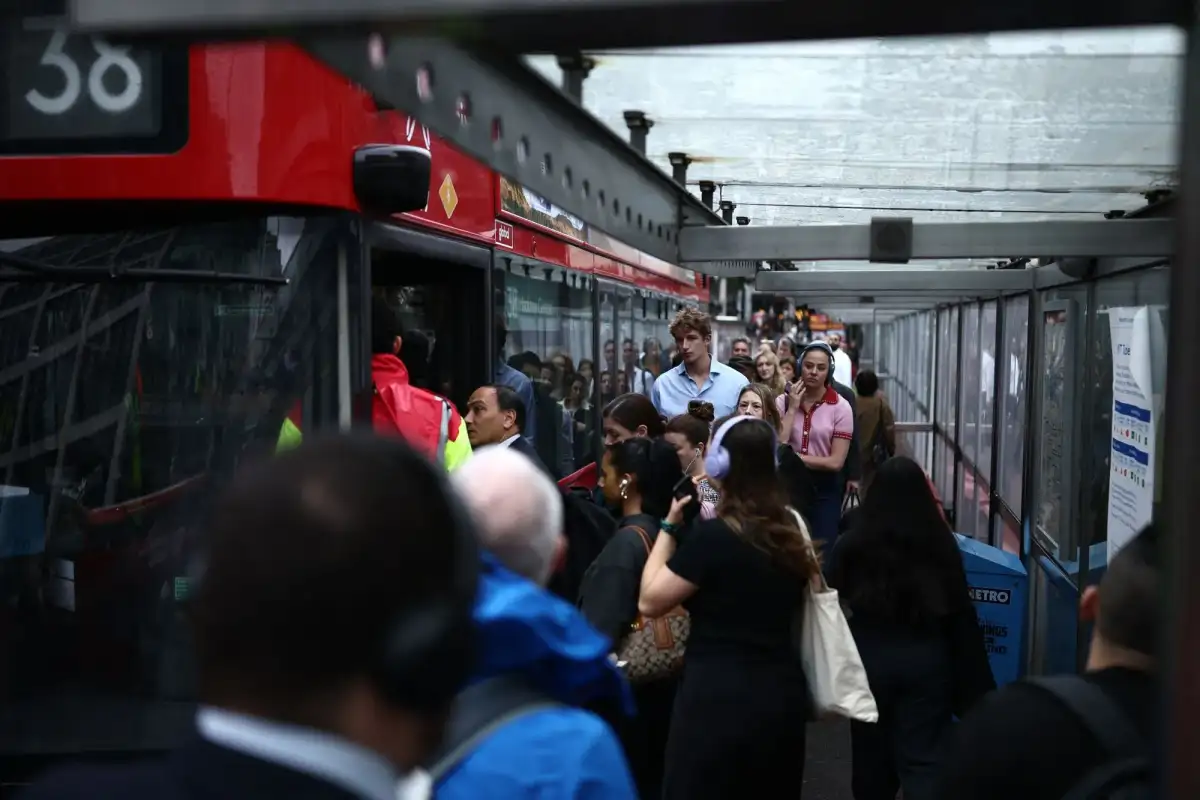
The disruption also highlighted the interconnectedness of London's transport network, with the paralysis of the Underground placing immense strain on surface-level alternatives. The duration of the strike, spread across multiple days, created sustained travel misery for those reliant on the Tube for daily commutes, school runs, and essential appointments. The call from Downing Street for both the RMT and TfL to return to the negotiating table underscores the broader implications of the ongoing dispute for the capital's functionality.
Read More: Woman's face went numb: Stroke symptoms missed as migraine in London