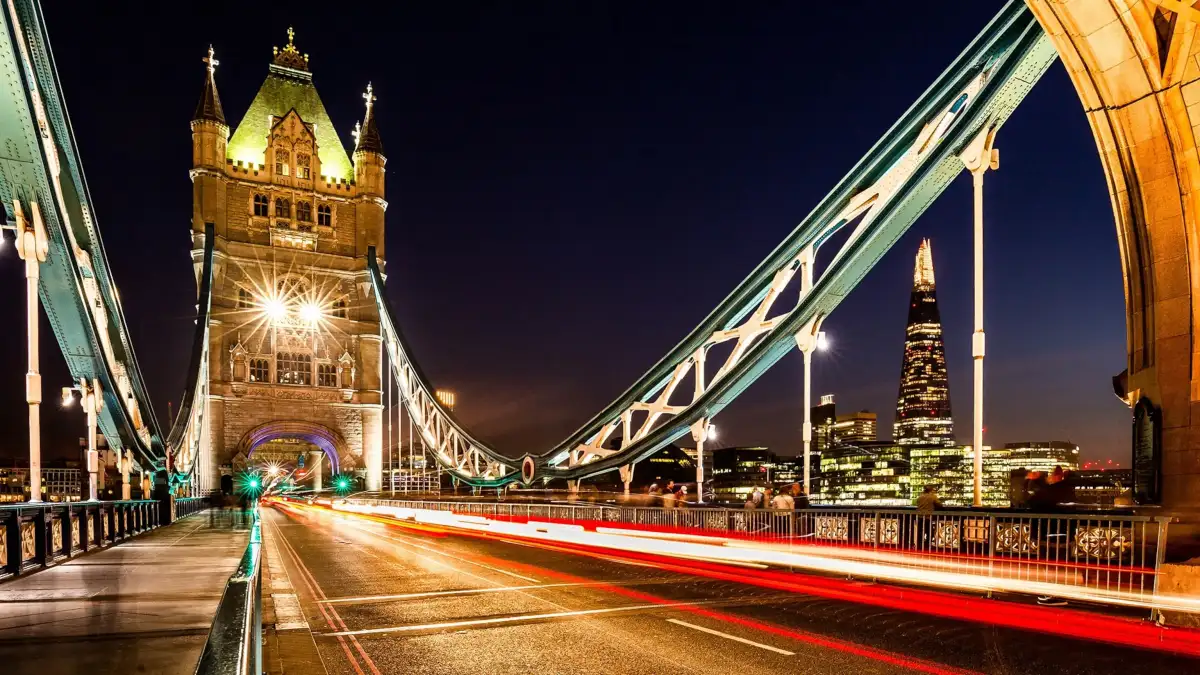
Londoners are being advised to brace for significant disruption across the Underground network on Tuesday, June 2, and Thursday, June 4, as members of the Rail, Maritime and Transport (RMT) union stage a series of 24-hour strikes. The industrial action, confirmed after last-minute talks failed to yield an agreement, is expected to impact services from midnight to 11:59 PM on both days.
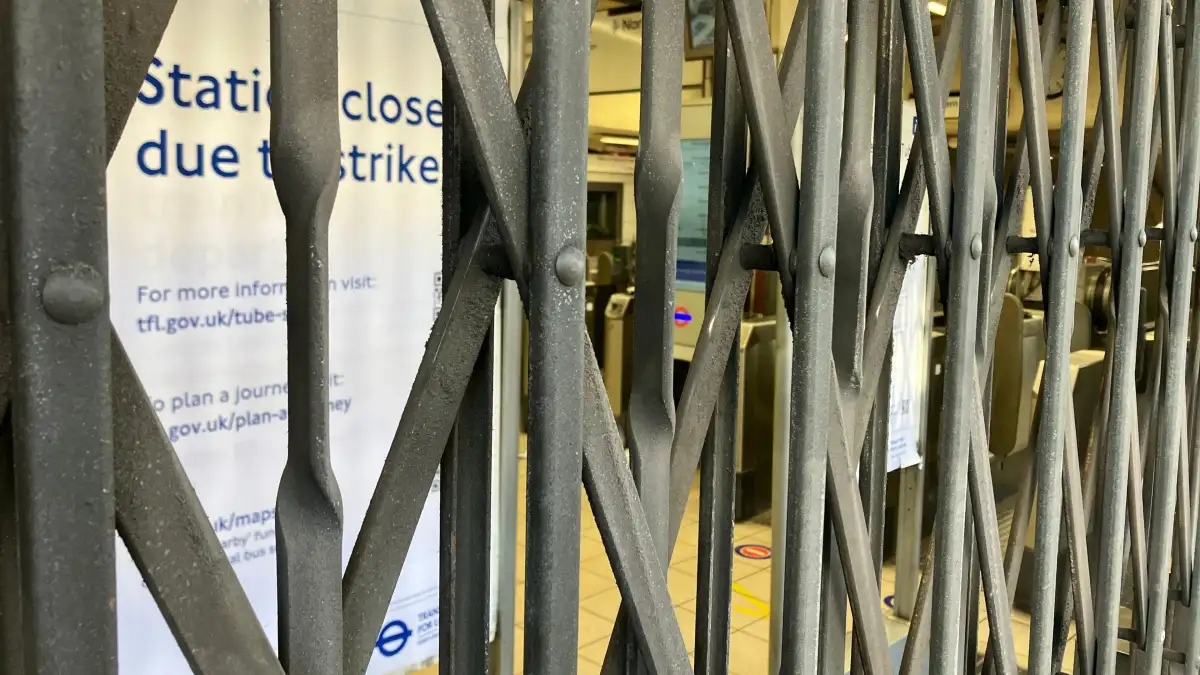
While Transport for London (TfL) anticipates some service on most Tube lines, major disruptions are unavoidable, with specific lines facing complete shutdowns and others operating on a severely reduced schedule.

Key Service Disruptions Expected
No Service: The Circle and Piccadilly lines are slated for a complete shutdown.
Partial Closures: Sections of the Metropolitan line between Baker Street and Aldgate, and the Central line between White City and Liverpool Street, are also expected to have no service.
Reduced Service: TfL expects to run a reduced service on other lines, similar to or better than the "half of all services" operated during April's industrial action. However, a "similar service or better" is not a guarantee of normality.
Travellers Advised to Check Before Setting Out
TfL is strongly urging passengers to check travel plans before journeys using the TfL Go app or the TfL website. Services are anticipated to start late and finish early on strike days, with limited trains running before 6:30 AM and after 9 PM. Some lines may also have limited services, or no services at all. Normal service is expected to resume on Monday, June 1, Wednesday, June 3, and Friday, June 5.
Read More: Elizabeth Line Helps Londoners During Tube Strike on July 6
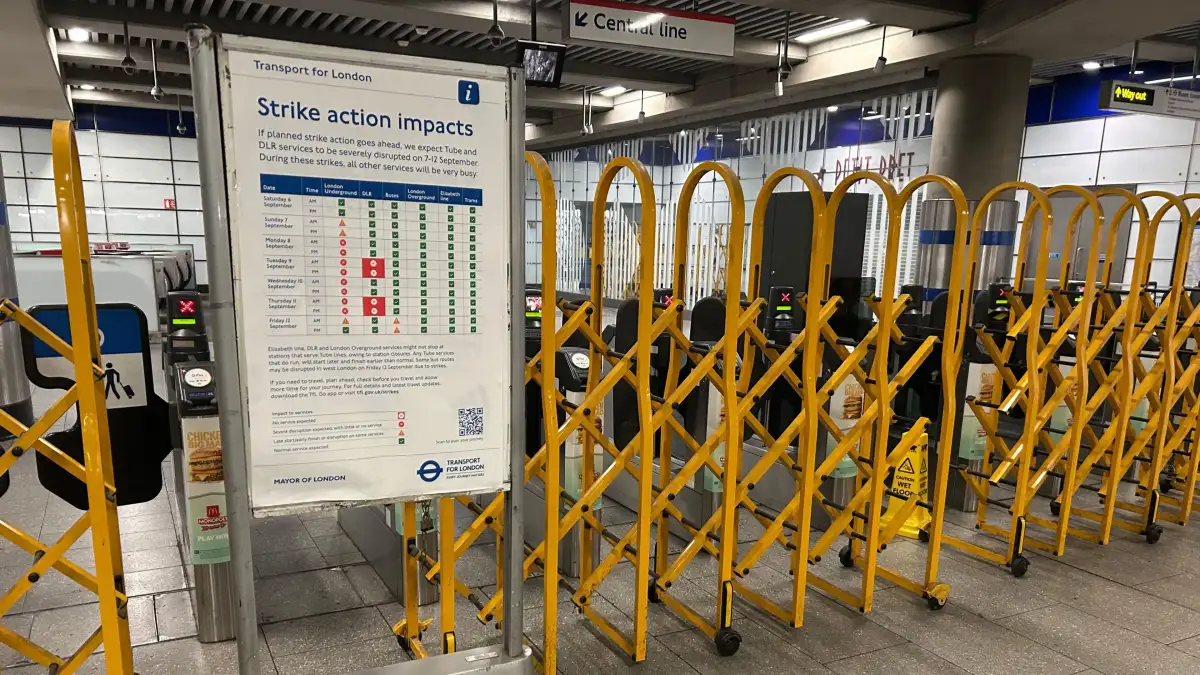
"Londoners reminded to check before they travel ahead of planned RMT strike action on the Tube. While service is expected on most Tube lines, disruption is likely." - TfL Press Release
Other TfL services, including the Elizabeth line, trams, London Overground, and DLR, are expected to run as scheduled but will likely be busier than usual. Commuters travelling to central London are advised that key stations like King's Cross St Pancras may be best reached via Thameslink services.
The Four-Day Week Dispute
The core of the dispute appears to center on proposals for Tube drivers to voluntarily work a four-day week, involving condensed hours. The RMT union has reportedly rejected an offer related to this, despite TfL stating that drivers who do not wish to adopt the new working pattern can remain on a five-day schedule. This contrasts with the April strikes, where the RMT's position was reportedly weakened by the ASLEF union's support for a four-day week offer. Unlike the April action, which began at midday, these strikes are full 24-hour walkouts.
Read More: Woman's face went numb: Stroke symptoms missed as migraine in London
The RMT union had previously called off May dates for industrial action, with the June dates being provisionally set. The union has confirmed its decision to proceed with the June strikes after discussions with Transport for London.