


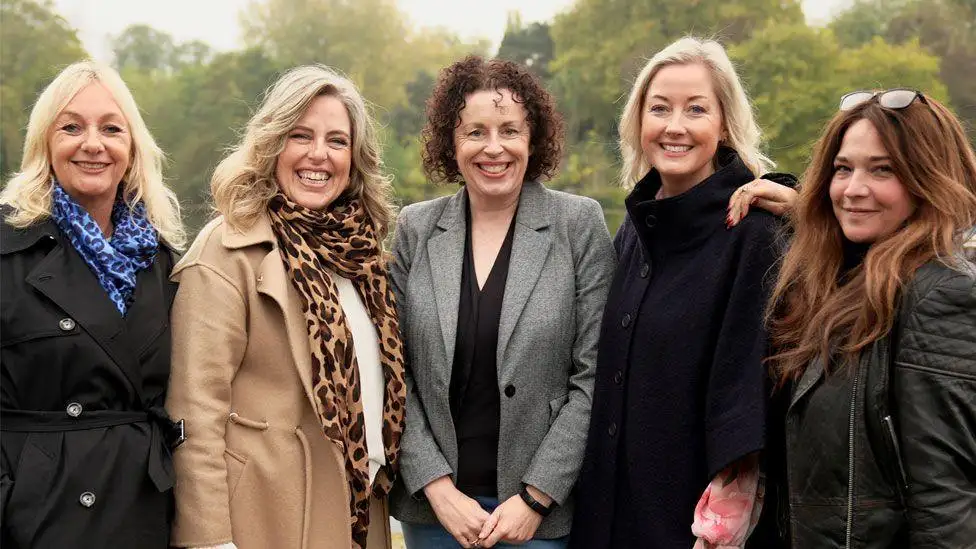
Metropolitan police officials have interviewed three women under caution between February 25 and March 5, 2026. These women, aged in their 40s, 50s, and 60s, are not the primary predators but the alleged gears in the machine. They are suspected of human trafficking and the aiding and abetting of rape.
| Metric | Data |
|---|---|
| Suspects Interviewed | 3 Women (Ages 40s, 50s, 60s) |
| Current Arrests | |
| Total Reported Victims | 154 |
| Primary Accusations | Rape, Sexual Exploitation, Trafficking |
| Sites of Offense | Harrods, The Ritz (Paris), London Apartments |
The scope of this reach-back into history is widening. Detectives believe more people—helpers, lookouts, and hirers—are still walking the streets.
"Victims remain the focus of the police operation… the investigation is examining claims spanning several decades and involving multiple locations." — Commander Angela Craggs, Lead Investigator.
The Ecosystem of Facilitation
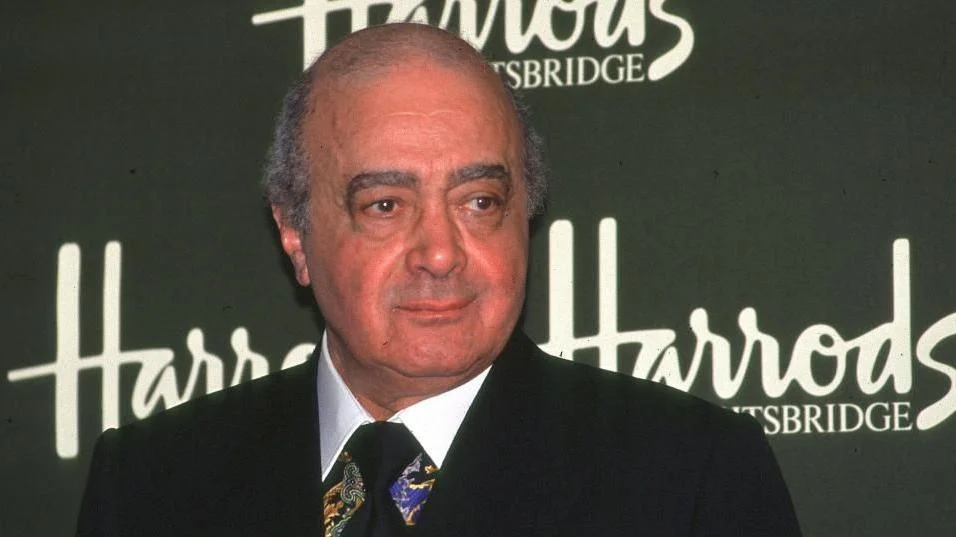
The Yard is currently sifting through the sludge of a forty-year empire. The suspicion is that Mohamed Al Fayed did not act in a vacuum; he required a staff of enablers to keep the assembly line of abuse moving. These three women represent the first formal attempt to hold the "selection process" accountable—a system where women were allegedly vetted for positions within the Fayed empire only to find themselves trapped in private quarters.
Read More: Ian Huntley, Soham Killer, Dies Aged 52 After Prison Attack
154 people have now voiced their trauma to the authorities, a number that continues to bloat as the silence of the Fayed era dissolves.
The crimes span from the glittering floors of Harrods to the gilded rooms of the Ritz in Paris.
Officers are tracking "several more suspects" who likely oiled the hinges of these locked doors.
The Institutional Lag
This late-stage justice carries a heavy scent of irony. While he lived, Fayed was a billionaire shadow that the law refused to touch. The Met is now reeling from the realization—or the admission—that they missed his offending while he was alive. 21 separate allegations were made to the police during his lifetime; none resulted in a cage for the man himself.

The current ' investigation ' is a post-mortem reckoning. Because the lead actor is dead, the state is now turning its eyes toward the supporting cast. It is an irregular, asymmetrical hunt for those who stayed quiet or, worse, helped the trafficking function.
Background: A Built Fortress
Mohamed Al Fayed died without a trial, leaving behind a legacy compared by many to the systemic rot seen in the cases of Jimmy Savile and Jeffrey Epstein. For decades, he sat atop a luxury throne, using his vast wealth to bury claims of sexual assault.
Read More: Recycling bin mistakes cost extra money in London from March 2024
The current probe, while wide, struggles with the physics of time. Many of the alleged crimes are decades old, and the evidence is often a mix of memory and old corporate records. The police are no longer just looking for a man; they are looking for the infrastructure of a billionaire's private appetites. No arrests have been made, and the "cautioned" interviews suggest a slow, plodding crawl toward a courtroom that Fayed himself managed to avoid forever.