


Ian Huntley, the man convicted of the 2002 murders of Holly Wells and Jessica Chapman, has died at age 52. Following a severe physical assault in a workshop at HMP Frankland on February 26, which resulted in significant brain trauma, Huntley was removed from life support this past Friday. His death marks the functional end of a case that has anchored British public anxiety for over two decades.
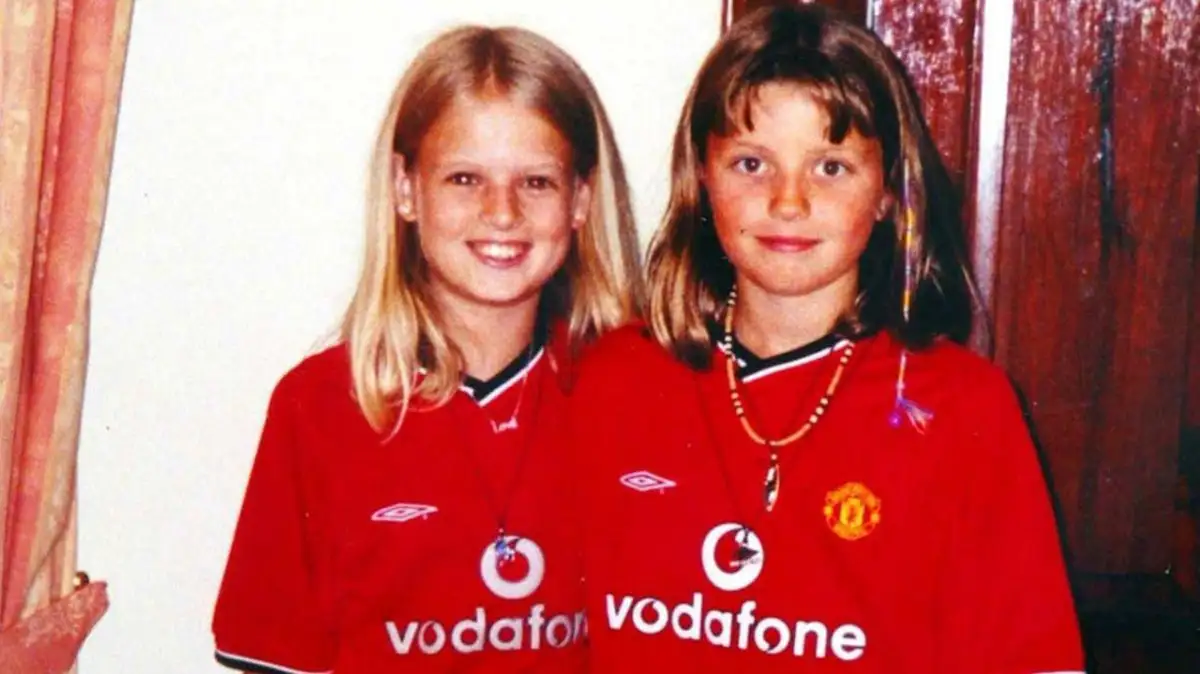
The perpetrator’s death removes the central figure of a prolonged forensic and carceral spectacle, shifting the narrative from active imprisonment to historical archiving.
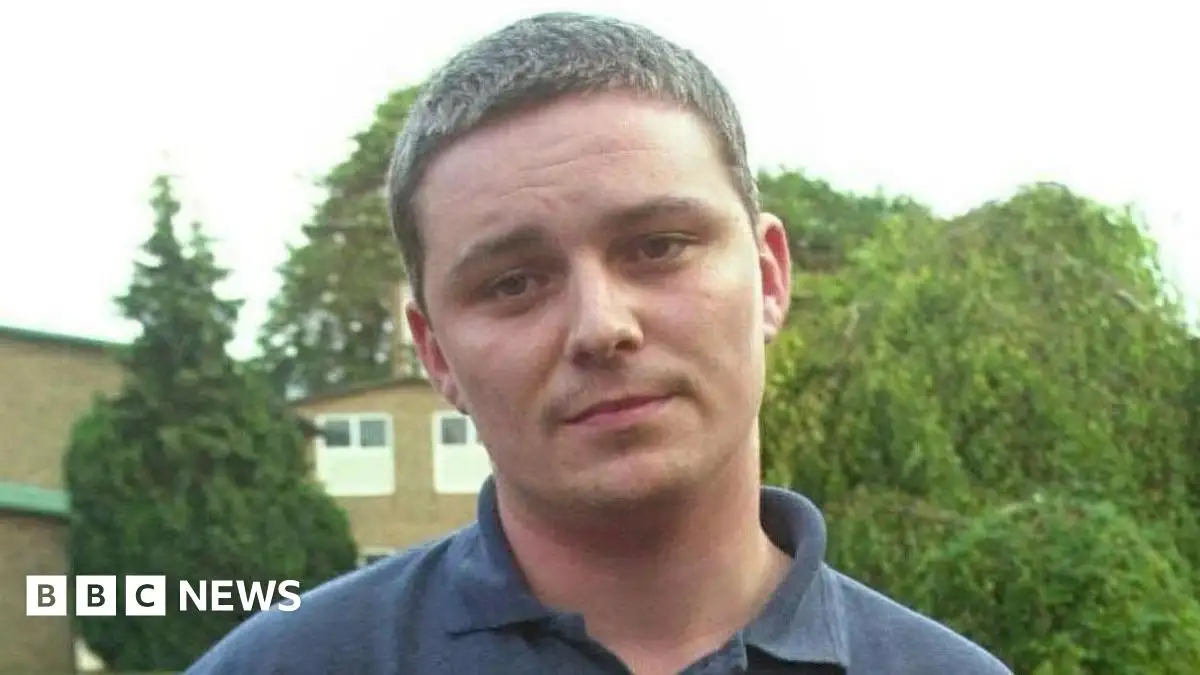
The Mechanism of a Legacy
The details of the event are restricted to the logistics of his final decline and the environment of his incarceration:
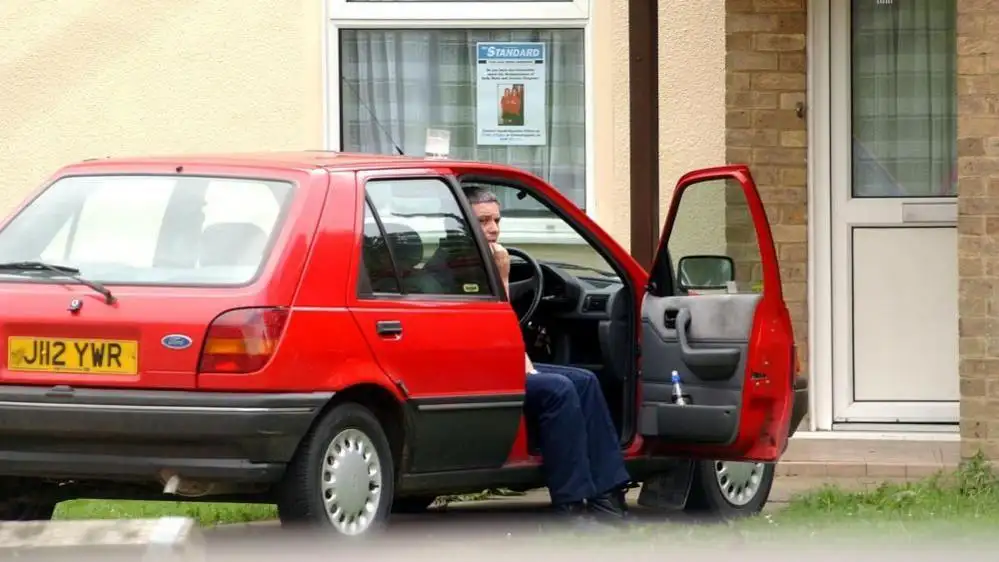
The Incident: An attack occurred on the morning of February 26 within the prison workshop, leading to immediate hospitalization.
The Outcome: Medical staff transitioned him to palliative care; life support was withdrawn on Friday, March 6.
The Prosecution: Huntley, a caretaker in Soham at the time, was convicted in 2003. His defense had unsuccessfully claimed the deaths were an accident—a narrative that clashed sharply with the forensic evidence presented by experts like Patricia Wiltshire, whose botanical analysis provided the state with its most rigid proofs.
| Event | Status | Context |
|---|---|---|
| Prison Assault | Feb 26, 2026 | Occurred in HMP Frankland workshop |
| Clinical Death | March 2026 | Life support removed following trauma |
| Legal Status | Closed | Subject was serving a life sentence |
Forensic Persistence and the Public Sphere
The ' Soham Murders ' acted as a permanent fixture in the landscape of British criminal justice. The case functioned as a nexus point for various societal tensions, from the reliability of forensic botany to the aggressive scrutiny of tabloid media.
Read More: Potts Point Dentist Shot Dead by Police After Attacking Two Women
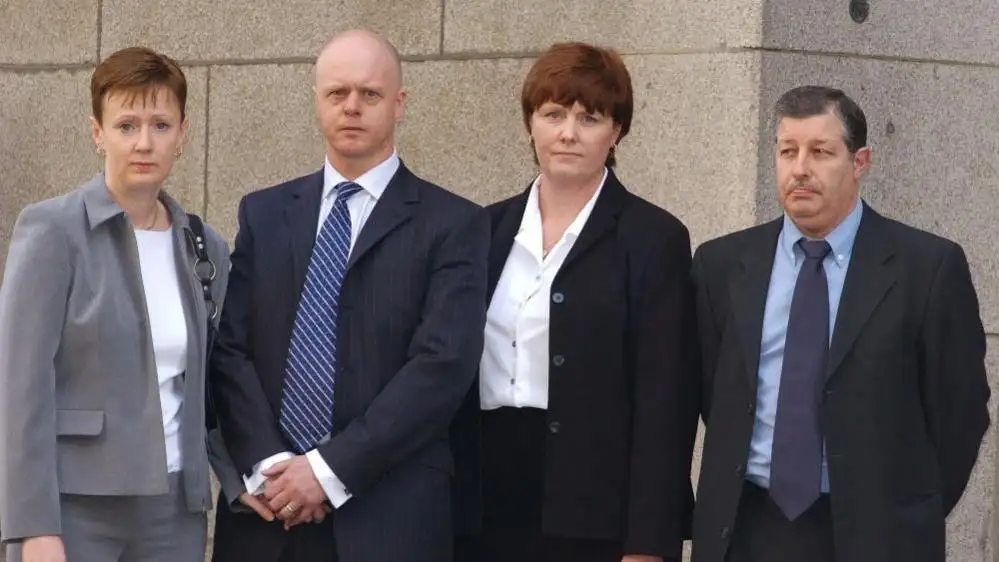
The figure of Ian Huntley was, for the duration of his confinement, a vessel for collective grief and, periodically, a point of litigation regarding prison safety. Throughout the years, the case became inseparable from the ' Bichard Inquiry ', which investigated systemic failures in the vetting and surveillance of individuals in positions of trust.
A Note on the Archival Void
The repetition of this narrative—the search for motive, the focus on the "twisted mind," the mechanical tallying of his prison grievances—reveals more about the media’s need for resolution than it does about the interiority of the subject. With Huntley dead, the cycle of the Soham reporting reaches a point of exhaustion. The facts remain fixed in court records, but the apparatus of outrage, once triggered by his presence in the penal system, now finds no living target.
Read More: Heating Oil Price Review Promised by Chancellor for UK Households
The ' Child Abduction ' frameworks and public inquiries born of the 2002 tragedy persist, disconnected from the man who catalyzed them. The story is no longer a matter of active monitoring, but a closed entry in a ledger of historical violence.