

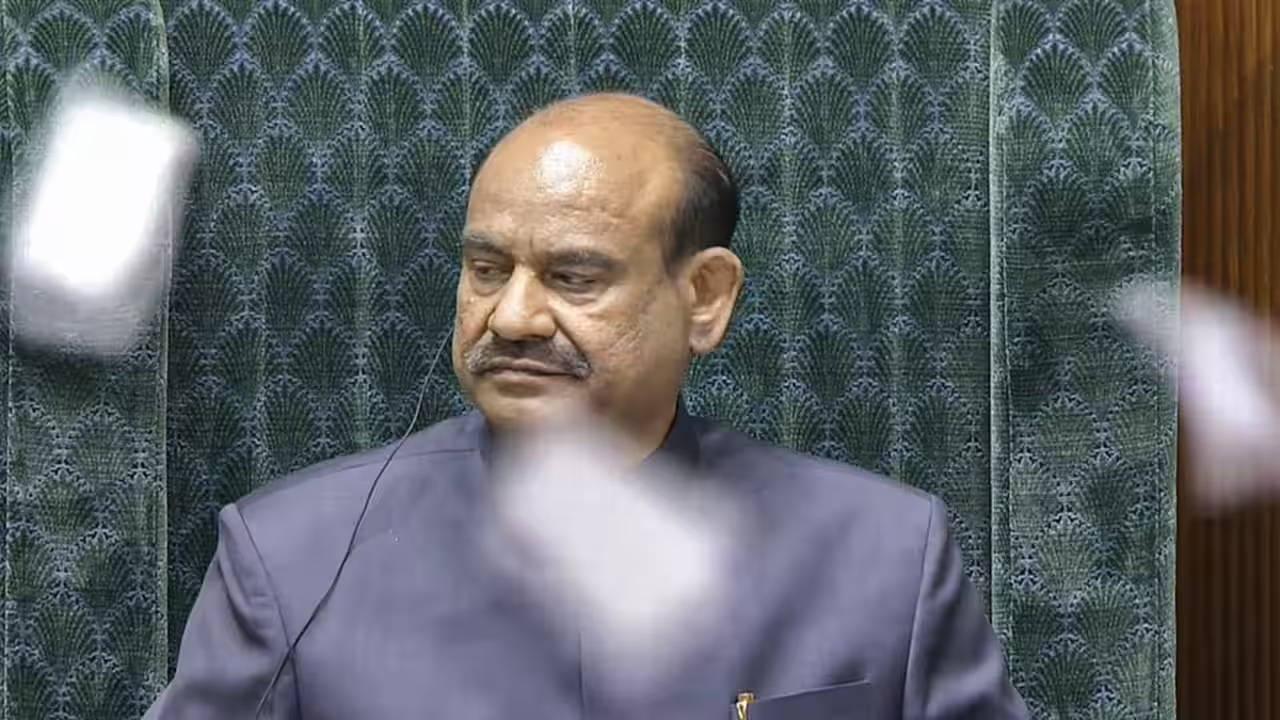
The Lok Sabha is currently weighing a resolution to strip Om Birla of his Speaker status. To push him out, the opposition needs an effective majority of 272 votes from the 543 seats. The current math makes the move unlikely to succeed: the NDA government holds 293 seats, while the combined opposition sits at 238.

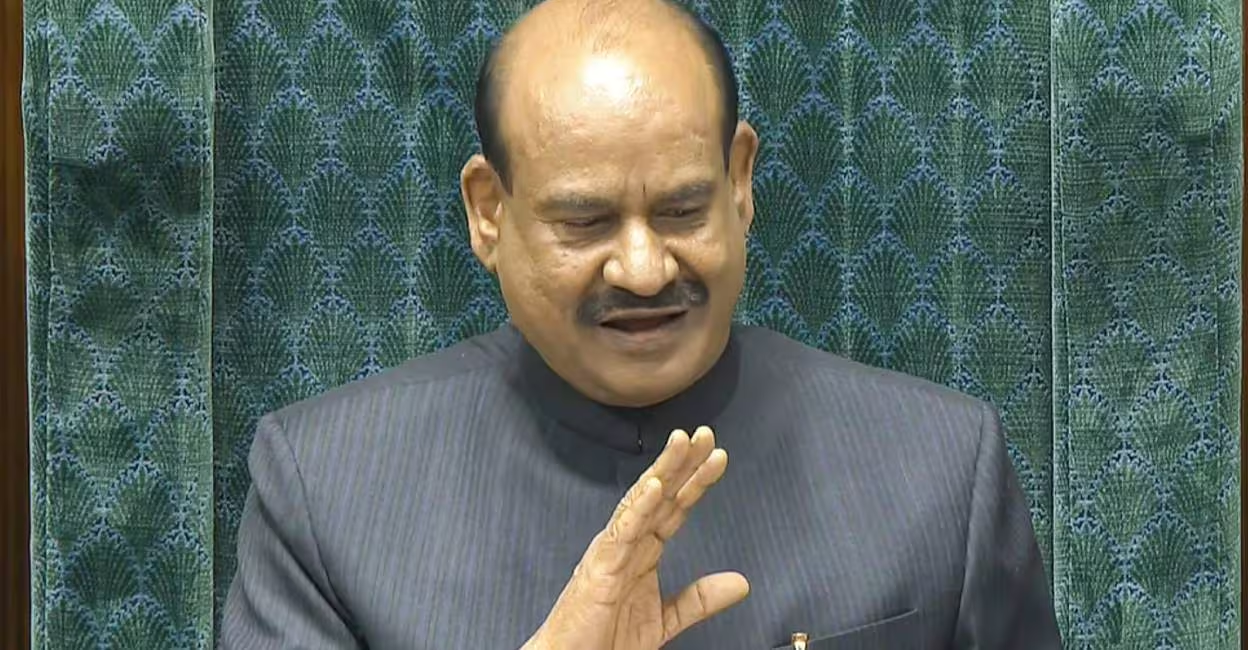
The parliamentary machine ground to a temporary halt to acknowledge the motion after more than 50 members stood up to back the notice. Jagdambika Pal occupied the chair during the opening of the debate, a choice that caused immediate friction among members regarding who has the right to preside when the Speaker's own job is the topic.
| Voting Block | Current Strength | Needed to Remove |
|---|---|---|
| NDA (Government) | 293 | — |
| Opposition | 238 | 272 |
| Total House | 543 | — |
The Friction in the Room
Gaurav Gogoi, leading the charge for the opposition, argued that the chair has become a megaphone for the government rather than a shield for the whole house. The claims focus on the Speaker's habit of cutting off microphones or ignoring certain leaders when they try to talk.
Read More: Kerala Recommends New State Election Commissioner Amid National Debate

Opposition leaders claim at least 118 members signed the initial notice for removal.
The primary grievance is the alleged silencing of Rahul Gandhi and other non-government voices during high-stakes talks.
Kiren Rijiju, the Parliamentary Affairs Minister, brushed off these claims as "baseless," stating the Speaker has been more than fair in giving time to the other side.
"The Speaker is not the voice of the government but the custodian of the rights of the entire House," Gogoi said during the opening of the debate.
Mechanics of the Removal
The debate turned messy early on when Asaduddin Owaisi questioned the legality of the presiding officer. Nishikant Dubey and Kiren Rijiju fought back, citing house rules and constitutional fine print to justify why the current setup was allowed to continue.

A notice for removal requires 14 days' warning before it can be talked about.
Once the motion is "admitted" (which happened when the 50 MPs stood up), the Speaker cannot sit in the chair while his fate is being decided.
Union Home Minister Amit Shah is expected to step into the argument before the final vote is cast.
Background: The Rarity of the Move
This is the first time in nearly 40 years that the House has formally tried to oust its presiding officer. The last few decades have seen many complaints about "leaning chairs," but few have reached the point of a formal resolution for removal.
The opposition invoked B.R. Ambedkar, mentioning "constitutional morality" as the reason for their move. The government, meanwhile, views the motion as a tactic to stall the Budget Session and distract from the legislative work on the table. The gap of 34 votes between the opposition's current strength and the 272-vote target suggests this event is more about the signal it sends than a change in leadership.
Read More: India Post Offices to Sell BSNL SIM Cards from September 17, 2025, in Rural Areas