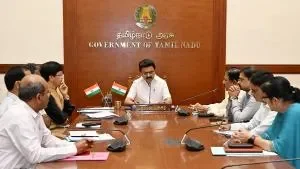
The Indian state is turning its dusty postal counters into the front lines of a delayed technological push. Under a new agreement signed September 17, 2025, the Department of Posts will open its 1.65 lakh post offices to sell BSNL SIM cards and mobile recharges. This move uses a centuries-old mail network to bypass the lack of private retail interest in the jagged, remote edges of the country.
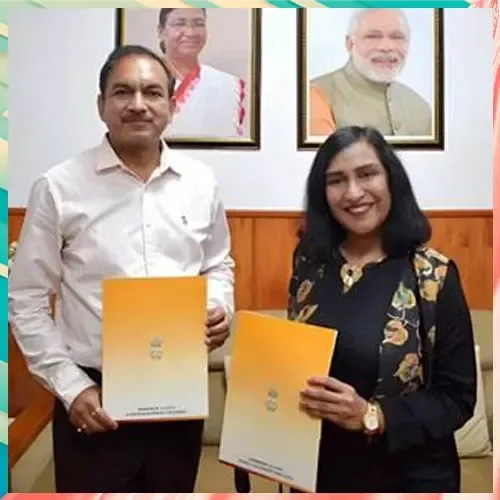
The partnership aims to turn post offices into 'last-mile' service points.
BSNL will handle the inventory and training, while postal staff manage the sales.
Target areas include the furthest rural pockets where private towers are thin or non-existent.
The Tech: Belated Signals and Indigenous Parts
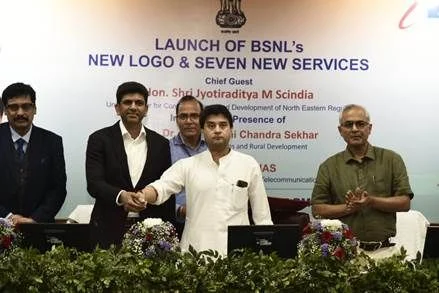
By September 27, 2025, the state carrier intends to switch on its pan-India 4G network. This infrastructure is built on "indigenous" technology—a point of pride for the administration but a source of friction for users who have waited years while private competitors moved to 5G.
| Feature | Deployment Status | Reach |
|---|---|---|
| Indigenous 4G | Launching Sept 27, 2025 | National |
| Bharat Fiber | Active | Rural Hubs / Kozhikode |
| VoLTE | Nationwide | Rural/Urban |
| Satellite Internet | Limited Rollout | Extreme Terrain |
"The network will eventually transition to 5G utilizing the same infrastructure, enabling a smooth technology upgrade without major overhauls," suggests the technical roadmap for the Tejas-supported hardware.
Rural Reality: Fiber in the Soil
In places like Kozhikode, the state is nudging local entrepreneurs to use Bharat Fiber. The pitch is simple: stop moving to the city. By providing high-speed lines to villages, the government hopes to keep economic activity local. This includes:
Read More: T-Mobile Offers Up to $800 to Switch from Other Phone Companies
Stable video links for remote client meetings.
Fast uploads for digital marketing of rural products.
Satellite internet towers for "shadow zones" where wires cannot reach and traditional towers fail.
Investigative Context: The Survival Strategy
The rush to update BSNL is less about cutting-edge competition and more about sovereignty and survival. Private giants like Jio and Airtel have long harvested the profitable urban centers, leaving the state to subsidize the silence of the countryside.
By tethering SIM sales to the Post Office, the government is attempting to solve its distribution problem without building new stores. It is an irregular, asymmetrical solution: using 19th-century logistics to deliver 21st-century data. The success of this hinges not on the technology itself, but on whether a postal clerk in a remote village can effectively double as a tech support agent.
Background: BSNL has historically struggled with aging equipment and bureaucratic delays, often lagging five to seven years behind private sector standards. The current shift toward indigenous 4G is a mandate to decouple Indian communications from foreign vendors.
Read More: India IVF Costs And Social Barriers Limit Access In April 2026