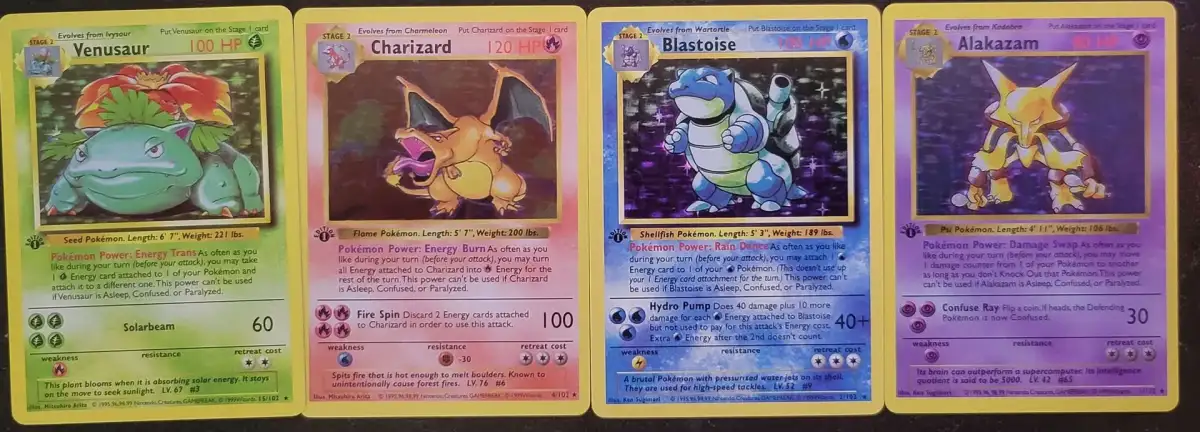
In February 2026, the trading card market reached a fever pitch when Logan Paul auctioned a rare 1998 Pikachu Illustrator card for a record-breaking $16.5 million. The buyer, A.J. Scaramucci, represents a growing demographic of high-net-worth individuals moving capital from volatile cryptocurrency markets into tangible, high-end alternative assets.

The transition of children's playing cards into investment-grade vehicles has disrupted traditional collecting, driving retail prices to extremes while creating an environment where automated software allows resellers to strip store shelves of inventory before genuine hobbyists can complete a purchase.

Market Mechanics and Speculative Behavior
The shift is characterized by a move away from personal hobbyism toward cold, algorithmic acquisition. Experts from institutions like Stanley Gibbons Baldwin's indicate that the influx of "crypto wealth" has fundamentally altered the valuation of these items.

Capital Migration: Many high-end buyers are utilizing proceeds from digital currency to anchor their portfolios in vintage card stock.
The Scalper Effect: Automated systems frequently drain online retailers of common and rare inventory within seconds of restocks, creating artificial scarcity.
Outperforming Markets: In several instances, the appreciation of select cards has outpaced mainstream equity indices, including large-cap technology stocks.
The ‘Slop Tokenization’ Controversy
The $16.5 million sale was not without friction. In 2022, Logan Paul had attempted to "tokenize" the card via the Liquid Marketplace, allowing individuals to purchase fractional shares. When the platform shuttered, investors were left unable to access their funds, sparking legal concerns and widespread accusations of "slop tokenization"—a practice where digital tokens claim to represent ownership of a physical asset without providing genuine legal recourse to the underlying property.
Read More: Nvidia Stops Reporting Gaming Sales After Record $58.3B Profit

| Event | Year | Impact |
|---|---|---|
| Initial Purchase | 2021 | Logan Paul acquires card for $5.3M |
| Fractionalization | 2022 | Platform offers shares; later collapses |
| Record Sale | 2026 | Sold for $16.5M; $8M estimated profit |
Historical Context
The current environment is a marked departure from the late 1990s, when the cards were distributed as mass-market consumer products. While the hobby saw waning interest in the 2000s, the recent intersection of influencer marketing, blockchain speculation, and niche asset hunting has transformed them into a battleground for modern capital. This has alienated long-term collectors, who now find themselves priced out of a hobby that has become a high-stakes arena for financial arbitrage.
Read More: New York Pokemon Card Shops Ask for ID to Buy Cards